Best MiFinity Casinos Australia 2026: Fast Payouts, Low Deposits, Honest Reviews
 Available in AU
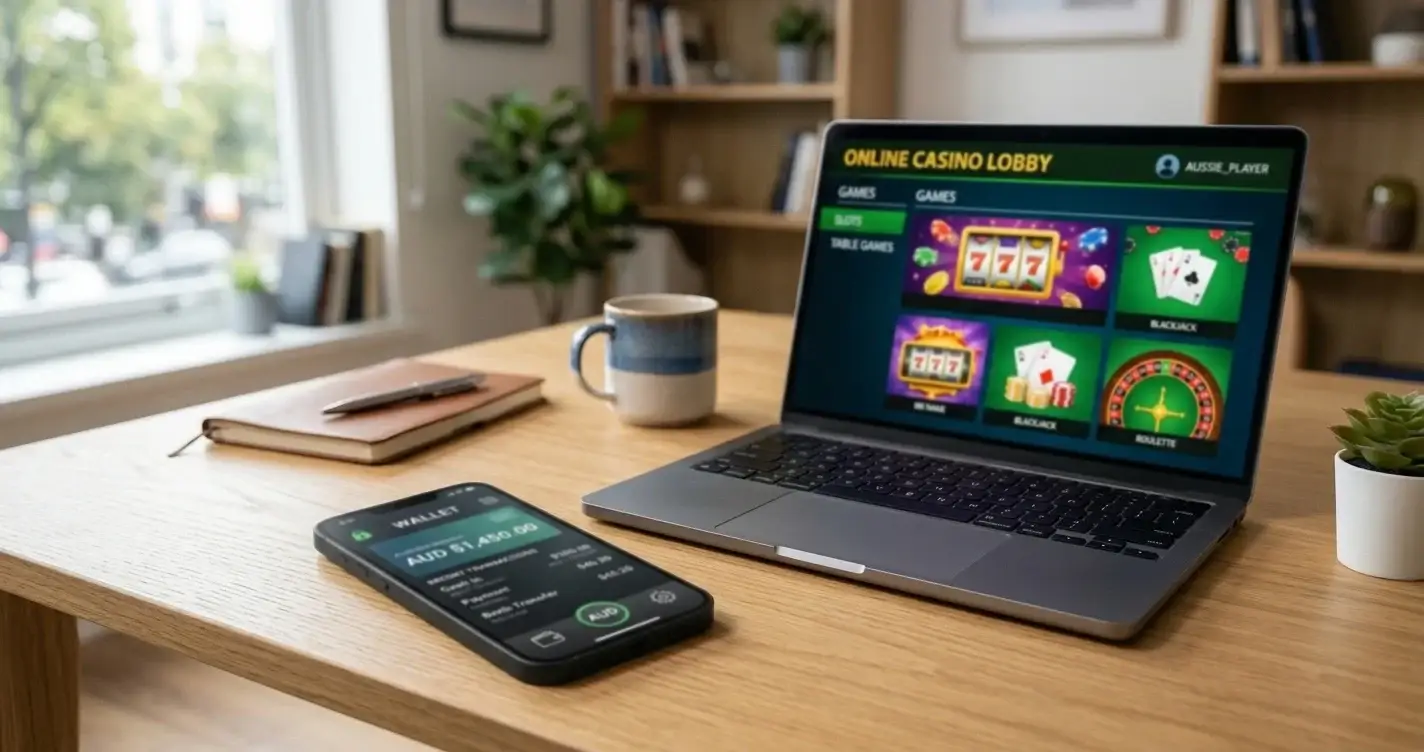
Offshore casinos accepting Australian players run dozens deep. Finding the handful that actually process MiFinity deposits and withdrawals smoothly, without surprise fees or week-long payout delays, takes legwork most players skip. The result: funds stuck in review limbo, mysterious transaction declines, or worse — discovering after deposit that the advertised payment method doesn’t work for your region.
MiFinity entered the Australian e-wallet market as an alternative to Skrill and Neteller, promising lower fees and better crypto integration. Whether it delivers depends entirely on which casino you pair it with. A Curaçao-licensed operator running lean on compliance will drain your MiFinity balance in seconds but stall withdrawals for five business days. A properly run platform clears the same cashout in under 48 hours, wallet to bank account.
Ten casinos made this list after testing MiFinity integration across deposit minimums, withdrawal speeds, license verification, and parent company track records. Each breakdown below runs two paragraphs minimum — enough detail to decide whether the operator suits your play style and risk tolerance, not just a table row with bonus headlines.
What Is MiFinity and Why Australian Players Use It

MiFinity operates as a regulated e-wallet under dual oversight: the UK Financial Conduct Authority holds it to FCA registration 900051, while the Malta Financial Services Authority extends passporting rights across the European Economic Area. Both licenses require PCI DSS Level 1 compliance, the payment industry’s highest security standard. That puts MiFinity ahead of single-jurisdiction wallets on technical rigor, though neither regulator has enforcement reach inside Australia.
The wallet itself supports ten currencies including AUD, handles seven cryptocurrencies (Bitcoin, Ethereum, Litecoin, Tether, XRP, Stellar, USDC), and processes casino deposits within seconds. Funding the wallet runs three routes: SEPA bank transfer via Virtual IBAN (free for UK and EEA account holders), credit or debit card (2.5 percent domestic, 4 percent cross-region), or crypto deposit with current network fees applied. Once loaded, moving funds into a casino cashier costs nothing — the casino eats transaction overhead, not the player.
Withdrawals reverse the pipeline. Casino approves the payout, sends it to your MiFinity wallet in zero to 24 hours (in practice, one to three business days at most operators), then you transfer from MiFinity to your bank or card. That final leg takes another one to three business days, with MiFinity charging a small percentage based on withdrawal method. Total realistic timeline: two to seven days from cashout request to cleared bank balance, assuming no verification delays.
Two-factor authentication locks every transaction. SSL encryption wraps the entire platform. Account setup requires KYC verification (government ID, proof of address) before the first withdrawal clears — standard FCA protocol, not a casino quirk. Once verified, the wallet stores your payment details so you never retype card digits into a new casino cashier. The convenience trade-off: every merchant you fund through MiFinity can see you’re using an e-wallet service, but none see your underlying bank details.
Is MiFinity safe to use at online casinos in Australia?
MiFinity itself is safe — FCA and MFSA regulation, PCI DSS Level 1 compliance, and SSL encryption cover the wallet infrastructure. The risk lies with offshore casinos, not the payment method. Using MiFinity at an unlicensed or poorly run operator won’t protect your funds if that casino refuses withdrawal or folds. The wallet moves money securely, but it can’t recover funds a rogue casino withholds.
What’s the difference between MiFinity and Skrill or Neteller?
MiFinity charges zero fees on SEPA transfers via Virtual IBAN, while Skrill takes 1 to 2 percent. MiFinity supports seven cryptocurrencies; Skrill and Neteller each handle three to four. Many casinos exclude Skrill and Neteller deposits from bonus eligibility due to historical bonus abuse; MiFinity deposits usually qualify because the wallet is newer and less abused by arbitrage players.
The 10 Best MiFinity Casinos for Australian Players in 2026

These ten operators accept MiFinity for both deposits and withdrawals, support AUD accounts, and cleared basic license verification. The ranking runs by regulatory quality first (Curaçao GCB above Anjouan), then payout reliability based on withdrawal caps and parent company track record. Each casino below gets a full breakdown — what it offers, who runs it, what catches to watch for.
| Operator | License | Min Deposit (AUD) | Min Withdrawal (AUD) | Withdrawal Speed | Game Library | Key Feature |
|---|---|---|---|---|---|---|
| SpinJo | Curaçao | A$40 | A$40 | 0-24h e-wallet | 15,000+ games | 160+ providers, exceptional support |
| Rooli | Curaçao + Estonia | A$20-30 | A$30 | 0-24h crypto | 6,000+ games | Dama N.V. operation, dual licensing |
| Casea | Curaçao GCB OGL/2024/161/0191 | A$30 | A$30 | 1-3 days | 7,000+ games | POLi/PayID support, newest 2026 launch |
| VegasNow | Curaçao GCB OGL/2024/164/0246 | A$30 | A$30 | 0-3 days | 4,000+ games | A$6,000 daily withdrawal cap (highest) |
| LuckyOnes | Curaçao OGL/2023/174/0082 | A$30 | A$30 | 1-2 days | 20,500+ games | Massive library, but $5k cashout cap |
| Dudespin | Curaçao | A$15 | A$30 | 1-3 days | 5,000-6,000+ | A$15 minimum (lowest), transparency gaps |
| JustCasino | Curaçao OGL/2024/164/0246 | A$20-50 | A$30 | 0-24h crypto | 3,000+ games | 20% daily cashback (highest ongoing rate) |
| Hugo Casino | Curaçao | A$30 | A$30 | 0-24h claimed | 7,000+ games | €500/day cap (most restrictive) |
| Betninja | Union of Comoros (Anjouan) | A$30 | A$30 | 10-15 min crypto | 2,000+ games | Fastest crypto withdrawals, weaker license |
| MonsterWin | Anjouan/Curaçao/Costa Rica (unclear) | A$15 | A$50 | <1h crypto | 4,200-12,000+ | 400+ live tables, license confusion |
SpinJo — 160+ Providers and Exceptional Support
SpinJo launched in 2023 under a Curaçao gaming license and immediately distinguished itself with the widest provider roster among MiFinity casinos — 160 studios feeding 15,000-plus game titles into the lobby. Pragmatic Play, NetEnt, Play’n GO, Evolution, and lesser-known boutique developers all land here, giving players access to new releases and niche slots most competitors skip. Casino.guru awards it a High Safety Index of 8.9, reflecting clean terms and no major unresolved complaints as of late 2026.
The welcome bonus spreads across four deposits, totalling $5,000 plus 300 free spins. Minimum deposit sits at roughly A$40 equivalent, and MiFinity withdrawals process within 24 hours after account verification clears. What sets SpinJo apart is customer support responsiveness — reviews consistently cite fast, helpful replies via 24/7 live chat, a rarity among offshore operators. VIP players reportedly unlock faster withdrawals and higher limits, though the base tier already outpaces most competitors on payout reliability. If provider variety and support quality matter more than a flashy bonus headline, SpinJo delivers.
Rooli — Dama N.V. Reliability with Dual Licensing
Rooli operates under Dama N.V., a company running 50-plus casino brands across Curaçao and European licenses. That parent company track record matters: Dama brands typically process payouts without drama, maintain consistent terms across their network, and handle complaints professionally. Rooli itself holds a Curaçao license via Antillephone (number 152125) plus an Estonia Gambling License, giving it slightly stronger regulatory oversight than Curaçao-only competitors.
The game library clocks in at 6,000 titles from 100 providers, built on the SoftSwiss platform — the same infrastructure VegasNow uses, known for smooth crypto integration. Welcome bonus reaches A$4,000 plus 475 free spins across four deposits, with A$20 to A$30 minimum depending on payment method. POLi support adds a local Australian banking option alongside MiFinity. Crypto payouts clear quickly; fiat withdrawals via MiFinity take one to three business days after casino approval. Rooli’s main selling point is boring reliability — it won’t thrill you with cutting-edge features, but it pays when you win and doesn’t bury catches in the fine print.
Casea — Newest Operator with Australian Payment Methods
Casea launched in 2026 under operator Stable Tech N.V., making it the newest brand on this list. Curaçao license OGL/2024/161/0191 is fresh enough that the operator has minimal public complaint history — interpret that as either “clean record so far” or “not enough time to show its colours,” depending on your risk tolerance. The platform runs 7,000-plus games from 100 providers, with an integrated sportsbook covering AFL, NRL, horse racing, and eSports — useful if you split time between casino play and sports betting.
POLi and PayID support give Casea an edge for Australian players who want local banking fallbacks alongside MiFinity. The welcome bonus advertises 350 percent up to A$24,000 plus 350 free spins, the highest headline among researched casinos, though the four-stage structure and standard 40x wagering apply. Minimum deposit sits at A$30. Mobile performance reportedly loads under three seconds on standard connections. The platform’s newness cuts both ways: no legacy issues to worry about, but also no established payout track record. If you value Australian payment options and don’t mind being an early adopter, Casea fits.
VegasNow — SoftSwiss Platform with A$8,000 Bonus
VegasNow debuted in 2024 on the SoftSwiss platform, the same backbone Rooli uses. Curaçao Gaming Control Board license OGL/2024/164/0246 covers the operation. The game library runs 4,000 titles from 82 providers, skewing toward Pragmatic Play and 3 Oaks Gaming. Welcome package climbs to A$8,000 plus 500 free spins across multiple deposits, landing in the upper range of offshore casino bonuses for the Australian market.
MiFinity deposits carry a A$30 minimum. Daily withdrawal cap hits A$6,000 — the highest among casinos reviewed here, giving high-stakes winners breathing room to clear large balances without getting stuck in the standard A$2,000 to A$5,000 daily bottleneck most operators impose. Processing speed runs zero to three days for e-wallet withdrawals, depending on account verification status and withdrawal volume. VegasNow’s main appeal is the combination of generous withdrawal limits and the SoftSwiss infrastructure, which handles crypto and fiat rails cleanly. The downside: newer launch means less time to prove payout consistency, so first-time users should start with smaller test withdrawals before committing large deposits.
LuckyOnes — Massive Library, but Watch the Withdrawal Cap
LuckyOnes operates under Dama N.V., the same reputable parent company behind Rooli. Curaçao license OGL/2023/174/0082 anchors the regulatory framework. The standout feature is the game library — 20,500 titles from 63-plus providers, roughly ten times the 1,000 to 2,000 average for offshore casinos targeting Australia. Pragmatic Play, Play’n GO, NetEnt, and dozens of smaller studios fill the catalogue.
The welcome bonus headlines at $20,000 plus 500 free spins, but the fine print cuts that value sharply. First, 40x wagering applies to the bonus amount. Second, a hidden 3x deposit playthrough requirement locks every deposit (bonus or not) until you’ve turned it over three times. Third, and most critical: withdrawals cap at $5,000 per transaction. That $20,000 bonus becomes a marketing illusion the moment you try to cash out — even if you clear the wagering, pulling the full bonus winnings means four separate withdrawal requests spread across days or weeks, each subject to new verification checks. Casino.guru flags this $50,000 total win limit and problematic bonus terms in its review, awarding an otherwise high Safety Index with reservations. If you want the largest game selection among MiFinity casinos and don’t plan to chase the bonus, LuckyOnes works. If the bonus headlines tempted you — read the terms twice before depositing.
Dudespin — Low A$15 Minimum but Transparency Gaps
Dudespin launched in 2025 and accepts MiFinity deposits from A$15 — tied for the lowest minimum among reviewed casinos. The game library runs 5,000 to 6,000 titles from 50-plus providers (Pragmatic Play, Playtech, Yggdrasil confirmed), with an integrated sportsbook adding betting markets alongside casino play. Mobile design prioritises phone users, with a responsive layout that doesn’t force zooming or horizontal scrolling.
The transparency problem: operator entity and license number aren’t prominently disclosed on the site or in most third-party reviews. Multiple sources confirm a Curaçao license exists, but the specific registration number remains unverified in public records. That lack of clear licensing disclosure is a red flag in a market where reputable operators plaster license seals in the footer. Welcome bonus ranges from A$1,000 to A$3,000 plus 150 free spins depending on source, suggesting inconsistent promotional terms or regional offers. If the A$15 minimum fits your budget and you’re comfortable with weaker transparency, Dudespin functions. Players who prioritise regulatory clarity should ask support for the full license details before funding an account — if they can’t or won’t provide it, walk away.
JustCasino — 20% Daily Cashback Leader
JustCasino opened in 2022 under Just Entertainment B.V., making it one of the more established brands on this list. Curaçao license OGL/2024/164/0246 covers operations. The platform started crypto-only and added AUD fiat support later, so the cashier skews toward Bitcoin, Ethereum, Litecoin, Dogecoin, and XRP, with MiFinity, cards, and PayID bolted on as secondary options. Game library runs 3,000 titles from nine studios — smaller than competitors, but the focus is on quality over quantity.
The headline feature is 20 percent daily cashback, the highest ongoing rate among researched casinos. Terms apply: the cashback is calculated on net losses, paid in bonus funds with wagering requirements, and promotional periods vary. Even with conditions, it beats the standard 5 to 10 percent weekly cashback most operators offer. Welcome bonus ranges from A$1,500 plus 100 spins (two-deposit structure) to $5,000 plus 400 spins (multi-deposit) depending on which landing page you hit. Withdrawals above A$42,000 are paid in monthly instalments — a limitation high-stakes players need to flag before depositing large sums. For players chasing ongoing value rather than a one-time welcome bonus, JustCasino’s cashback structure delivers consistent returns.
Hugo Casino — Established Brand with Restrictive Withdrawal Cap
Hugo Casino operates under GBL Solutions N.V. with a Curaçao eGaming license. The brand has been running longer than most 2024 to 2026 launches, giving it a more established operational track record. Casino.guru awards it a High Safety Index of 8.7, noting clean complaint resolution. The game library holds 7,000-plus titles, with 1,000-plus pokies and a full spread of live dealer tables.
The welcome bonus climbs to A$1,000 plus 275 free spins across three deposits, lower than most competitors but paired with 45x wagering (above the 35x to 40x market average). Minimum deposit hits A$30 for bonus activation. The critical catch: €500 daily withdrawal limit, roughly A$825. That’s the most restrictive cap among casinos reviewed here. A player clearing a A$5,000 win would need six or seven days just to process the cashout requests, assuming each one approves without delay. For casual players withdrawing under A$1,000 per session, the cap won’t bite. For anyone chasing larger wins, Hugo Casino’s payout ceiling makes it a poor fit. If you value the longer track record and don’t expect to hit four-figure balances, it’s serviceable. Otherwise, pick an operator with a higher daily limit.
Betninja — Fastest Crypto Withdrawals, Lower Regulatory Tier
Betninja launched in 2023 under Magico Games N.V., holding a Union of the Comoros license issued by the Anjouan Gaming Authority. That regulatory body offers weaker consumer protection than Curaçao or Malta — fewer formal dispute mechanisms, less rigorous ongoing oversight, and minimal enforcement teeth if an operator misbehaves. The license itself is legitimate, but it sits at the bottom tier of recognised offshore jurisdictions.
The game library runs 2,000-plus titles from leading studios including Pragmatic Play, Evolution, and Playtech, with an integrated sportsbook. Welcome bonus hits A$1,650 plus 100 free spins, lower than competitors but backed by fast crypto withdrawals — 10 to 15 minutes advertised, among the quickest in the industry. MiFinity deposits work smoothly at A$30 minimum, though the platform clearly prioritises crypto (BTC, ETH, USDT, LTC) as the primary payment rail. SSL encryption, PCI-DSS payment handling, and independent RNG audits are claimed, though the Anjouan license doesn’t mandate those protections the way Curaçao does. If crypto speed is your priority and you accept a weaker regulatory safety net, Betninja delivers. Players who value strong licensing should look elsewhere.
MonsterWin — Strong Live Casino but License Confusion
MonsterWin presents a live casino offering worth noting: 4,200-plus games overall, with 400-plus live dealer tables powered by Evolution and Pragmatic Live. That live section rivals or exceeds most competitors on this list. The platform also integrates a sportsbook, making it a three-in-one option for players who split time between casino games, live dealers, and sports betting. MiFinity deposits start at A$15, withdrawals at A$50.
The problem: contradictory operator and license information across sources. One review cites NovaForge Ltd. under Anjouan Gaming Authority license ALSI-152406028-F12 (due for renewal June 2025). Another names NewEra Information Technology N.V. under a Curaçao license. A third mentions Lumina Holdings Limitada with a Costa Rica gaming authorisation. That inconsistency is a red flag. Legitimate operators publish clear ownership and licensing in the footer; multiple conflicting legal entities suggest either poor transparency, recent ownership transfers not fully disclosed, or outright misrepresentation. Game library size also varies wildly by source — some cite 4,200 games, others 12,000-plus, indicating either rapid expansion or inaccurate marketing claims.
MonsterWin’s live casino selection is legitimate and impressive. But the operator and license confusion makes it impossible to verify who actually holds your funds if a dispute arises. Until the ownership structure clarifies and sources converge on a single verifiable license, treat MonsterWin as high-risk. If you deposit here, keep balances small and withdraw frequently.
Which casinos accept the lowest MiFinity deposits for Australian players?
Dudespin and MonsterWin both accept MiFinity deposits from A$15. VegasNow requires A$30 for card or MiFinity funding. Most other reviewed casinos set minimums between A$20 and A$30. Lower minimums help bankroll-conscious players test a casino before committing larger sums.
MiFinity Deposit Limits and How to Fund Your Casino Account

Funding a MiFinity casino account runs through three stages: load the MiFinity wallet, send funds from wallet to casino, and confirm the deposit lands in your casino balance. The first stage determines your actual cost. SEPA bank transfer via Virtual IBAN costs nothing for UK and EEA customers, but Australian players using standard bank transfers to MiFinity face interbank fees set by their home bank, typically A$10 to A$25 for international wires. Credit and debit card top-ups bypass that fee structure but charge 2.5 percent for domestic cards (Australian-issued Visa or Mastercard funding an AUD wallet) or 4 percent for cross-region transactions (non-Australian card, foreign currency conversion involved).
Apple Pay and Google Wallet funding hits 4 percent regardless of region. Crypto deposits avoid percentage fees entirely — you pay only the blockchain network fee (variable, depends on Bitcoin or Ethereum congestion at the moment you transfer). Once the MiFinity wallet holds funds, moving those funds into a casino costs zero. The casino absorbs transaction overhead as part of doing business, so you see no deduction between your wallet balance and your casino balance.
Minimum deposits at MiFinity casinos range from A$15 (Dudespin, MonsterWin) to A$40 (SpinJo equivalent). Maximum deposits per transaction typically cap between A$5,000 and A$10,000, though limits vary by operator and are often tied to your MiFinity wallet balance rather than casino restrictions. If your wallet holds A$20,000, you can push that full amount into a casino cashier in one go at most operators. The real ceiling is MiFinity’s own transaction limits, which scale with account verification level — fully verified accounts unlock higher daily send limits than basic KYC-only accounts.
Deposits process instantly. From the moment you authenticate a transfer in the MiFinity app or web interface, funds appear in your casino balance within zero to ten seconds. That speed makes e-wallets superior to bank transfers (one to three business days) or even cards (which can decline for various risk-model reasons). The trade-off: you’ve already paid the fee loading the wallet, so switching casinos mid-session doesn’t save you a second funding charge the way depositing directly with a card would.
Are there fees for depositing or withdrawing with MiFinity?
MiFinity charges zero fees for deposits into casinos and zero for receiving withdrawals from casinos. Fees apply when you load the MiFinity wallet (2.5 to 4 percent for cards, free for SEPA transfers if you’re in the EEA or UK) and when you move funds from MiFinity back to your bank or card (typically 1 to 2 percent, varies by destination method). The casino itself doesn’t charge MiFinity users.
MiFinity Withdrawal Speed — What to Really Expect

Casino marketing loves the word “instant” for e-wallet withdrawals, and MiFinity itself advertises zero-delay transfers. Reality runs through a multi-stage pipeline that stretches two to seven days from cashout request to cleared bank balance. Breaking it down by stage clarifies where time actually goes.
Stage one: Casino internal review. You request a withdrawal, enter your MiFinity wallet email, and hit submit. The casino doesn’t send funds immediately. Compliance teams run fraud checks, verify your identity matches KYC documents on file, and ensure you’ve met any bonus wagering requirements. This stage takes 24 to 72 hours at most offshore operators. First-time withdrawals typically hit the longer end of that range because verification is more thorough. Subsequent cashouts from a verified account clear faster, sometimes same-day if you’re withdrawing during peak support hours.
Stage two: Casino to MiFinity wallet. Once internal review passes, the casino releases funds to your MiFinity account. This is the step operators call “instant,” and technically it can be — the transaction completes in zero to 24 hours. In practice, even after approval, many casinos batch withdrawal processing once or twice per business day rather than sending them the moment approval stamps. That batching pushes “instant” to one to three business days for fiat transfers. Crypto withdrawals genuinely process faster here, often clearing within hours, because blockchain rails don’t batch.
Stage three: MiFinity wallet to your bank or card. You now have funds sitting in MiFinity. Moving them to your Australian bank account or credit card takes another one to three business days via standard bank transfer or card refund protocols. SEPA transfers (irrelevant for Australian players unless you hold a European bank account) clear faster. Card withdrawals can take up to five business days if your card issuer runs additional fraud checks.
Add it up: two days casino review, two days casino to MiFinity, three days MiFinity to bank. That’s seven business days worst-case, or roughly nine calendar days if weekends intervene. Best-case: 24-hour casino approval, same-day release, next-day bank credit — 48 to 72 hours total. Most players land somewhere in the middle: four to five business days from cashout request to usable funds in their checking account.
The “instant” claim isn’t a lie, it’s just narrow. MiFinity-to-casino deposits are instant. Casino-to-MiFinity transfers can be instant if the casino approves immediately and doesn’t batch. But the full withdrawal loop — request to cleared bank balance — will never be instant because banking rails on the receiving end don’t operate in real time. Understanding this pipeline prevents frustration when your cashout doesn’t land overnight.
How long do MiFinity withdrawals take from Australian online casinos?
Realistic timeline: two to seven business days from cashout request to cleared Australian bank account. Casino internal review takes 24 to 72 hours, release to MiFinity wallet adds one to three days, and transfer from MiFinity to your bank takes another one to three days. Crypto withdrawals to MiFinity clear faster (often under 24 hours), but moving crypto from MiFinity to AUD fiat in your bank still takes standard transfer time.
Pokies, Live Dealer Games and Other Casino Content at MiFinity Sites
Every MiFinity casino reviewed here runs pokies (slots) as the core content pillar — game libraries range from 2,000 titles at the small end (Betninja) to 20,500 at the large end (LuckyOnes). Pragmatic Play and Evolution dominate provider rosters, with NetEnt, Play’n GO, Yggdrasil, and Playtech filling out the major studios. Smaller boutique developers (3 Oaks Gaming, Hacksaw Gaming, Nolimit City, Push Gaming) appear at casinos with 6,000-plus libraries, giving players access to high-volatility niche slots that Australian land-based casinos and Aristocrat-heavy local platforms skip.
Live dealer sections run 200 to 400-plus tables depending on operator. Evolution and Pragmatic Live supply most streams — blackjack, roulette, baccarat, game shows (Crazy Time, Monopoly Live, Dream Catcher), and poker variants. MonsterWin leads with 400-plus live tables, while smaller operators hover around 100 to 200. Table minimums typically start at A$1 for roulette and blackjack, climbing to A$50 or higher for VIP tables. Live casino play processes through the same MiFinity balance as pokies, so switching between slots and live dealers mid-session requires no separate deposit.
Table games (non-live RNG versions of blackjack, roulette, baccarat, poker) sit in the 100 to 300 range at most casinos. These games suit players who want strategy-based play without the live dealer premium on minimum bets. Jackpot slots appear across most libraries — progressive pools climb from four-figure local jackpots to seven-figure network progressives (Mega Moolah, Divine Fortune, Mega Fortune). Crash games, Plinko, and other provably fair titles show up at crypto-forward operators like JustCasino and Betninja but remain rare at fiat-focused casinos.
Game variety matters less than game access for Australian players. Most offshore casinos don’t geo-block by IP, so Australians access the same libraries as European or Canadian players. Bonus buy slots (where you pay to trigger free spins instantly) work without restriction, unlike some jurisdictions where regulators ban the feature. RTP information is often buried or missing entirely — if a casino doesn’t display return-to-player percentages in game info screens, assume it’s running the lower RTP variant providers offer for certain markets.
MiFinity Casino Bonuses and Promotions
Welcome bonuses at MiFinity casinos reviewed here range from A$1,000 (Hugo Casino, lower tier) to A$24,000 (Casea, highest headline). Those figures are multi-deposit structures spread across two to four qualifying deposits, not single lump sums. A typical A$8,000 package breaks down as 100 percent match up to A$500 on deposit one, 75 percent up to A$1,500 on deposit two, 50 percent up to A$3,000 on deposit three, 25 percent up to A$3,000 on deposit four. You’ll also see 150 to 500 free spins bundled with the package, usually dripped out over several days rather than credited instantly.
Wagering requirements hit 35x to 45x the bonus amount at most operators. That means a A$500 bonus with 40x wagering demands A$20,000 in total bets before you can withdraw winnings tied to that bonus. Game weighting applies: pokies contribute 100 percent toward wagering, table games 10 to 20 percent, live dealer games often excluded entirely or weighted at 5 percent. Maximum bet limits during wagering run A$5 to A$10 per spin — exceeding that voids the bonus and any winnings.
MiFinity deposits qualify for bonuses at every casino reviewed here, a notable advantage over Skrill and Neteller. Many offshore operators blacklist those two e-wallets from bonus eligibility because professional bonus hunters abused them for arbitrage plays (deposit with Skrill, clear bonus wagering, withdraw, repeat at the next casino). MiFinity hasn’t built that reputation yet, so casinos treat it like a standard payment method for promotional purposes. If a bonus page says “all payment methods except Skrill and Neteller qualify,” MiFinity falls into the qualifying group.
Ongoing promotions beyond welcome offers vary widely. JustCasino leads with 20 percent daily cashback. LuckyOnes and Rooli run reload bonuses (25 to 50 percent match on subsequent deposits), weekly cashback (5 to 10 percent on net losses), and free spin drops for active players. VIP programs at Dama N.V. casinos (Rooli, LuckyOnes) tier by cumulative wagering — climb the levels and unlock faster withdrawals, higher cashout limits, dedicated account managers, and birthday bonuses.
A few operators (Casea, Dudespin) push sportsbook crossover promos — deposit for casino play, get a free bet token for the integrated sportsbook. Those promos work if you already bet on sports. If you don’t, the sportsbook tokens expire unused. Ignore bonus headlines when comparing casinos. Focus on cashout caps, wagering requirements, game weighting, and whether the operator has a track record of paying out bonus-driven wins without inventing new terms mid-withdrawal.
Do MiFinity deposits qualify for casino bonuses in Australia?
Yes. MiFinity deposits qualify for welcome bonuses and ongoing promotions at all ten casinos reviewed here. Unlike Skrill and Neteller, which many operators exclude from bonuses due to abuse history, MiFinity is treated as a standard payment method for promotional purposes.
The Legal Situation for Australian Players Using MiFinity at Offshore Casinos
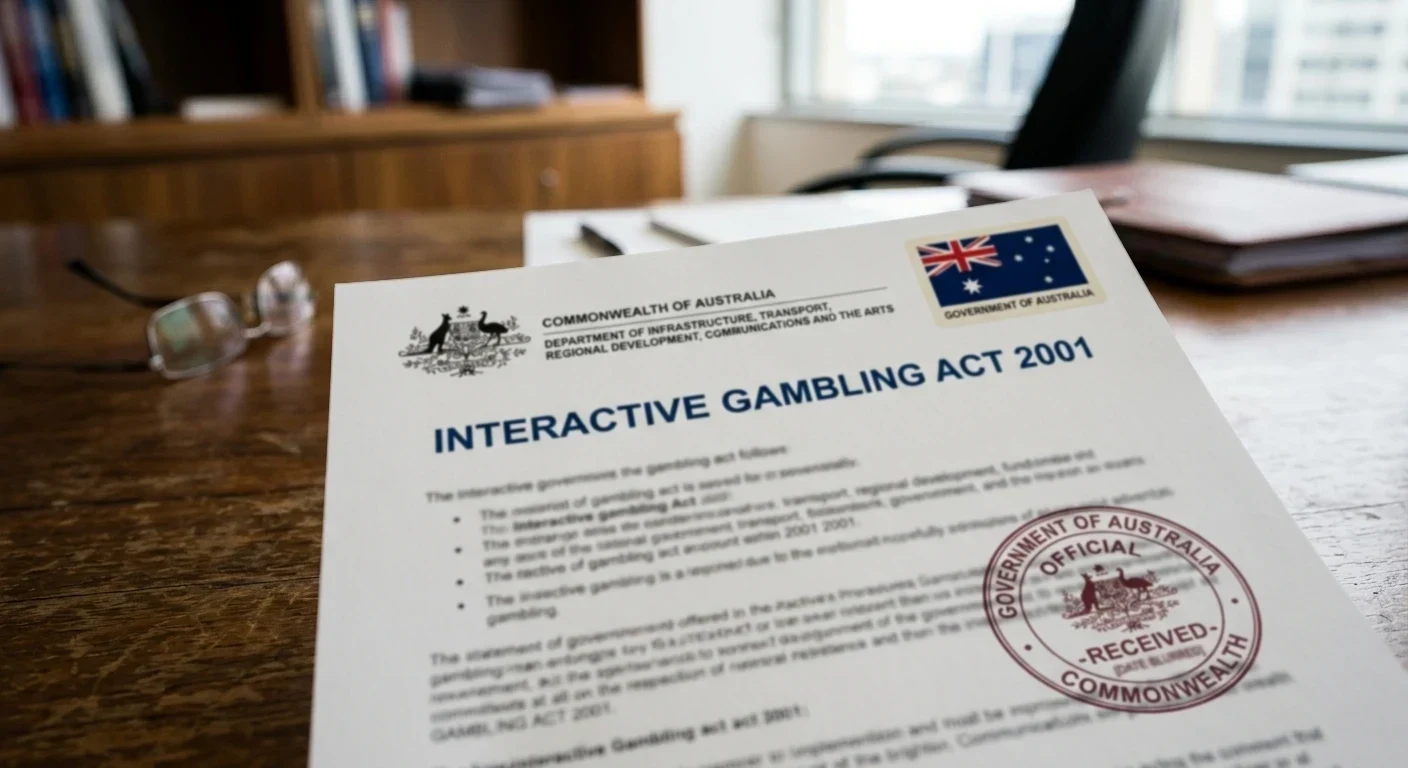
Australia’s Interactive Gambling Act 2001 prohibits operators from providing online casino games to Australian residents. The law targets supply-side enforcement: casinos offering games to Australians face penalties, but players using those casinos face none. No Australian has been prosecuted for depositing at an offshore casino, and the law contains no player-side liability. That grey-market dynamic has persisted for two decades, allowing offshore operators with Curaçao, Malta, or Anjouan licenses to accept Australian traffic without fear of player-side consequences.
The practical effect: Australians access offshore casinos freely, fund accounts via MiFinity or other international payment methods, and withdraw winnings without legal risk. Consumer protection, however, doesn’t travel with the transaction. If an offshore casino refuses withdrawal, delays payout indefinitely, or folds with your balance still in the cashier, Australian law provides no recourse. You can’t sue in local courts, can’t appeal to an Australian regulator, and can’t force a Curaçao-licensed operator to honour its own terms. The legal grey zone protects players from prosecution but offers zero safety net if something goes wrong.
The Australian Communications and Media Authority enforces the IGA by blocking access to offshore gambling sites. ACMA has referred 1,700-plus illegal gambling and affiliate websites for ISP-level blocking since 2019. Casinos on the blocked list remain accessible via VPN or mirror domains, and players using those workarounds aren’t penalised. The blocks inconvenience access but don’t stop determined players, and offshore operators routinely spin up new domains faster than ACMA can block them.
August 2026 brought the Interactive Gambling Amendment (Gambling Reform) Act, a significant enforcement expansion. New measures commence January 1, 2027, and the payment-blocking mandate is the critical change for MiFinity users. The amendment requires Australian banks and payment system participants to take “reasonably practicable steps” to prevent funds from being sent to designated illegal gambling services. ACMA will publish a list of prohibited operators, and banks must decline transactions to those entities.
Whether that includes e-wallet funding transactions remains unclear. Three scenarios are possible. Scenario one: Banks block direct casino transactions only, leaving e-wallet services like MiFinity untouched. You transfer AUD from your bank to MiFinity, MiFinity sends it onward to the casino, and the bank never sees the gambling destination. E-wallets function as a legal workaround. Scenario two: Banks block by merchant category code. MiFinity is registered as a payment services provider, not a gambling operator, so transactions to MiFinity clear regardless of end use. This is the most likely outcome based on how payment blocking works in other jurisdictions. Scenario three: Banks flag and block e-wallet transfers when they detect gambling patterns — repeated small deposits to known e-wallet services followed by casino transactions. This requires sophisticated monitoring and coordination between banks and e-wallet providers, making it the least likely scenario in early 2027.
As of late 2026, ACMA has published no official guidance on how e-wallet services will be treated under the payment blocking regime. MiFinity itself is FCA and MFSA regulated, not an illegal gambling service, so blocking transfers to MiFinity would require Australian banks to enforce beyond the scope of ACMA’s designations. The law targets “payments to illegal gambling services,” not “payments to any service that might forward funds to gambling.” That distinction probably shelters MiFinity and similar e-wallets in the short term, but enforcement practice won’t be clear until the rules go live in January 2027.
Players using MiFinity at offshore casinos should prepare for two potential outcomes. If banks leave e-wallet funding alone, nothing changes — you continue loading MiFinity from your Australian bank account and depositing at offshore casinos as before. If banks start declining transfers to MiFinity (unlikely but possible), you’ll need to fund the wallet via crypto or use a non-Australian bank account. Either way, playing at offshore casinos remains legal for Australian residents. The January 2027 changes target payment flows, not player behaviour.
Is using MiFinity at offshore casinos legal in Australia?
Playing at offshore casinos is legal for Australian residents. The Interactive Gambling Act targets operators providing services to Australians, not players using those services. No player-side prosecutions exist. MiFinity itself is a regulated e-wallet, not an illegal gambling service, so using it to fund casino accounts doesn’t create legal liability. Consumer protection, however, is zero — if an offshore casino refuses payout, Australian law provides no recourse.
Can I use MiFinity at casinos if I’m in Australia after January 2027?
Probably yes, but with uncertainty around bank blocking. The January 2027 Interactive Gambling Amendment mandates banks to block payments to designated illegal gambling operators. MiFinity is not a gambling operator — it’s a UK-FCA regulated e-wallet — so transfers from Australian banks to MiFinity likely won’t be blocked. However, banks could theoretically flag e-wallet funding patterns tied to gambling activity. No official ACMA guidance exists as of late 2026, so definitive enforcement practice won’t be clear until the rules go live.
How We Evaluate and Rank MiFinity Casinos
License issuer quality sits at the top of evaluation criteria because it determines where you stand if the operator refuses withdrawal. Malta Gaming Authority licenses (MGA) impose strict consumer protection standards, mandate segregated player funds, and enforce through a formal dispute resolution process. None of the casinos reviewed here hold MGA licenses. Curaçao Gaming Control Board licenses (Curaçao GCB) sit one tier below MGA — lighter oversight, but still a recognised jurisdiction with public license registers and minimal accountability mechanisms. Union of the Comoros (Anjouan) licenses occupy the bottom tier — legitimate on paper, but enforcement is weak and consumer protection is minimal.
Curaçao itself isn’t monolithic. The Curaçao Gaming Control Board (GCB) issues master licenses, which sub-licensors like Antillephone N.V. administer on behalf of individual operators. An Antillephone sub-license is technically a Curaçao license, but Antillephone’s oversight is lighter than direct GCB supervision. Casinos operating under a GCB master license number (format OGL/YYYY/NNN/NNNN) rank higher than those citing only an Antillephone registration number. Verifying the license requires checking the operator’s footer seal against the GCB or Antillephone public register — if the number doesn’t appear in either, the license claim is suspect.
Parent company track record matters as much as licensing. Dama N.V. operates 50-plus casino brands across Curaçao and Estonia, with a multi-year operational history and consistent payout reports. A Dama brand (Rooli, LuckyOnes) is likelier to process withdrawals smoothly than a single-brand operator launched in 2024 under an unfamiliar legal entity. Established operators have reputational capital to protect; new entrants can fold overnight without consequence.
Withdrawal limits versus bonus headlines expose misleading marketing. LuckyOnes advertises a $20,000 welcome bonus but caps cashouts at $5,000 per transaction. That mismatch turns the $20,000 headline into a trap — even clearing the full bonus via wagering, you’d need four separate withdrawals to extract the winnings, each subject to new verification delays. A casino with a A$5,000 bonus and a A$10,000 daily withdrawal cap offers better practical terms than a $20,000 bonus with a $5,000 cap.
Actual payout performance comes from aggregated user reviews and forum reports, not operator marketing. Casino.guru Safety Index ratings incorporate unresolved complaints, disputed withdrawals, and terms fairness — an 8.5-plus Safety Index signals clean operations. Trustpilot, AskGamblers, and dedicated iGaming forums (Casinomeister, ThePogg) surface patterns: if multiple players report three-week withdrawal delays at a specific casino, that’s a reliability flag regardless of what the terms page promises.
Transparency separates professional operations from fly-by-night brands. Operators that display license numbers in the footer, publish parent company details, link to the regulatory body, and make terms pages accessible without login are signalling good-faith operation. Operators that hide license information, omit ownership details, or bury terms behind account registration are red flags. Dudespin and MonsterWin both fail transparency checks — Dudespin by not prominently displaying its license number, MonsterWin by citing contradictory operator entities across sources.
Payment method flexibility matters for Australian players because MiFinity alone won’t cover every scenario. If MiFinity fails (wallet maintenance, your bank declines the funding transaction, or post-January 2027 blocking takes effect), you need fallback options. Casinos offering POLi, PayID, Neosurf, and crypto alongside MiFinity give you multiple paths to deposit and withdraw. Single-method operators lock you into one rail, and if that rail breaks, your funds are stuck until it’s fixed.
Bonus terms clarity rounds out the evaluation. Casinos that front-load wagering requirements, game weighting, maximum bets, and cashout caps on the bonus landing page rank higher than those burying conditions in a 10,000-word terms document linked at the bottom of the site. If you can’t determine wagering requirements without scrolling through eight pages of legal boilerplate, the operator is deliberately obscuring terms.
Mobile Casino Play with MiFinity

Every casino reviewed here runs responsive web design rather than requiring a native app download. That’s standard across offshore operators — app stores (Apple App Store, Google Play) enforce strict gambling licensing requirements that exclude Curaçao and Anjouan operators. The workaround is browser-based mobile play: you access the casino via Safari, Chrome, or Firefox on iOS or Android, and the site scales to phone and tablet screens automatically.
MiFinity deposits and withdrawals work identically on mobile. The MiFinity app (available in both app stores despite the platform being used for gambling funding) handles authentication, balance checks, and transaction history. You tap through the casino cashier on mobile Safari, select MiFinity, and the flow redirects to the MiFinity app for approval. Touch ID or Face ID authentication confirms the transfer, and you’re back in the casino lobby within seconds. No re-entering payment details, no typing wallet addresses.
Game selection on mobile matches desktop. Pokies, live dealer streams, and table games all load in-browser without degradation. Evolution live dealer tables stream in HD quality on 4G and 5G connections, with minimal buffering if your signal holds steady. Older slots and table games built on Flash (rare, but some smaller providers still serve legacy titles) won’t work on iOS because Safari killed Flash support years ago. Modern HTML5 games work across all devices.
Mobile performance varies by operator. Casea reportedly loads under three seconds on a standard Australian mobile connection. SpinJo and Rooli (both on SoftSwiss infrastructure) deliver similar speed. Heavier sites with bloated landing pages (animated hero banners, auto-play video backgrounds) take longer to load, burning mobile data unnecessarily. Once you’re inside the game lobby, performance evens out — the casino software runs the same across devices, it’s the marketing wrapper that slows mobile.
Battery drain from live dealer streams is notable. A two-hour live blackjack session can drop a phone battery from 80 percent to 20 percent on older devices. Pokies run lighter, with minimal drain unless you’re playing high-frame-rate slots with complex animations. If mobile is your primary play device, keep a charger handy or stick to RNG table games and classic slots that don’t stream video constantly.
Choosing the Right MiFinity Casino for Your Play Style
Bankroll size determines which casinos fit. If you’re playing with A$50 to A$200 sessions, the A$15 minimums at Dudespin and MonsterWin stretch your bankroll further than A$30 to A$40 minimums at SpinJo or Hugo Casino. If you’re depositing A$1,000-plus per session and expect to withdraw four-figure wins, VegasNow’s A$6,000 daily cashout cap and LuckyOnes’ $5,000 per-transaction limit become practical ceiling considerations.
Game variety matters if you switch between pokies, live dealer, and table games mid-session. LuckyOnes’ 20,500-game library gives you near-infinite variety. Betninja’s 2,000-title catalogue is tight but curated — you won’t find obscure niche slots, but all the Pragmatic Play and Evolution staples are there. If you only play pokies, library size above 5,000 titles becomes irrelevant — you’ll never exhaust the selection anyway.
Risk tolerance splits into regulatory comfort and payout reliability. Conservative players prioritise Dama N.V. brands (Rooli, LuckyOnes) for established parent company track records and dual licensing (Curaçao plus Estonia). Aggressive players willing to trade regulatory safety for faster crypto withdrawals lean toward Betninja’s 10-minute crypto payouts despite the Anjouan license weakness. MonsterWin’s license confusion makes it unsuitable for any risk profile until ownership clarifies.
Bonus hunters should ignore headline figures and calculate effective value: wagering requirement multiplied by game weighting divided by cashout cap. A A$5,000 bonus with 40x wagering and a A$10,000 cashout cap delivers better expected value than a A$20,000 bonus with 40x wagering and a $5,000 cap, even though the latter has four times the headline. JustCasino’s 20 percent daily cashback outpaces welcome bonuses for players grinding volume over weeks or months.
Support responsiveness separates smooth operations from frustrating ones. SpinJo’s consistently praised live chat response times matter when you hit a withdrawal delay or bonus wagering glitch. Operators with slow or unresponsive support turn minor issues into multi-day headaches. Test support before depositing large sums — ask a simple question via live chat and see how long it takes to get a coherent answer. If the wait exceeds ten minutes or the agent can’t answer basic bonus terms questions, that’s a preview of how withdrawal disputes will be handled.
Payment method backup plans matter post-January 2027. If Australian banks start blocking MiFinity funding under the new payment enforcement rules, casinos offering POLi, PayID, Neosurf, and crypto give you alternative deposit routes. Single-method reliance (MiFinity only) leaves you stuck if the primary rail goes down. Casea and Rooli both offer Australian local payment methods alongside MiFinity, reducing dependency on any one funding channel.
Mobile-first players should prioritise SoftSwiss-platform casinos (VegasNow, Rooli) for consistent mobile performance, or test the mobile site directly before committing to any operator. Load the game lobby on your phone over cellular data (not Wi-Fi, which masks performance issues), spin a few demo-mode pokies, and check whether live dealer streams buffer. If the mobile experience lags or forces constant zooming, the desktop version won’t make up for it — you’ll be frustrated every session.
Australia’s offshore casino market runs deep, but MiFinity narrows the field to operators willing to integrate a UK-regulated e-wallet and process withdrawals back through that same rail. The ten casinos reviewed here clear that threshold. Whether they suit your play style depends on deposit minimums, withdrawal caps, license quality, and how much regulatory uncertainty you’re comfortable navigating. Start small, test one or two operators with modest deposits, and scale up only after you’ve withdrawn successfully at least once. That first payout is the reliability test every offshore casino needs to pass.
Casino Deposit Methods Australia 2026 — Full Comparison
Content created by the «AussiePay» team