
Best Online Casino Payment Methods for Aussies: What Actually Works in 2026
 Available in AU

Payment methods are the least glamorous part of online gambling. Until your first withdrawal stalls for five business days. Then they become the only thing that matters.
Australian players face a peculiar set of rules. Local operators are banned under the Interactive Gambling Act 2001, but offshore casinos happily accept Aussie dollars. The deposit goes through instantly. The withdrawal? That depends on the method you chose at sign-up.
This guide unpacks the payment options that actually work for Australian online casino players in 2026, with concrete speeds, real fees, and no sugar-coating. We tested the methods, checked the banking friction, and talked to players who use them. The result is a brutal ranking: not what sounds good in a marketing brochure, but what clears from a Commonwealth Bank account without triggering a fraud alert.
Why Payment Methods Matter More Than the Casino in Australia
A casino can have 4,000 pokies, a live dealer with a questionable accent, and a welcome bonus that reads like a mortgage contract. None of it matters if you can’t get funds in or out.
Payment rails decide how fast you start playing, how much you pay in fees, what protection you have if something goes wrong, and whether your bank flags the transaction as suspicious. In Australia, the situation is layered. The Interactive Gambling Act makes it illegal for companies to offer online casino games to Australians. But the law targets operators, not individual players.
Banks sometimes block transactions to known gambling merchants, especially credit card deposits to offshore casinos. Debit cards and alternative methods slip through more often. That’s why e-wallets, prepaid vouchers, and crypto have become the default for experienced players.
And no, the casino doesn’t pay your bank fees. The “free” deposit is never free.
What is the legal status of using these methods to access offshore casinos from Australia?
The IGA criminalises operators who offer online casino games to Australian residents, not the players who access them. ACMA blocks offshore sites and enforces the ban on the supply side, but individual Australians face no criminal penalty for depositing at an offshore casino. Your payment method choice is a practical decision about clearing rates and fees, not a legal risk. The regulatory grey zone sits with the offshore operators, not with you.
The Australian Banking Block Reality
Australian banks are skittish about gambling transactions. They’ll process a $300 payment to a sports betting site without blinking, but the same amount to an offshore casino might trigger a fraud alert, a frozen card, and a phone call to a call centre in Manila.
The mechanism is merchant category code 7995. Banks use MCC 7995 to identify gambling transactions. Since the Australian Banking Association’s voluntary agreement in 2022, major banks block most credit card deposits to offshore gambling merchants. Debit card blocks are less common but increasing. Some banks flag transactions for manual review rather than auto-declining.
Not all banks enforce the blocks equally. Commonwealth Bank and NAB are the most restrictive. Westpac sits in the middle. ANZ Plus and some neobanks (Up, 86 400) are less aggressive. Your mileage varies depending on which institution issued your card and whether the casino’s payment processor has a clean merchant descriptor.
The best methods are the ones that fly under the radar or bypass the bank entirely. PayID deposits appear as standard bank transfers, not gambling transactions. E-wallets add a layer between your bank and the casino. Crypto skips the Australian banking system altogether.
Do Australian banks block online casino deposits?
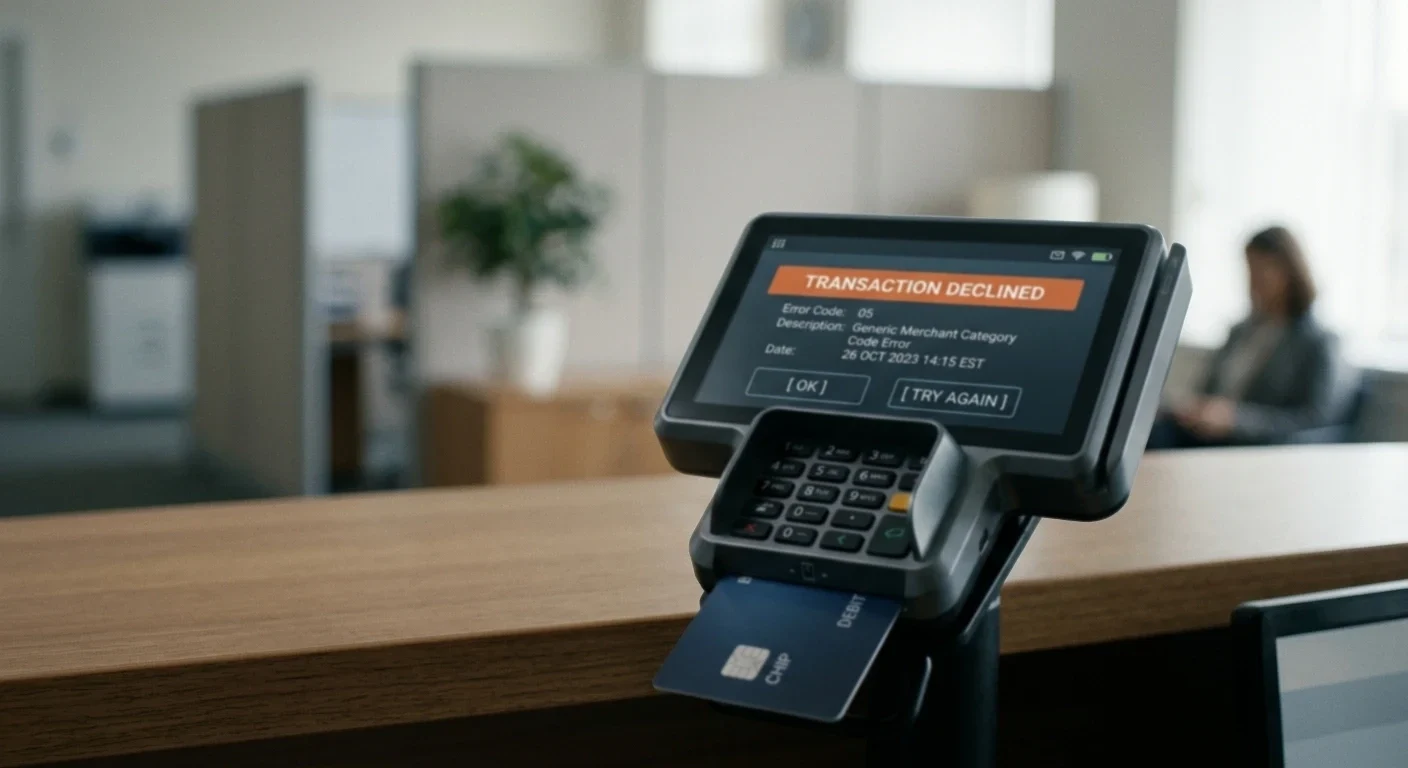
Yes, but selectively. Credit cards are blocked at most major banks (CommBank, NAB, Westpac) for offshore gambling transactions under the 2022 voluntary industry agreement. Debit cards work more often but are increasingly monitored. Banks use MCC 7995 to flag gambling merchants. If your card gets declined, switch to PayID, an e-wallet, or crypto. Some players report that their card works for three or four deposits before the bank catches on and blocks the fifth.
| Bank | Credit Card Block | Debit Card Block | MCC 7995 Enforcement |
|---|---|---|---|
| Commonwealth Bank | Yes (strict) | Partial (flagged) | Strict |
| NAB | Yes (strict) | Partial (flagged) | Strict |
| Westpac | Yes (moderate) | Rare | Moderate |
| ANZ | Yes (moderate) | Rare | Moderate |
| ANZ Plus | Limited | Rare | Light |
| Up Bank | Limited | Rare | Light |
| 86 400 | Limited | Rare | Light |
PayID — Australia’s Instant Banking Shortcut

PayID is the standout local payment method for Australian casino players in 2026. It’s built into every major bank’s app, clears in seconds, and bypasses the card network blocks that plague Visa and Mastercard deposits.
PayID is an addressing service managed by Australian Payments Plus. It links your mobile number, email, or ABN to your bank account via the New Payments Platform. Real-time domestic bank transfers clear in under 60 seconds. For casino use, you send AUD from your bank account to the casino’s PayID address (routed through a licensed payment processor), and funds land instantly.
The catch is processor fragmentation. Offshore casinos don’t have direct access to NPP rails. Your PayID deposit is routed through a third-party processor like Directa24 or Praxis that maintains an Australian bank account and forwards funds to the casino. From your perspective, it looks like a standard PayID transfer. From your bank’s perspective, the recipient is the processor’s Australian entity, not a gambling merchant.
Deposits are instant. Withdrawals back to an Australian bank account via PayID typically take 1–24 hours once the casino approves, but not all casinos support PayID withdrawals. Some only accept deposits and require you to cash out via bank transfer or an e-wallet. Check the casino’s withdrawal methods before committing.
Fees are minimal. No fee from your bank or the PayID system itself. Some casino processors add a 0–2% fee depending on the site. No currency conversion fee if the casino accepts AUD.
Limits are bank-dependent. NPP supports up to $1 million per transaction, but most casinos impose $500–$10,000 deposit limits per transaction. Withdrawal limits vary by casino, typically $500–$10,000 per transaction.
PayID has become the fastest-growing payment method for Australian casino players. It bypasses card blocks, deposits are instant, fees are low or nonexistent. The main limitation is inconsistent withdrawal support. About 40% of casinos that accept PayID deposits also support PayID withdrawals. The rest force you to use an alternative method for cashouts.
Is PayID safe for casino deposits and withdrawals?
Yes. PayID uses the same banking infrastructure as any other Australian bank transfer. Your transaction is protected by your bank’s security systems, and you’re sending funds to a legitimate payment processor’s Australian account, not directly to an offshore gambling site. The processor’s name appears on your bank statement, not the casino’s. PayID itself doesn’t store your banking details. The main risk is the same as any casino transaction: the offshore operator’s solvency and willingness to pay out. PayID as a rail is secure; the casino’s integrity is your due diligence.
Debit and Credit Cards — The Declining Baseline
Cards remain the most accessible payment method for new players. Visa and Mastercard branded debit cards work at most offshore casinos, but credit cards are increasingly blocked.
Visa Debit Cards
Visa debit cards are issued by all major Australian banks. Success rate for offshore casino deposits is roughly 70–80%, depending on your bank and the casino’s payment processor. Deposits are instant when they clear. Withdrawals back to a Visa debit card take 2–5 business days once the casino approves the payout.
Fees vary. No fee from the Visa network for gambling transactions. Casino processors often charge 2–3% on card deposits, absorbed by the player or the casino depending on the site. If the casino operates in USD or EUR and your bank converts AUD, expect a 2–3% currency conversion spread on top.
The banking block is the main friction point. MCC 7995 triggers an automatic decline at some banks. Commonwealth Bank is the most restrictive. Debit cards fare better than credit cards, but the trend is toward tighter restrictions across the board.
Some withdrawals fail because the bank rejects the incoming transfer from an offshore gambling merchant. If your Visa debit withdrawal gets declined, you’ll need to cash out via bank transfer or an e-wallet instead.
Mastercard Debit Cards
Mastercard operates identically to Visa for casino use. Same 70–80% success rate, same banking block dynamics, same processor fees. No meaningful performance difference. If your Visa debit card gets declined, trying Mastercard usually yields the same result because the block is bank-side (MCC 7995), not network-side.
Why Credit Cards Are Dead for Casino Deposits
Credit card blocks are widespread. Commonwealth Bank and NAB block most offshore gambling merchants since 2022. Westpac and ANZ are less aggressive but growing restrictions. Even when a credit card deposit goes through, your bank might treat it as a cash advance and charge you interest immediately.
The Australian Banking Association’s 2022 voluntary agreement killed credit cards for offshore casino use. Debit over credit is now the strong recommendation for anyone still using cards at all.
What happens if my bank declines a casino deposit?
Your deposit fails and no funds leave your account. The casino’s cashier shows a decline message. If it’s a card deposit, the most common cause is your bank blocking the transaction under MCC 7995. Try a different method: PayID if the casino supports it, an e-wallet like Skrill or MuchBetter, or crypto. Some players call their bank and ask them to whitelist the transaction, but most banks refuse to unblock gambling merchants. Switching methods is faster than arguing with your bank.
E-Wallets — Bypassing the Banks

E-wallets add a layer between your bank and the casino. You deposit AUD from your bank account into the e-wallet once, then use that balance across multiple casinos. Deposits to casinos are instant. Withdrawals from casinos to your e-wallet are fast, usually 0–24 hours. Then you transfer from the e-wallet to your Australian bank account in 1–3 days.
The major players in the Australian market are Skrill, Neteller, MuchBetter, and MiFinity. PayPal is rare at offshore casinos and often excluded from bonuses where it appears.
Skrill
Skrill is owned by Paysafe Group and regulated by the UK Financial Conduct Authority. It’s one of the oldest e-wallets in iGaming, launched in 2001 as Moneybookers and rebranded in 2011. Australian players regained access in 2023 after a regional block that lasted from 2018 to 2022.
Skrill is accepted at roughly 90% of offshore casinos targeting Australians. Deposits to casinos from your Skrill balance are instant and usually free. Withdrawals from casinos to Skrill take 0–24 hours once the casino approves.
Fees are the main downside. Depositing AUD from your Australian bank account into Skrill costs 1.9%. Currency conversion (if the casino operates in USD) adds another 3.99%. Withdrawing from Skrill to your Australian bank costs a flat 5.50 EUR, roughly 9 AUD.
Bonus eligibility is the second catch. Roughly 60% of casinos exclude Skrill deposits from welcome bonuses. Read the terms before you click. Nothing says “gift” like a 35x wagering requirement on a deposit method they secretly don’t want.
Skrill’s advantage is acceptance. If a casino accepts e-wallets, it accepts Skrill. Prepaid Mastercard available (Skrill card) but not widely used in Australia.
Neteller
Neteller is also owned by Paysafe Group, regulated by the UK FCA, and nearly identical to Skrill in features. Founded in 1999, acquired by Optimal Payments in 2004, merged into Paysafe in 2015. Australian access restored in 2023 after the same 2018–2022 block.
Fee structure is almost the same as Skrill. Depositing AUD from your bank costs 1.9%. Withdrawing from Neteller to your Australian bank costs a flat 7.50 USD, roughly 11 AUD. Currency conversion is 3.99%. Bonus exclusion applies at the same 60% rate.
The only meaningful difference from Skrill is branding. Some casinos accept Neteller but not Skrill, or vice versa. Most accept both. Despite having the same parent company, Skrill and Neteller operate as separate services. You can’t transfer your Skrill balance to Neteller or vice versa.
Neteller historically offered a VIP program with lower fees for high-volume users. The program still exists in 2026 but is less generous than it was pre-2020.
Why do some casinos exclude Skrill and Neteller from bonuses?
Bonus abuse. E-wallets make it easy to move funds between casinos quickly, and some players used to claim welcome bonuses at multiple sites, meet the wagering requirement at the loosest one, and withdraw. Casinos started excluding Skrill and Neteller deposits from bonuses to cut down on bonus hunters. It’s not a Skrill or Neteller problem; it’s the casino protecting its margin. MuchBetter and MiFinity are newer and haven’t built the same reputation, so they’re often bonus-eligible.
MuchBetter
MuchBetter is a UK-based e-wallet launched in 2017, authorised by the UK FCA. It’s mobile-first: iOS and Android app only, no desktop website for transactions. The interface is streamlined and faster than Skrill or Neteller’s web flows.
Fees are significantly lower. Depositing AUD from your Australian bank account via card costs roughly 0.5%. Withdrawing from MuchBetter to your Australian bank costs 2% plus a small fixed fee, around 2 AUD total. Casino deposits from MuchBetter are free. Casino withdrawals to MuchBetter take 0–24 hours.
MuchBetter is bonus-eligible at most casinos, unlike Skrill and Neteller. Biometric security (fingerprint or face ID) is built in. A prepaid Mastercard is available, letting you convert casino winnings into spendable funds at ATMs and retailers.
Acceptance is the trade-off. MuchBetter is accepted at roughly 60% of offshore casinos targeting Australians, compared to 90% for Skrill and Neteller. The gap is narrowing. MuchBetter’s user base in Australia has grown rapidly from 2023 to 2026 as players migrate away from Skrill and Neteller’s high fees.
Transaction limits are lower. Deposit max is typically 5,000 AUD per transaction, compared to 10,000+ for Skrill and Neteller.
MiFinity
MiFinity is another UK FCA-regulated e-wallet, launched around 2019. It targets iGaming, sports betting, and forex trading markets. Unlike MuchBetter’s app-only approach, MiFinity offers both a web platform and mobile apps.
Fees are competitive with MuchBetter. Depositing AUD from your Australian bank via card costs roughly 1%. Withdrawing from MiFinity to your Australian bank costs around 2% plus a small fixed fee. Casino deposits and withdrawals are processed within 0–24 hours.
MiFinity supports multi-currency accounts. You can hold AUD, USD, and EUR simultaneously, which is useful if you play at casinos in different currencies. Currency conversion happens inside MiFinity at reasonable rates rather than stacking multiple conversions.
The eVoucher system is MiFinity’s distinguishing feature. You can buy a MiFinity eVoucher with cash (or anonymously online), use the voucher to fund your MiFinity account, and then deposit at casinos. This adds an anonymity layer: no direct bank-to-MiFinity link, no direct MiFinity-to-casino link visible on your bank statement.
Acceptance is roughly 50% of offshore casinos as of 2026, up from 20% in 2023. MiFinity is growing rapidly but still trails Skrill, Neteller, and MuchBetter. Bonus eligibility is generally good.
| E-Wallet | Deposit Fee (AU Bank) | Withdrawal Fee (AU Bank) | Casino Acceptance | Bonus Eligible | Speed (Casino to Wallet) |
|---|---|---|---|---|---|
| Skrill | 1.9% | 5.50 EUR (~9 AUD) | ~90% | No (~60% exclude) | 0–24 hours |
| Neteller | 1.9% | 7.50 USD (~11 AUD) | ~90% | No (~60% exclude) | 0–24 hours |
| MuchBetter | <1% | 2% + 2 AUD | ~60% | Yes (most casinos) | 0–24 hours |
| MiFinity | ~1% | ~2% + small fee | ~50% | Yes (most casinos) | 0–24 hours |
Prepaid Vouchers — Cash In, But No Cash Out

Prepaid vouchers are perfect for controlling your spending or avoiding a gambling transaction on your bank statement. You buy a voucher with cash or online, enter the code at the casino, and funds land instantly. The catch: you can’t withdraw to a voucher. You’ll need a different method for cashouts, usually a bank transfer or e-wallet.
Neosurf
Neosurf is a French prepaid voucher system operated by Neosurf Group, part of Arkéa Banking Group. Launched in 2004, it expanded to Australia around 2010. It’s now the most accessible prepaid option for Australian casino players.
You can buy Neosurf vouchers at roughly 10,000 retail locations across Australia: Coles, 7-Eleven, Australia Post, newsagents, and independent convenience stores. Denominations range from 10 to 250 AUD. You can also purchase Neosurf vouchers online via the Neosurf website (credit card or PayPal), with instant delivery.
At the casino, you select Neosurf from the cashier, enter your 10-digit voucher code, and the deposit clears instantly. No account setup required. No personal details linked to the code.
Fees are the retail markup, typically 5–7%. You pay 107 AUD for a 100 AUD voucher. The markup varies by retailer. Online purchases via the Neosurf website carry similar fees.
Roughly 70% of offshore casinos targeting Australians accept Neosurf as of 2026. Vouchers expire 12 months from purchase. If you don’t use the full balance, the remainder stays on the code until expiry.
Neosurf is useful for budget control (you load a fixed amount per session), anonymity (no bank statement record), and as a workaround for players whose cards and banks block all gambling transactions. The main limitation is withdrawal. You must set up a bank transfer or e-wallet to receive casino payouts.
Paysafecard
Paysafecard is operated by Paysafe Prepaid Services Limited, part of Paysafe Group (same parent as Skrill and Neteller). Launched in Austria in 2000, it’s now regulated by the UK FCA. Paysafecard is similar to Neosurf but with lower Australian retail availability.
You purchase a 16-digit PIN voucher for 15 to 250 AUD at select Australian retailers or online. As of 2026, Paysafecard is available at an estimated 2,000–3,000 Australian locations, significantly fewer than Neosurf’s 10,000+. You can also buy vouchers online via the Paysafecard website and third-party resellers.
At the casino, you select Paysafecard, enter your 16-digit PIN, and funds deposit instantly. Optional My Paysafecard account lets you upload multiple vouchers to a single account and manage balances across transactions. Pure voucher codes are single-use until depleted.
Fees are roughly 5–7% retail markup, similar to Neosurf. Vouchers expire 12 months from purchase. After 12 months of inactivity, Paysafecard charges a monthly maintenance fee of 2 EUR.
Casino acceptance is lower than Neosurf among Australian-facing operators: roughly 50% compared to Neosurf’s 70%. Paysafecard is more common at European casinos. For Australian players, Neosurf is the easier default.
Cryptocurrency — The Complete Banking Bypass

Crypto has gone from niche to mainstream for Australian casino players. Bitcoin, Ethereum, and stablecoins bypass the entire banking blockade. You buy crypto on an Australian exchange, send it to the casino’s wallet address, and you’re playing in minutes. Withdrawals are usually processed within an hour, sometimes instantly.
Bitcoin
Bitcoin is the most widely accepted cryptocurrency at offshore casinos. Launched in 2009, it’s decentralised: no legal entity owns or operates it. Australian players acquire BTC via cryptocurrency exchanges like CoinSpot, Swyftx, Independent Reserve, Binance Australia, or Kraken.
For casino deposits, you send BTC from your exchange wallet or personal wallet to the casino’s Bitcoin address. The casino credits your account once the transaction receives 1–3 blockchain confirmations. Confirmation time is roughly 10–30 minutes depending on network congestion and the fee you attach to the transaction.
Withdrawals reverse the flow. The casino sends BTC to your wallet address. Typical processing time is 10–60 minutes once the casino approves the payout. You then sell the BTC on your Australian exchange to convert back to AUD.
Fees are network fees paid to Bitcoin miners, typically 0.50–5 USD per transaction as of 2026. Some casinos charge an additional processing fee on top. No bank involvement, no currency conversion if the casino credits your account in BTC or USD equivalent.
Roughly 80% of offshore casinos targeting Australians accept Bitcoin as of 2026. It’s the baseline crypto option. If a casino accepts any crypto, it accepts Bitcoin.
Volatility is the trade-off. BTC price fluctuates. A 500 AUD deposit in Bitcoin might be worth 480 AUD or 520 AUD by the time you withdraw, independent of your gambling outcome. Some players treat this as an acceptable risk. Others find it irritating.
Australian crypto exchanges are regulated under AUSTRAC since 2018. All exchanges require KYC verification (identity documents, proof of address). CoinSpot launched in 2013 and has over 2 million users. Swyftx launched in 2017 with 650,000+ users. Independent Reserve launched in 2013. Binance Australia is a global platform with an Australian fiat gateway.
Bitcoin transaction finality depends on confirmations. One confirmation takes roughly 10 minutes (average block time). Most casinos require 1–3 confirmations before crediting deposits, so 10–30 minutes is the typical deposit window.
Are cryptocurrency payments legal for Australian casino players?
Yes. Cryptocurrency is legal to buy, hold, and transact in Australia. Australian exchanges are regulated by AUSTRAC under AML/CTF laws. Using Bitcoin or any other crypto to deposit at an offshore casino is no different legally than using a debit card or PayID: the IGA targets casino operators, not players. Crypto itself is not illegal, and using it for gambling transactions doesn’t add legal risk. The regulatory concern is the offshore casino’s license status, not your payment rail.
Ethereum and Stablecoins
Ethereum (ETH) is the second most common cryptocurrency for casinos. Faster than Bitcoin, with transaction finality around 2–5 minutes. Network fees are typically lower than Bitcoin but variable depending on Ethereum network congestion.
Stablecoins like Tether (USDT) and USD Coin (USDC) have become increasingly popular from 2024 to 2026 because they eliminate volatility risk. Stablecoins are pegged 1:1 to USD. A deposit of 500 AUD worth of USDT is worth the same 500 AUD worth of USDT when you withdraw (barring AUD/USD exchange rate movement, which is minimal day-to-day).
Most stablecoins run on Ethereum or Tron networks. Transaction speed is similar to Ethereum: 2–5 minutes for Ethereum-based USDT, under 1 minute for Tron-based USDT. Fees are low. Casinos often credit stablecoin deposits as USD equivalent.
Stablecoins solve Bitcoin and Ethereum’s volatility problem without sacrificing the banking bypass. If you want crypto’s speed and privacy without the price swings, stablecoins are the answer.
Withdrawal Speed — What Actually Determines How Fast You Get Paid

Deposits are easy. Withdrawals are where casinos show their true colours. A site that takes your money via five methods but only pays out via one slow bank transfer isn’t doing you any favours.
Advertised withdrawal speeds are misleading. A casino claiming “instant crypto withdrawals” still requires internal approval, which can take 1–48 hours depending on the operator. Your withdrawal timeline has three stages: casino approval, method processing, and banking settlement.
Casino approval is the first delay. Reputable operators approve withdrawals within 1–24 hours. Budget operators can take 48 hours or longer. Some casinos impose a pending period of 24–72 hours during which you can reverse the withdrawal. This is deliberately designed to tempt you into cancelling and playing through your winnings.
KYC verification adds time to your first withdrawal. Most casinos require identity documents, proof of address, and payment method verification before processing your first cashout. KYC review can take 1–7 days depending on how quickly you upload documents and how fast the casino’s compliance team works. Subsequent withdrawals are faster because you’re already verified.
Method processing time is what the payment rail actually takes. Crypto is 10–60 minutes once approved. PayID is 1–24 hours if the casino supports it. E-wallets (Skrill, Neteller, MuchBetter, MiFinity) are 0–24 hours to your wallet, then 1–3 days from wallet to your Australian bank. Debit cards are 2–5 business days. Bank transfers without PayID are 2–5 days.
Weekend and holiday delays affect non-crypto methods. If the casino approves your withdrawal Friday night, and you’re cashing out via debit card, the bank transfer doesn’t start until Monday. Crypto and PayID process 24/7.
How long does the first casino withdrawal take?
Longer than subsequent ones. Expect 2–10 days for your first cashout. The casino reviews your KYC documents (1–7 days), approves the withdrawal (1–48 hours), then processes it via your chosen method (instant to 5 days depending on method). Upload clear photos of your ID and proof of address as soon as you sign up to reduce KYC delays. After your first withdrawal clears, subsequent cashouts are much faster: 1–3 days for e-wallets and cards, under 24 hours for crypto and PayID.
What is the fastest withdrawal method for Australian casino players?
Crypto once you’re KYC-verified. Bitcoin, Ethereum, and stablecoins process in 10–60 minutes after casino approval. PayID is second-fastest at 1–24 hours if the casino supports PayID withdrawals. E-wallets (MuchBetter, Skrill, Neteller, MiFinity) land in your wallet within 24 hours, but you then wait 1–3 days to transfer from the wallet to your bank. Cards and bank transfers take 2–5 days. For regular players, crypto is the clear winner. For casual players who don’t want to set up a crypto exchange, PayID is the best balance of speed and convenience.
| Payment Method | Method Processing Time | Typical Casino Approval | First Withdrawal (with KYC) | Subsequent Withdrawals | Total Real Timeline |
|---|---|---|---|---|---|
| Bitcoin / Crypto | 10–60 minutes | 1–48 hours | 2–10 days | 1–2 days | 1–2 days (after KYC) |
| PayID | 1–24 hours | 1–48 hours | 2–10 days | 1–3 days | 1–3 days (after KYC) |
| E-wallets (Skrill, Neteller, MuchBetter, MiFinity) | 0–24 hours to wallet, 1–3 days wallet to bank | 1–48 hours | 2–10 days | 2–4 days | 2–4 days (after KYC) |
| Debit Cards (Visa, Mastercard) | 2–5 business days | 1–48 hours | 3–12 days | 3–7 days | 3–7 days (after KYC) |
| Bank Transfer (non-PayID) | 2–5 business days | 1–48 hours | 3–12 days | 3–7 days | 3–7 days (after KYC) |
| Prepaid Vouchers (Neosurf, Paysafecard) | Not available | N/A | N/A | N/A | N/A |
The Real Cost — Fees Across the Full Payment Chain

Competitors list “no fees” or “low fees” without breaking down where the cost actually lands. The real cost of a casino transaction is the sum of every fee across the full payment chain: casino processor fee, payment provider fee, currency conversion, and transfer-out fees.
Here’s what a $100 deposit and withdrawal actually costs per method.
PayID: Deposit free from your bank, 0–2% casino processor fee (varies by casino), no currency conversion if the casino accepts AUD. Withdrawal free if the casino supports PayID cashouts, otherwise you’ll use bank transfer (free) or an e-wallet (see e-wallet fees). Total cost per $100 round-trip: $0–4.
Visa/Mastercard debit: Deposit typically free from your bank, 2–3% casino processor fee, 2–3% currency conversion if the casino operates in USD. Withdrawal 2–5 days, usually free but some banks reject incoming gambling transfers. Total cost per $100 round-trip: $4–6 (or more if conversion applies twice).
Skrill: Deposit from Australian bank 1.9%, currency conversion 3.99% if applicable, casino deposit from Skrill free, casino withdrawal to Skrill free, Skrill to Australian bank 5.50 EUR (~9 AUD). Total cost per $100 round-trip: $10.90 + currency conversion if applicable, so roughly $11–16.
Neteller: Deposit from Australian bank 1.9%, currency conversion 3.99%, casino transactions free, Neteller to Australian bank 7.50 USD (~11 AUD). Total cost per $100 round-trip: $12.90 + conversion, roughly $13–17.
MuchBetter: Deposit from Australian bank <1%, currency conversion if applicable, casino transactions free, MuchBetter to Australian bank 2% + 2 AUD. Total cost per $100 round-trip: $3–5.
MiFinity: Deposit from Australian bank ~1%, currency conversion if applicable, casino transactions free, MiFinity to Australian bank ~2% + small fee. Total cost per $100 round-trip: $3–5.
Neosurf/Paysafecard: Voucher purchase 5–7% retail markup, deposit free, withdrawal not available (must use different method for cashout). Total cost per $100 deposit: $5–7.
Bitcoin/Crypto: Exchange purchase spread ~0.5–1%, network fee 0.50–5 USD per transaction, casino deposit/withdrawal free or small processing fee, exchange sell spread ~0.5–1%. Total cost per $100 round-trip: $2–8 depending on network congestion.
Which payment method has the lowest fees for casino deposits?
PayID if the casino doesn’t charge a processor fee and accepts AUD. Total cost is zero or close to it. Crypto is second-cheapest at $2–4 per $100 round-trip if you use a low-fee Australian exchange and avoid high network congestion. MuchBetter and MiFinity are third at $3–5. Avoid Skrill and Neteller for cost: $11–17 per $100 makes them the most expensive mainstream option. Cards sit in the middle at $4–6 but with higher decline risk.
| Payment Method | Deposit Fees | Withdrawal Fees | Currency Conversion | Other Fees | Total Cost per $100 Round-Trip |
|---|---|---|---|---|---|
| PayID | 0–2% (casino) | Free (if supported) | None (if AUD) | None | $0–4 |
| Visa/Mastercard Debit | 2–3% (processor) | Free (usually) | 2–3% (if USD/EUR) | None | $4–6+ |
| Skrill | 1.9% (bank deposit) | 5.50 EUR (~9 AUD) | 3.99% (if applicable) | None | $11–16 |
| Neteller | 1.9% (bank deposit) | 7.50 USD (~11 AUD) | 3.99% (if applicable) | None | $13–17 |
| MuchBetter | <1% (bank deposit) | 2% + 2 AUD | If applicable | None | $3–5 |
| MiFinity | ~1% (bank deposit) | ~2% + small fee | If applicable | None | $3–5 |
| Neosurf/Paysafecard | 5–7% (retail markup) | N/A (deposit only) | None | None | $5–7 (deposit only) |
| Bitcoin/Crypto | 0.5–1% (exchange spread) | 0.5–1% (exchange spread) | None | 0.50–5 USD (network fee) | $2–8 |
Mobile Payments — Limited and Overrated
Apple Pay and Google Pay are essentially wrappers for your existing debit or credit card. If your card is blocked by your bank for gambling transactions, Apple Pay and Google Pay won’t magically fix it. The transaction still routes through the card network and triggers MCC 7995.
Some casinos accept Apple Pay and Google Pay, but adoption is limited. The same banking blocks apply. If you’re having trouble with card deposits, switching to Apple Pay won’t help. Switch to PayID, an e-wallet, or crypto instead.
Boku SMS billing is largely dead for Australian casino use as of 2026. Carriers have tightened restrictions on gambling transactions. The few casinos that list Boku often have it disabled for Australian players.
Revolut, Klarna, iDEAL, Trustly, Interac, AstroPay, and Volt are either EU-centric (iDEAL, Trustly, Klarna), Canada-specific (Interac), or US-specific (ACH, eCheck). They’re mentioned on some casino cashier pages but aren’t primary methods for Australian players. Revolut works in Australia but is treated as a standard card payment by casinos, subject to the same MCC 7995 blocks.
Choosing Your Method — Speed, Privacy, or Cost
No single method is universally best. The right choice depends on whether you prioritise speed, privacy, low fees, or bonus eligibility.
Fastest: Crypto (10–60 minutes after casino approval), then PayID (1–24 hours if the casino supports withdrawals). If you’re a regular player and withdrawal speed matters, set up a crypto exchange account. If you’re casual and don’t want to deal with crypto, PayID is the best local option.
Cheapest: PayID (zero or near-zero fees), then crypto ($2–8 per $100 round-trip), then MuchBetter or MiFinity ($3–5). Avoid Skrill and Neteller unless the casino doesn’t accept cheaper alternatives.
Most private: Neosurf or Paysafecard for deposits (no bank statement record), but you’ll still need a withdrawal method that reveals your identity. Crypto is pseudo-anonymous (wallet addresses aren’t directly linked to your name, but exchanges KYC you). E-wallets add a layer of separation between your bank and the casino but aren’t truly anonymous.
Most widely accepted: Skrill and Neteller (~90% of casinos), then cards (~80%), then crypto (~80% for Bitcoin). PayID, MuchBetter, and MiFinity trail at 40–60% acceptance but are growing fast.
Bonus-eligible: MuchBetter, MiFinity, cards, PayID, crypto. Avoid Skrill and Neteller if you’re chasing a welcome bonus.
Match your priorities to your method. If you’re depositing $50 once a month for pokies, PayID or a debit card is fine. If you’re moving $500 weekly and speed matters, crypto is worth the setup hassle. If you’re bonus-hunting across multiple casinos, MuchBetter or MiFinity give you fast transfers without the Skrill exclusion headache.
The worst choice is picking a method because it sounds familiar and then discovering it doesn’t work. Check the casino’s cashier page before signing up. Verify your bank’s gambling transaction policy if you’re using cards. Set up your withdrawal method during registration so you’re not scrambling when you hit a win.
Can I withdraw casino winnings to a different payment method than I deposited with?
Usually yes, but with restrictions. Most casinos require you to withdraw via the same method you deposited with, up to the amount you deposited. If you deposited $100 via Neosurf and won $500, the casino will ask you to withdraw the first $100 via bank transfer or e-wallet (since Neosurf doesn’t support withdrawals), then pay the remaining $400 profit via your chosen method. Some casinos are flexible and let you pick any supported withdrawal method regardless of deposit method. Check the casino’s terms before depositing.
If you deposited via a method that doesn’t support withdrawals (prepaid vouchers, some payment processors), you’ll need to verify an alternative withdrawal method before cashing out. Upload your bank account details or e-wallet info during the KYC process to avoid delays.
Common Payment Mistakes Australian Players Make
Experienced players know the friction points. New players hit them hard and waste time. Here are the mistakes that cost you days or money.
Depositing with Skrill for a welcome bonus. You deposit $200 via Skrill, claim the bonus, meet the 35x wagering requirement, and request withdrawal. The casino emails: “Skrill deposits are excluded from this promotion. Your bonus has been forfeited.” You just played through $7,000 in turnover for nothing. Always read the bonus terms before depositing. If Skrill and Neteller are excluded, use MuchBetter or a card instead.
Not verifying KYC until withdrawal. You win $1,200 and request cashout. The casino asks for ID, proof of address, and payment method verification. You upload blurry photos. Compliance rejects them. You upload again. They ask for a bank statement. You finally get approved five days later. Your withdrawal sits in pending for another two days. Total time from win to payout: seven days. If you’d uploaded clear documents during registration, you’d have been verified in 24 hours and cashed out in two days instead.
Using credit cards when debit cards work. Your credit card gets declined. You call your bank. They say gambling transactions are blocked. You could have used your debit card instead and cleared instantly. Credit card blocks are nearly universal at major Australian banks as of 2026. Debit cards work more often.
Choosing the wrong crypto. You deposit Bitcoin during network congestion. The fee is 8 USD and confirmation takes 45 minutes. You could have used USDT on the Tron network for a 1 USD fee and 30-second confirmation. Not all crypto is equal. Stablecoins are faster and cheaper than Bitcoin when the network is busy.
Not checking PayID withdrawal support. You deposit via PayID because it’s instant and free. You win and request withdrawal. The casino says PayID withdrawals aren’t supported; choose bank transfer or e-wallet. Bank transfer takes five days. You could have checked the withdrawal methods page before depositing and chosen a casino that supports PayID cashouts.
Ignoring currency conversion. You deposit 500 AUD at a casino that operates in USD. Your bank converts at a 3% spread. The casino’s processor adds another 2%. You just paid 25 AUD in conversion fees you didn’t see. If the casino accepts AUD natively, you avoid double conversion.
Buying Paysafecard and hitting deposit limits. You buy a 250 AUD Paysafecard voucher. The casino’s Paysafecard deposit limit is 100 AUD per transaction. You can only use 100 AUD of your voucher. The remaining 150 AUD sits in the voucher code until you find another casino or another use for it. Check deposit limits before buying large-denomination vouchers.
Reversing a pending withdrawal. Your withdrawal sits in pending for 24 hours. You get impatient and reverse it. You play through the funds and lose. The casino’s pending period is deliberate: it’s designed to tempt you into exactly this mistake. Once you request withdrawal, leave it alone. Casinos that impose long pending periods (48–72 hours) are doing it on purpose. Avoid them.
What Offshore Casinos Don’t Tell You About Payments
Casinos advertise instant deposits and fast withdrawals. The cashier page lists fifteen payment methods. The reality is murkier.
Not all listed methods work for Australian players. The cashier shows Trustly, iDEAL, and Interac. You’re in Australia. Trustly is Swedish. iDEAL is Dutch. Interac is Canadian. None of them work from an Australian account. Casinos list every method their processor theoretically supports, not the methods that work in your country. Ignore the long list. Focus on the methods confirmed for Australia: PayID, cards, e-wallets, crypto, Neosurf.
Processor declines aren’t always the casino’s fault. Your PayID deposit fails. The casino says the processor declined it. You try again. It fails. The processor’s Australian bank account hit its daily limit or triggered an AML flag. The casino can’t fix it. You need a different method. Processor-side failures are invisible to the casino. If a method fails twice, switch methods rather than retrying ten times.
Withdrawal “approval” is not the same as withdrawal “processing.” The casino emails: “Your withdrawal has been approved.” You check your bank account. Nothing. “Approved” means the casino’s compliance team signed off. The funds still need to move from the casino to the payment processor to your method. Approved plus processed equals paid. Approval alone is just step one.
Some casinos batch withdrawals. The terms say withdrawals are processed within 24 hours. Your withdrawal sits in pending for 23 hours, gets approved, and then takes another 48 hours to reach your e-wallet. The casino batches payouts once or twice daily rather than processing them as they’re approved. This isn’t disclosed anywhere. Budget casinos do this to reduce processor fees. Premium casinos process individually.
Bonus cashout limits override your payment method. You deposited $100, got a $100 bonus, and won $2,000. The bonus terms cap cashout at 10x the bonus amount. You can withdraw $1,000 maximum. The casino keeps the other $1,000. Your fast crypto withdrawal doesn’t matter if the casino voids half your balance before processing. Always check the max cashout clause in bonus terms.
Currency conversion happens twice if you’re not careful. You deposit AUD to a USD casino via Skrill. Your Australian bank converts AUD to USD (3% spread). Skrill converts USD to the casino’s account (another markup). When you withdraw, the casino sends USD to Skrill, Skrill converts to AUD, your bank receives AUD. You just paid conversion fees four times. Casinos that accept AUD natively eliminate this.
Weekend withdrawals don’t start processing until Monday. You request a withdrawal Saturday morning. The casino approves it Saturday night. Your bank transfer starts Monday morning and lands Wednesday. If you’d requested Friday, it would have landed Tuesday. Crypto and PayID process 24/7. Cards and bank transfers do not.
How to Test a Payment Method Before Committing
Don’t trust the casino’s claims. Test the method yourself with a small deposit before moving real money.
Deposit $10 or $20 first. If the method clears, you know it works from your account. If it fails, you’ve lost nothing and can try a different method. Testing with $200 and discovering your bank blocks it is expensive verification.
Check the withdrawal method list immediately after depositing. Log into the casino, go to the cashier, click withdrawal, and see which methods appear. Some casinos only show withdrawal methods after your first deposit. If your deposit method isn’t listed for withdrawal, contact support before playing. Clarify how you’ll cash out before you win.
Verify your account within 24 hours of registration. Upload your ID, proof of address, and payment method verification (bank statement or card photo) right away. Most casinos approve KYC in 1–3 days if you submit clear documents early. Waiting until you win means waiting again when you want to cash out.
Test a small withdrawal. After verifying your account, deposit $50, play through the minimum turnover (usually 1x deposit at non-bonus play), and withdraw $40. This tests the full cycle. If it clears smoothly, you know the casino processes payouts and your withdrawal method works. If it doesn’t, you’ve learned this for $50 instead of $500.
Track approval and processing times. Note when you requested withdrawal, when the casino approved it, and when funds landed. This tells you the casino’s real payout speed. If they advertise “24-hour withdrawals” but take 72 hours to approve, you’ve caught the gap between marketing and reality.
Ask support about processor names. If you’re using PayID, ask which processor the casino routes through (Directa24, Praxis, Flexepin, etc.). Some processors have better success rates than others. If your PayID deposit fails, it’s often the processor, not PayID itself. A different casino with a different processor might work fine.
The Australian Casino Payment Landscape in 2026
The market has shifted noticeably from 2023 to 2026. PayID adoption accelerated. Crypto became mainstream. E-wallet fees stayed high while newer competitors undercut them. Banking blocks tightened further.
Commonwealth Bank is now the strictest of the big four. NAB follows closely. Westpac and ANZ are moderately restrictive but less aggressive than CommBank. Neobanks like Up and 86 400 have lighter enforcement, but they’re catching up. No Australian bank openly welcomes gambling transactions to offshore operators. The question is how aggressively they enforce the blocks.
PayID is the breakout star. It launched in 2018 but only became widespread at offshore casinos from 2023 onward. By 2026, PayID is the default recommendation for Australian players who want speed and low fees without setting up crypto. The limitation remains withdrawal support: only 40% of casinos that accept PayID deposits also support PayID withdrawals. That number is growing but slowly.
Crypto stablecoin adoption is the other major shift. Players frustrated by Bitcoin volatility and Ethereum gas fees switched to USDT and USDC. Stablecoins solve the “I deposited 500 AUD in Bitcoin, it’s now worth 480 AUD” problem. Tron-based USDT is especially popular: sub-1-USD fees, under-60-second confirmation, no price swings.
Skrill and Neteller are declining but still dominant by acceptance rate. Their fee structure makes them unattractive for regular players, but they work everywhere. MuchBetter and MiFinity are eating their market share, particularly among players who value bonus eligibility and lower fees. By 2027, MuchBetter will likely match Skrill’s acceptance rate if current growth continues.
Card payment success rates dropped from roughly 85% in 2022 to 70–80% in 2026 for debit cards. Credit cards are nearly dead, with success rates under 50% at major banks. The trend is clear: cards are becoming a backup method rather than the primary choice.
Neosurf remains the most accessible prepaid option, but voucher methods are static. No meaningful innovation since 2020. Vouchers serve a niche: budget control, anonymity, and bank-block workarounds. That niche isn’t growing, but it’s not shrinking either.
The offshore casino market itself is consolidating around a few payment processors. Directa24, Praxis, and a handful of others handle the majority of PayID and card transactions. If one processor has technical issues or regulatory trouble, it affects dozens of casinos simultaneously. Diversification is limited because licensing and compliance costs are high.
ACMA’s site-blocking enforcement intensified through 2024–2026, with 500+ domains blocked. Players adapt by switching to mirror domains or casinos that haven’t been blocked yet. Payment method availability is unaffected: the blocks target website access, not financial rails. Your PayID deposit to a blocked casino still clears if you reach the site through a mirror or VPN.
The regulatory environment for players remains unchanged. No player-side enforcement, no prosecutions, no signal that the government intends to target individuals. The IGA’s focus stays on supply-side enforcement. Payment method choice is a practical decision, not a legal gamble.
Casino Deposit Methods Australia 2026 — Full Comparison
Content created by the «AussiePay» team