Ultra-Low Deposit Casinos in Australia: A$1–A$5 Entry, Mapped Honestly
 Available in AU

The phrase “no minimum deposit casino” sounds straightforward until you try depositing A$1 and discover PayID requires A$10, cards want A$20, and the welcome bonus won’t unlock below A$30. Most search results confuse “no minimum deposit” with “no deposit bonus” — entirely different concepts — leaving players who want to test the waters with pocket change hunting through payment pages for actual floors. This guide maps which offshore casinos genuinely accept ultra-low deposits from Australian players, breaks down payment-method minimums that marketing copy skips, and separates the A$1 claims from the A$10 realities.
Australia does not license online casino games under the Interactive Gambling Act 2001. Every operator accepting AU players runs offshore on Curaçao, Tobique, or similar licenses, with deposit minimums set by the operator and constrained by payment rails. The lowest confirmed real-money entry is A$1 via fractional crypto deposits at ReefSpins; most PayID and card methods sit at A$10–A$30. Withdrawal minimums often exceed deposit minimums, bonus unlock thresholds contradict “no minimum” headlines, and KYC verification applies regardless of stake size. For a player with A$5 to spend, the practical path is narrower than affiliate bonus lists suggest.
What “No Minimum Deposit Casino” Actually Means (And Why It’s Not a No Deposit Bonus)
A no minimum deposit casino accepts real-money deposits below the typical A$10–A$20 floor found at most offshore operators. Ultra-low means A$1–A$5; low means A$5–A$10. A no deposit bonus, by contrast, is a promotional offer requiring A$0 deposit to claim — free spins or a free chip locked behind wagering requirements and maximum cashout caps. The two are not interchangeable, but search results treat them as synonyms because affiliate sites monetise bonus sign-ups, not A$1 deposits.
The confusion persists because both phrases contain “no deposit.” One refers to payment thresholds; the other to promotional mechanics. A player searching for a no minimum deposit casino wants to fund an account with A$1–A$5 and play pokies or table games with their own money, accepting whatever outcomes result. A player chasing a no deposit bonus wants free trial play without risking capital, trading higher wagering (typically 40x–60x) and capped withdrawals (A$100–A$200 common) for zero upfront cost. Different user tasks, conflated by aggregator copy optimised for bonus-code conversions.
Payment-method floors complicate the “no minimum” claim further. An operator may advertise A$1 minimum but enforce A$10 for PayID, A$20 for Visa, and A$5 for Bitcoin. The headline figure refers to the lowest-possible method, not the method most Australian players use. Cards face gambling merchant-category-code blocks from AU banks; PayID bypasses those blocks but carries its own minimums tied to NPP settlement rules and operator risk policies. Crypto supports fractional deposits (0.0001 BTC equals roughly A$1–A$5 depending on exchange rates) but introduces wallet complexity and volatility risk. The “no minimum” promise holds only if you pick the right rail.
Bonus unlock thresholds layer another constraint. A casino with a A$5 minimum deposit may require A$25 to activate the welcome bonus, A$30 for a reload match, or A$20 to qualify for cashback. Depositing below those thresholds grants account access but excludes you from most promotions. Free spins attached to bonuses often demand higher entry than the base deposit floor. For budget players, this means the advertised minimum buys gameplay but not promotional leverage — a trade-off buried in the fine print.
What’s the difference between a no minimum deposit casino and a no deposit bonus casino?
A no minimum deposit casino accepts real-money deposits below the standard A$10–A$20 floor, letting you play with your own funds at whatever stake you choose, subject to payment-method minimums. A no deposit bonus casino offers free promotional credits or spins requiring zero deposit, but winnings face wagering requirements (40x–60x typical) and maximum cashout limits (often A$100–A$200), turning the “free” chip into a trial with narrow withdrawal potential.

Ultra-Low Deposit Casinos Accepting Australian Players
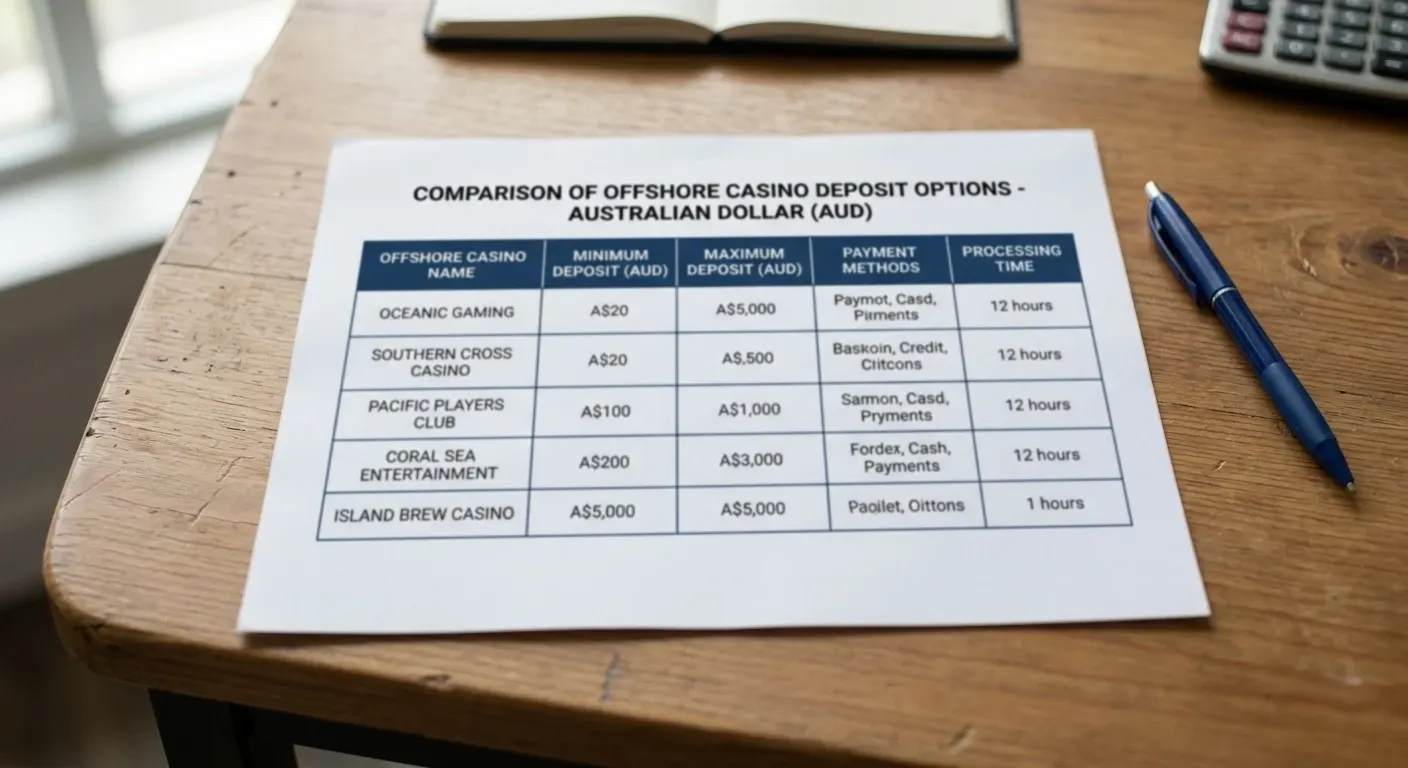
Six offshore operators confirmed to accept deposits below A$10 from Australian players as of 2026, with payment-method floors varying widely within that range. ReefSpins claims A$1 via crypto; Fair Go and Ripper sit at A$5–A$10 depending on method; Ozwin lands at A$5–A$10; Red Stag holds A$10 standard; OzzyBet requires A$20 (above ultra-low threshold but included for completeness due to strong PayID integration and massive game library). None are licensed in Australia — all operate under offshore jurisdictions. Deposit minimums listed by operators often reflect the lowest-possible method (crypto), not the method most accessible to casual AU players (PayID, cards).
The table below compares actual minimums by payment method, withdrawal floors, and distinguishing features. Operators ordered by lowest achievable deposit; payment-method breakdowns clarified where marketing copy glosses over rail-specific thresholds.
| Operator | License | Minimum Deposit | Payment Methods | Withdrawal Minimum | Distinguishing Feature |
|---|---|---|---|---|---|
| ReefSpins | Curaçao eGaming | A$1 crypto, A$10 PayID, A$20 card | BTC/ETH/LTC, PayID, Visa/MC, Neosurf | A$10–A$20 | Lowest crypto floor (0.0001 BTC); A$5 no-deposit bonus separate |
| Fair Go | Curaçao (Deckmedia N.V.) | A$5 flat | Neosurf, POLi, bank transfer, cards | A$10 | RTG-exclusive pokies; established 2017; frequent no-deposit promos |
| Ripper | Curaçao (presumed) | A$5–A$30 variable | PayID (A$10–A$20), crypto (A$5), cards (A$30) | A$10 | 90-second PayID claims; 750% welcome up to A$7,500; variable floors confusing |
| Ozwin | Curaçao eGaming | A$5–A$10 | PayID, Neosurf, BTC, cards | A$10 | 400% welcome match; RTG library 6,500+ games; launched 2020 |
| Red Stag | Curaçao (Deckmedia N.V.) | A$10 | Visa/MC, eZeeWallet, CashtoCode, BTC/LTC | A$10 | WGS platform; Deckmedia reliability; A$1 affiliate claims unverified |
| OzzyBet | Tobique No. 0000002 | A$20 | PayID, cards, e-wallets, 6 cryptos | A$10 | 16,500+ games; launched 2026; 12-min claims vs 72hr terms; new brand |
The spread between advertised minimum and practical floor widens when you layer in bonus activation thresholds. Fair Go’s A$5 deposit floor unlocks gameplay, but the welcome package requires A$20 per deposit to activate. ReefSpins advertises A$1 but its A$300 first-deposit bonus demands A$30 minimum. Ozwin’s 400% match needs A$20–A$25 to trigger. For players depositing A$1–A$5, the experience is base-game access without promotional upside — not necessarily bad if you want pure gameplay, but a mismatch if you assumed “no minimum” included bonus eligibility.
Withdrawal minimums often exceed deposit minimums, creating a cashout trap for ultra-low stakes. ReefSpins accepts A$1 deposits but enforces A$10–A$20 withdrawal floors depending on method. Fair Go and Ripper both require A$10 minimum withdrawal. A player depositing A$5 and winning A$8 cannot cash out until they top up or win enough to cross the threshold. KYC verification applies regardless of stake size; your first withdrawal triggers identity checks whether you deposited A$1 or A$1,000.
ReefSpins Casino — The A$1 Claim (With Method-Dependent Reality)
ReefSpins operates under a Curaçao eGaming license with a 2,500+ game library spanning pokies, live dealer, and table games. The headline A$1 minimum reflects fractional crypto deposits — 0.0001 BTC, roughly A$1–A$5 depending on exchange rates — while PayID requires A$10 and cards A$20. The site launched circa 2023–2024 with an AU/NZ focus, offering AUD account balances to avoid forced currency conversion. Crypto withdrawals settle instantly to one hour; fiat methods take up to three business days. Ownership details remain undisclosed in public materials, typical for white-label structures on Curaçao licenses.
The welcome bonus (100% up to A$300 on first deposit) demands A$30 minimum to unlock, contradicting the A$1 floor for gameplay-only deposits. A separate A$5 no-deposit bonus for AU/NZ players exists, adding to the nomenclature confusion — that’s a promotional free chip, not a deposit minimum. Wagering sits at 40x for bonuses, with withdrawal minimum A$20 for cards and A$10 for PayID. For a player willing to navigate crypto wallets, ReefSpins delivers the lowest confirmed entry in this review set; for a player expecting PayID convenience at A$1, the marketing oversells and the cashier clarifies.
Fair Go Casino — Confirmed A$5 Minimum, RTG Pokies Only
Fair Go runs under Deckmedia N.V. on a Curaçao license, operating since at least 2017 with an established AU reputation. The A$5 minimum deposit applies flat across Neosurf, POLi, bank transfer, and card methods — no method-dependent variability, a rarity in this cohort. The trade-off is a narrower game selection: RTG (RealTime Gaming) pokies exclusively, no live dealer, no multi-provider library. For players familiar with RTG titles like Cash Bandits or Megaquarium, that’s continuity; for players expecting Evolution live tables or Pragmatic Play slots, it’s a limitation.
The welcome package scales to A$1,000 across five deposits, but each deposit needs A$20 minimum to activate bonus tranches, making the A$5 floor useful for exploration without promotional attachment. Fair Go rotates no-deposit bonuses frequently (20 free spins, A$5–A$10 chips with 60x wagering and A$180–A$200 max cashout), a hedge against the limited game variety. Withdrawal times run 24–72 hours post-approval with A$10 minimum cashout. KYC required before first withdrawal. The Deckmedia ownership (shared with Red Stag) brings operational stability and a six-year track record, an outlier among newer ultra-low-entry brands.
Ripper Casino — PayID Integration, Variable Minimums
Ripper targets AU players with PayID deposits settling in 90 seconds and a 3,000+ game library across multiple providers. Minimum deposit varies by method: A$5–A$10 for crypto and e-wallets, A$10–A$20 for PayID depending on account setup, A$30 for some bank transfer and card routes. That spread creates confusion — affiliate sites cite A$5, operator pages list A$30, and the practical floor depends on which cashier screen you land on. License details remain unpublished in reviewed materials; standard offshore restrictions apply.
The 750% welcome bonus up to A$7,500 plus 20 free spins carries 30x wagering, high leverage but also high rollover. PayID integration via CommBank, NAB, Westpac, and ANZ makes Ripper attractive for players avoiding card declines, though the A$10–A$20 PayID floor sits above ultra-low territory. No-deposit offer rotates (20 free spins on Eggstravaganza with 60x wagering, A$100 max cashout as of last review). Withdrawal minimum A$10. For AU players prioritising familiar banking over the absolute lowest entry, Ripper delivers instant deposits and local payment rails; for players chasing A$1–A$5 stakes, the variable minimums require cashier verification before funding.
Ozwin Casino — A$5 Entry, 400% Welcome Leverage
Ozwin launched in 2020 under Curaçao eGaming, building an AU-focused brand around RTG’s 6,500+ game library. Minimum deposit sits at A$5 in multiple affiliate reviews, though some operator FAQs cite A$10; A$5 appears more frequently in primary mentions. The 400% welcome match scales to A$4,000 but requires A$20–A$25 minimum deposit per tranche to activate, creating a two-tier structure: A$5 for base play, A$20+ for bonus leverage. That 400% figure is the highest match percentage in this review set, though the rollover and unlock threshold temper the headline.
PayID, Neosurf, Bitcoin, and card support cover standard AU rails. Withdrawal processing averages 24 hours for crypto, longer for fiat, with A$10 minimum cashout. A rotating no-deposit bonus (A$50 chip plus 100 free spins, code-dependent) runs monthly, separate from the deposit floor. KYC mandatory before first withdrawal. The 2020 launch gives Ozwin a six-year operating history as of 2026, more established than 2026 newcomers like OzzyBet but shorter than Fair Go’s 2017 start. For players prioritising high bonus leverage over the absolute lowest deposit, Ozwin’s 400% match justifies the A$20–A$25 activation threshold; for A$5 depositors, it’s RTG pokies without promotional attachment.
Red Stag Casino — A$10 Standard, Deckmedia Reliability
Red Stag operates under Deckmedia N.V. (same entity as Fair Go) on Curaçao license 8048/JAZ2023-019, running since circa 2015. The A$10 minimum deposit appears consistently across operator FAQs and banking pages; some affiliate sites claim A$1, likely conflating a crypto fractional deposit or referring to a limited-time promo. The WGS Technology (formerly Vegas Technology) platform distinguishes Red Stag from RTG-heavy competitors, offering a different studio’s pokies library — not better or worse, just less common in the AU offshore market.
The welcome bonus scales to A$2,500 plus 500 free spins but demands A$25 minimum deposit per tranche to activate, positioning Red Stag above ultra-low entry once bonuses enter the equation. No-deposit offers rotate (33 free spins with 60x wagering, A$160 max cashout as of last check). Visa, Mastercard, eZeeWallet, CashtoCode, Bitcoin, and Litecoin support the cashier. Withdrawal processing runs 24–72 hours post-KYC with A$10 minimum cashout. The Deckmedia ownership and decade-long track record provide operational continuity lacking in newer brands; the A$10 floor and A$25 bonus threshold push Red Stag toward “low minimum” rather than “ultra-low,” but the reliability compensates.
OzzyBet — A$20 Minimum, Massive Game Library, New Brand
OzzyBet launched in 2026 under Novatrix SRL with Tobique Gaming Commission licence No. 0000002, a lighter-touch jurisdiction than Curaçao or MGA. The A$20 minimum deposit sits above ultra-low threshold but warrants inclusion for its PayID integration, 16,500+ game library (largest in this cohort by count), and AUD native accounts eliminating currency conversion. Payment methods span PayID, cards, e-wallets (Skrill, Neteller, ecoPayz), and six cryptocurrencies (BTC, ETH, LTC, USDT, DOGE, USDC). Withdrawal claims advertise 12-minute averages, but terms state 72-hour processing windows; crypto likely delivers the fast end, fiat the slow.
The welcome package scales to A$30,000 plus 500 free spins across five deposits with 30x wagering on bonus amounts and 3x wagering on deposits before withdrawal — that 3x deposit rollover is higher than most competitors’ silent or 1x requirements. Daily withdrawal limits cap at A$3,000, weekly A$7,500, monthly A$15,000; real-money winnings max at EUR €250,000 equivalent. Game providers include Pragmatic Play, Nolimit City, Play’n GO, Hacksaw, and Evolution, covering high-volatility slots and live dealer depth. 24/7 live chat listed.
The 2026 launch means OzzyBet carries minimal independent track record. The Tobique licence is newer and less scrutinized than Curaçao’s established (if still light-touch) framework. For players valuing game variety and PayID convenience over the absolute lowest deposit, OzzyBet’s 16,500+ titles and instant AU banking justify the A$20 floor; for players seeking A$1–A$5 entry, it’s off-target. Verify KYC early if testing; new brands occasionally face payout friction until operational cadence stabilizes.
Can I really deposit A$1 at an online casino in Australia?
Yes, but only via cryptocurrency at select operators. ReefSpins accepts 0.0001 BTC (roughly A$1–A$5 equivalent depending on exchange rates). PayID minimums sit at A$10–A$20, and cards require A$20–A$30. The “A$1 deposit” claim reflects the lowest-possible method, not the most accessible payment rail for casual AU players.
Why do some casinos advertise “no minimum deposit” but still require A$10 or more?
Because the headline figure refers to the lowest method (often crypto), not all methods. PayID, cards, and e-wallets carry their own minimums dictated by payment processors, banking rails, and operator risk policies. A casino with A$1 crypto minimum may enforce A$20 for Visa — both true, neither false, but the marketing emphasises the lower number.
Payment Methods and Their Real Minimum Deposit Floors
Deposit minimums vary by payment method, not just by casino. An operator advertising “no minimum” may accept A$1 via Bitcoin but require A$10 for PayID, A$20 for Visa, and A$15 for Neosurf. Those floors arise from payment-processor transaction costs, banking-rail settlement rules, and operator risk thresholds. For ultra-low deposits, crypto delivers the lowest practical entry; PayID offers the fastest familiar option at A$10–A$20; cards sit highest at A$20–A$30 and face merchant-category-code declines from AU banks. The table below breaks method-specific realities across the reviewed operators.
| Method | Typical Minimum at AU Casinos | Settlement Speed | Withdrawal Support | Best For |
|---|---|---|---|---|
| Cryptocurrency (BTC, ETH, USDT) | A$1–A$5 (fractional) | Instant–1 hour | Yes, fastest route | True ultra-low stakes; wallet-comfortable players |
| PayID | A$10–A$20 | Seconds–2 minutes | Limited (many deposit-only) | Instant low-mid deposits; bypassing card blocks |
| Visa / Mastercard | A$20–A$30 | Instant | Yes | Familiar UX; higher minimums; declining success rates |
| E-wallets (Skrill, Neteller, ecoPayz) | A$10–A$20 | Minutes | Yes | Mid-range; separate account required |
| Neosurf / POLi | A$10–A$20 | Instant (Neosurf) / minutes (POLi) | No (prepaid) / limited (POLi) | Budget control (Neosurf); bank-based (POLi) |
Crypto’s fractional deposit capability makes it the only route genuinely supporting A$1–A$5 stakes across multiple reviewed operators. A player depositing 0.0001 BTC at ReefSpins pays roughly A$1–A$5 depending on that day’s BTC/AUD exchange rate; volatility risk applies if holding balance in crypto rather than converting to AUD immediately. USDT (Tether) mitigates volatility by pegging to USD, though AU players still face AUD/USD exchange-rate drift. Withdrawal speeds favour crypto — instant to one hour typical, versus 24–72 hours for fiat rails. The trade-off is wallet setup, exchange-account funding, and transaction-fee awareness (blockchain fees can eat into a A$1 deposit if not batched correctly).
PayID bypasses card-network restrictions, settling in seconds to two minutes via the New Payments Platform. Minimum deposits at AU-facing offshore casinos range A$10–A$20 (Ripper A$10–A$20, OzzyBet A$20, ReefSpins A$10). Many operators list PayID as deposit-only, requiring bank transfer or crypto for withdrawals. The instant settlement makes PayID preferable over traditional bank transfers (1–3 business days), but the A$10–A$20 floor pushes it above ultra-low territory. For players depositing A$20–A$50, PayID delivers the best balance of speed, familiarity, and success rate; for players chasing A$1–A$5, it’s out of range.
Cards face two constraints: higher minimums (A$20–A$30 typical) and increasing decline rates from AU banks blocking gambling merchant-category codes. Commonwealth Bank, NAB, Westpac, and ANZ have tightened offshore gambling transaction approvals in recent years, though success rates vary by cardholder agreement and transaction history. When cards work, they offer instant deposits and familiar checkout UX; when they don’t, the decline leaves the player hunting for alternative rails. For ultra-low stakes, cards are least viable — higher floors, declining reliability.
PayID — Australia’s Instant Casino Banking
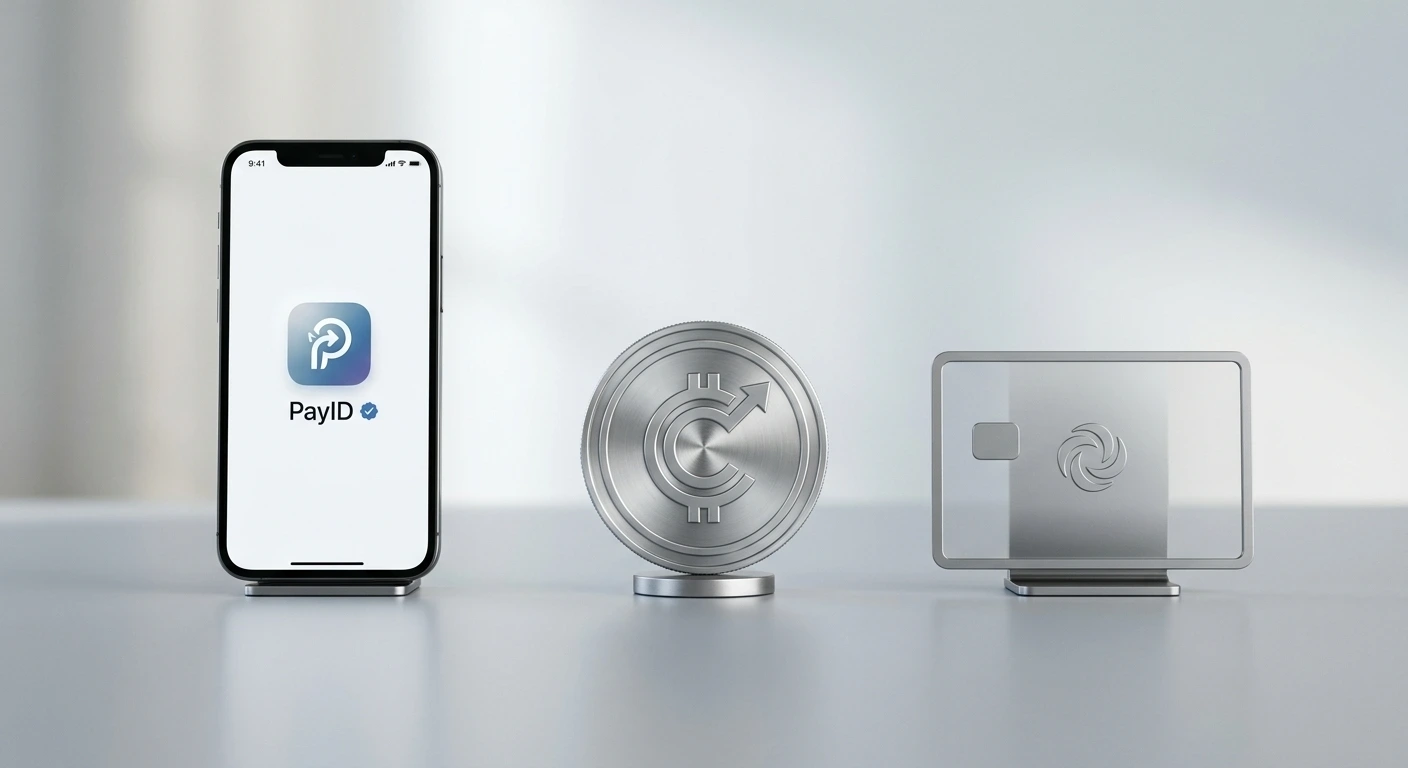
PayID is a payment identifier system operated by NPP Australia Limited, launched February 2018 as a real-time overlay on BSB/account routing. Instead of typing account numbers, users link an email or mobile number to their bank account; payments settle instantly via the New Payments Platform. Over 100 Australian financial institutions support PayID, including the Big Four (CommBank, NAB, Westpac, ANZ). Offshore casinos adopted PayID from 2024 onward as card transaction declines increased, offering AU players a native banking rail that bypasses gambling merchant-code blocks.
Deposit minimums at reviewed operators sit at A$10–A$20. Ripper Casino lists A$10–A$20 depending on account setup; OzzyBet requires A$20; ReefSpins enforces A$10. Settlement happens in seconds to two minutes — you initiate the transfer in your banking app, the casino account balance updates near-instantly, and you begin play without waiting. Withdrawal support is less consistent; many operators list PayID as deposit-only, requiring bank transfer (1–3 business days) or crypto for cashouts. The deposit-only limitation reflects operator payout workflows, not a PayID technical constraint.
The key advantage over cards is bypassing merchant-category-code restrictions. AU banks declining international gambling card transactions cannot block PayID because it’s a general-purpose bank transfer, not a card-network transaction. That makes PayID the most reliable AU-specific deposit method for offshore casinos as of 2026. The A$10–A$20 floor, however, excludes it from true ultra-low entry — players depositing A$1–A$5 need crypto.
Cryptocurrency — The True Ultra-Low Floor
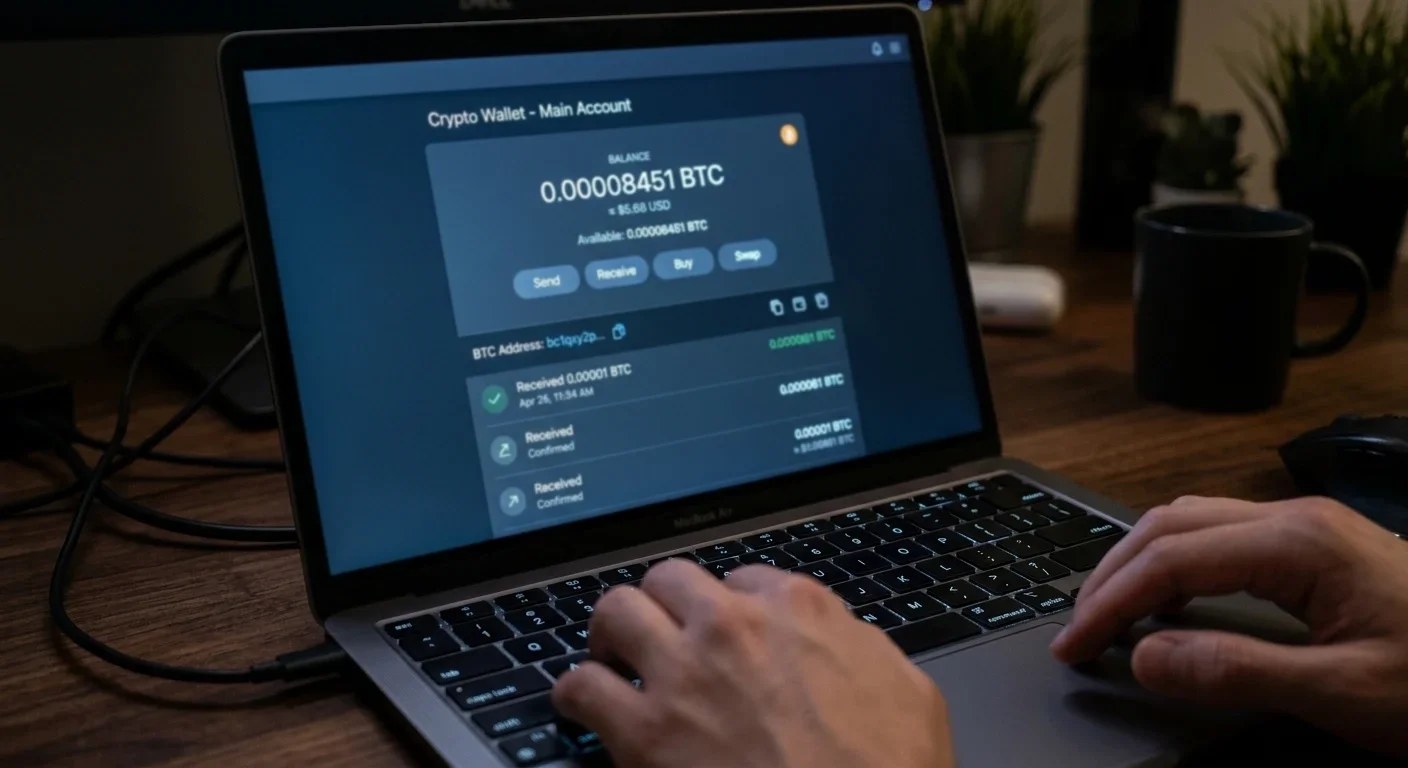
Bitcoin, Ethereum, and Tether support fractional deposits below A$5 across all reviewed operators offering crypto rails. ReefSpins accepts 0.0001 BTC (roughly A$1–A$5 at 2026 exchange rates); Fair Go, Ripper, Ozwin, Red Stag, and OzzyBet support similar fractional minimums. That fractional capability — you can send 0.0001 BTC, 0.001 ETH, or A$1 USDT — makes crypto the only payment method genuinely supporting A$1–A$3 deposits at scale. No intermediary (bank or processor) to impose transaction minimums; the blockchain accepts any non-dust amount, and the casino sets its floor.
Withdrawal speed favours crypto heavily. Operators process crypto cashouts in minutes to hours (instant to one hour typical once approved), versus 24–72 hours for fiat bank transfers. The speed differential compounds at ultra-low stakes — a player depositing A$5 and winning A$15 can withdraw via crypto the same day, while a fiat cashout might take three business days and trigger higher withdrawal minimums. KYC still applies; crypto does not bypass identity verification at licensed casinos, but it does bypass banking-layer friction.
Volatility risk applies to BTC and ETH. A player depositing A$5 worth of Bitcoin may find their balance worth A$4.50 or A$5.50 hours later depending on price swings. USDT (Tether) mitigates this by pegging to USD, though AU players still face AUD/USD exchange drift (typically sub-1% daily, less volatile than BTC’s 2%–5% swings). Casino account balances usually display in AUD equivalent, converting at deposit time; winnings withdraw in the same crypto denomination you deposited. Exchange fees and blockchain transaction fees (gas) can eat into ultra-low deposits if not managed — depositing A$1 via Ethereum during high-gas periods may cost A$2–A$5 in fees, nullifying the low minimum. Bitcoin and USDT on Tron or Polygon offer lower fee alternatives.
Cards and E-Wallets — Higher Minimums, Less Friction
Visa and Mastercard minimums at reviewed operators sit at A$20–A$30, higher than PayID and well above crypto’s fractional floors. ReefSpins requires A$20 for cards; Fair Go accepts cards at A$5 flat (an outlier); Ripper, Ozwin, Red Stag, and OzzyBet land at A$20–A$30. The higher floors reflect card-network interchange fees and operator risk models — small-value card transactions cost proportionally more to process. For players depositing A$50+, cards offer instant settlement and familiar checkout; for ultra-low stakes, they’re least suitable.
Declining success rates compound the floor issue. AU banks have tightened merchant-category-code restrictions on international gambling transactions since 2024, particularly for offshore operators outside traditional acquirer relationships. A card deposit may succeed at Fair Go (Deckmedia’s established processor relationships) but decline at a newer brand like OzzyBet. The decline isn’t player-specific — it’s the bank blocking the merchant category. When cards work, they’re convenient; when they don’t, PayID or crypto becomes necessary.
E-wallets (Skrill, Neteller, ecoPayz) sit at A$10–A$20 minimums, mid-range between cards and crypto. They offer faster setup than crypto wallets, familiar web-checkout UX, and withdrawal support at most operators. The trade-off is needing a separate e-wallet account, funding that account via bank transfer or card (adding a layer), and facing e-wallet withdrawal fees (Skrill and Neteller charge 1%–2% on cashouts). For players already using e-wallets for other purposes, they’re a solid low-mid option; for players starting fresh, PayID or crypto offer fewer intermediaries.
Which payment method has the lowest minimum deposit — PayID, cards, or crypto?
Cryptocurrency offers the lowest practical minimum at A$1–A$5 via fractional deposits (0.0001 BTC, A$1 USDT). PayID requires A$10–A$20 at most AU-facing offshore casinos. Cards demand A$20–A$30 and face increasing decline rates from AU banks blocking gambling transactions. For true ultra-low entry, crypto is the only viable route.
The Reality Check — Is a A$1 Deposit Actually Worth It?
A A$1 deposit grants account access and base-game play but rarely delivers practical cashout potential or bonus eligibility. Withdrawal minimums at reviewed operators range A$10–A$50, meaning a player depositing A$1 and winning A$8 cannot withdraw until topping up or grinding to the cashout threshold. Bonus unlock requirements sit at A$20–A$30 typical, excluding ultra-low depositors from welcome packages and reload matches. Game selection at A$1 stakes skews toward low-volatility pokies; high-volatility slots and live dealer tables often carry minimum-bet floors (A$0.20–A$1 per spin or hand) that burn through a A$1 balance in minutes.
Withdrawal minimums create a cashout trap. ReefSpins accepts A$1 deposits but enforces A$10–A$20 withdrawal floors depending on method. Fair Go and Ripper require A$10 minimum cashout. Ozwin, Red Stag, and OzzyBet all cap at A$10. A player depositing A$5 and winning A$12 can withdraw; a player depositing A$1 and winning A$8 cannot. The gap between deposit minimum and withdrawal minimum forces either a top-up deposit (bringing total spend above the “test” threshold) or extended play to cross the cashout floor (risking the initial win). For true testing without commitment, no-deposit bonuses (free A$5–A$10 chips with capped withdrawals) deliver better value than A$1 real-money deposits.
Bonus unlock thresholds contradict “no minimum” marketing. Fair Go’s A$5 deposit floor opens gameplay, but the A$1,000 welcome package requires A$20 per deposit to activate tranches. ReefSpins’ A$1 crypto minimum is real, but its A$300 first-deposit bonus demands A$30. Ozwin’s 400% match needs A$20–A$25. Red Stag’s A$2,500 package won’t trigger below A$25. OzzyBet’s A$30,000 multi-deposit offer requires A$20 per tier. The pattern holds across the cohort: ultra-low deposits buy gameplay access without promotional leverage. For players expecting “no minimum deposit” to include bonus eligibility, the fine print reveals a two-tier structure — base play at A$1–A$5, bonus play at A$20+.
Game selection at ultra-low stakes favours low-volatility pokies where A$0.10–A$0.20 spins stretch a A$1–A$5 balance across 20–50 rounds. High-volatility Megaways, bonus-buy slots, and jackpot titles demand A$0.50–A$2 per spin, burning A$5 in 5–10 rounds without a hit. Live dealer tables enforce A$1–A$5 minimum bets per hand (baccarat, blackjack, roulette), making a A$1 deposit good for one hand. Table games like poker or specialty games carry similar floors. The A$1 deposit is tactically viable for testing software UX, cashier speed, and support responsiveness — not for extended gameplay or realistic win potential.
KYC verification applies regardless of deposit size. Your first withdrawal triggers identity checks whether you deposited A$1 or A$1,000 — passport or driver’s license, proof of address (utility bill, bank statement), sometimes a selfie holding ID. Processing time ranges 24 hours to several business days. A player depositing A$5, winning A$15, and attempting withdrawal will wait on KYC approval before funds release. The A$1 deposit does not grant a “lite” cashout path; full verification applies.
The honest use case for A$1–A$5 deposits: testing an operator before committing A$50+. You can assess game-library depth, check whether your preferred payment method works, confirm the cashier accepts your bank, and gauge support response times (via chat inquiry about deposit confirmation). You cannot realistically profit, unlock bonuses, or play high-variance games. For that honest use case, A$5–A$10 delivers better value than A$1 — enough for 50–100 low-stake spins, enough to cross withdrawal minimums if you win, and enough to test responsibly without feeling you’ve committed serious capital.
If I deposit A$5, can I withdraw my winnings, or is there a minimum cashout amount?
Most reviewed operators enforce A$10 minimum withdrawal. If you deposit A$5 and win A$12, you can cash out. If you win A$8, you cannot withdraw until topping up or winning more to cross the A$10 threshold. Check the operator’s banking page for withdrawal minimums before depositing — they often exceed deposit minimums.
Is a A$1 deposit actually worth it, or just a marketing gimmick?
A A$1 deposit is tactically useful for testing software, cashier speed, and payment-method compatibility before committing larger amounts. It is not viable for extended gameplay, bonus eligibility, or realistic profit potential due to withdrawal minimums (A$10–A$50), bonus unlock thresholds (A$20–A$30), and limited spins at ultra-low stakes. For genuine testing, A$5–A$10 delivers better functional value than A$1.

The Australian Legal Picture — Why These Are All Offshore Operators
Australia does not license online casino games for public consumption under the Interactive Gambling Act 2001 (IGA). The Act prohibits interactive gambling service providers from offering online casino games, in-play sports betting, and unlicensed betting services to people in Australia. Exceptions exist for licensed sports betting and state-run lotteries; online casinos are banned at the supply side. The Australian Communications and Media Authority (ACMA) enforces the IGA through ISP-level domain blocking and payment-processor guidance, but the Act does not criminalize players who access offshore casinos. Every operator reviewed here operates outside Australian jurisdiction under offshore licenses — primarily Curaçao, with OzzyBet on a Tobique licence.
The August 2026 amendment (Interactive Gambling Amendment (Gambling Reform) Act 2026, No. 72) reinforced the supply-side prohibition and added consumer-protection layers around advertising restrictions and youth exposure. It did not alter the core ban on online casino services offered to Australian residents. Offshore operators continue accepting AU players because the IGA targets service provision, not participation. A player accessing an offshore casino is not committing a criminal offence; the operator offering services to that player is in breach of Australian law but operates beyond ACMA’s enforcement reach.
What “licensed” means for an offshore operator: Curaçao eGaming issues licenses to operators incorporated in Curaçao, subjecting them to that jurisdiction’s regulatory oversight. That oversight is lighter-touch than Tier-1 regulators like the UK Gambling Commission or Malta Gaming Authority — Curaçao does not mandate independent audits, public RTP reporting, or centralized dispute resolution. A Curaçao license confirms the operator paid for regulatory approval and meets baseline incorporation standards; it does not guarantee player protection at UK or AU standards. Fair Go, ReefSpins, Ripper, Ozwin, and Red Stag all hold Curaçao licenses. OzzyBet operates under Tobique Gaming Commission (a newer, even lighter-touch jurisdiction). None hold Australian licenses because none exist.
ACMA blocks domains via ISP-level DNS filtering when an offshore operator is identified as breaching the IGA. Blocked domains become inaccessible on Australian residential internet connections unless bypassed via VPN or alternative DNS. Operators respond by launching mirror domains; ACMA blocks those; the cycle repeats. Payment processors sometimes decline transactions to flagged operators, though PayID (a bank-transfer rail) and crypto (decentralized) bypass most blocks. ACMA does not prosecute individual players. The enforcement focus remains on supply-side disruption — blocking access and payment channels, not criminalizing consumption.
The practical implication for players: you are accessing offshore operators in a legal grey zone where supply is prohibited but participation is not criminalized. You have no recourse through Australian consumer-protection mechanisms if a dispute arises. Offshore operator licenses (Curaçao, Tobique) provide baseline regulatory oversight but not the player-protection frameworks of AU-licensed sports betting or UK-licensed casinos. Responsible gambling tools (deposit limits, self-exclusion) are operator-dependent, not mandated by a central AU regulator. You assume counterparty risk (will the operator pay withdrawals?) without local legal remedy.
Are no minimum deposit casinos legal for Australian players?
The casinos themselves are not licensed in Australia and operate in breach of the IGA’s supply-side prohibition. Accessing and playing at offshore casinos is not criminalized under Australian law — the IGA targets service providers, not players. You assume regulatory and counterparty risk by playing at offshore operators, as Australian consumer-protection mechanisms do not apply. All reviewed operators hold offshore licenses (Curaçao, Tobique), not Australian licenses.
How to Choose the Right Low-Deposit Casino for Your Budget
Match deposit amount to payment method availability before choosing an operator. If you want to deposit A$1–A$5, crypto is your only practical route; expect wallet setup, exchange-account funding, and volatility management (USDT for stability, BTC/ETH for broader acceptance). If you prefer PayID convenience, budget A$10–A$20 minimum and target Ripper, ReefSpins, or OzzyBet. If cards are your only option, expect A$20–A$30 floors and declining success rates — have a PayID or crypto backup ready.
Check withdrawal minimums before depositing, not after winning. A$10 is standard across Fair Go, Ripper, Ozwin, Red Stag, and OzzyBet; ReefSpins sits at A$10–A$20 depending on method. If you deposit A$5, ensure you’re comfortable playing to A$10+ before attempting cashout. A player depositing A$5, winning A$8, and discovering a A$10 withdrawal floor faces either topping up (bringing total spend above the test threshold) or grinding through the gap (risking the win). Confirming the floor beforehand sets realistic expectations.
Verify KYC early to avoid cashout delays. Upload passport or driver’s license, proof of address, and any requested selfies during the deposit stage, not after requesting withdrawal. Processing times range 24 hours to several business days; early submission means your documents are approved before you need them. A player depositing A$5, winning A$15, and requesting withdrawal without prior KYC will wait days for approval while the win sits locked. Submitting documents immediately after account creation clears the path for smoother cashouts.
Assess bonus value separately from deposit floor. An operator advertising A$1 minimum but requiring A$30 to unlock the welcome bonus offers two distinct experiences: gameplay-only at A$1, promotional leverage at A$30. Decide whether you want bonus participation before depositing. If yes, deposit the bonus-unlock threshold (A$20–A$30 typical) and accept the higher commitment. If no, deposit your test amount (A$5–A$10) and ignore bonus prompts. Depositing A$5 while expecting A$1,000 welcome-package access leads to disappointment; the bonus terms are separate from the base deposit floor.
For a player with A$5 to spend, Fair Go or Ripper deliver the best combination of low entry (A$5 confirmed), established track record (Fair Go since 2017, Ripper multi-year AU presence), and realistic cashout potential (A$10 withdrawal minimum, achievable with moderate win). ReefSpins offers lower crypto entry (A$1–A$5) but demands wallet comfort and carries withdrawal minimums (A$10–A$20) that may exceed the initial deposit. Ozwin and Red Stag sit at A$5–A$10 deposit, A$10 withdrawal, suitable if you want RTG or WGS libraries. OzzyBet’s A$20 floor and 2026 launch push it toward low-mid stakes with higher game variety, less track record.
Do I need to complete KYC verification to withdraw from a A$5 deposit?
Yes. KYC (identity verification) applies to all withdrawals regardless of deposit size. You will need to provide passport or driver’s license, proof of address (utility bill, bank statement), and sometimes a selfie holding ID. Upload documents early — during or immediately after deposit — to avoid delays when requesting cashout. Processing takes 24 hours to several business days.

Responsible Gambling — Setting Limits at Low-Entry Casinos
Low deposit minimums reduce the financial barrier to entry but do not reduce gambling harm potential. A player depositing A$5 twenty times across a week spends A$100 — the same total as a single A$100 deposit, but the incremental nature can obscure the aggregate. Set deposit limits in your account settings to cap weekly or monthly spend regardless of per-transaction size. Most reviewed operators offer limit-setting tools; use them before the first deposit, not after a loss streak prompts reflection.
Time limits matter as much as deposit limits. Ultra-low deposits extend session time by encouraging “just one more top-up” when balance depletes. A player depositing A$5, losing it in fifteen minutes, depositing another A$5, and repeating creates a spend pattern disguised by small individual transactions. Set session timers or use operator-provided reality checks (pop-ups reminding you of elapsed time and spend) to maintain awareness. If you find yourself topping up repeatedly within a single session, that’s a behavioural signal to pause.
Self-exclusion tools remain available at low-entry casinos. If you recognise problematic patterns — chasing losses, depositing beyond planned budgets, gambling to escape stress — use the operator’s self-exclusion feature to block account access for a set period (1 month, 3 months, 6 months, permanent). Offshore operators vary in self-exclusion robustness (no centralized AU exclusion registry like GamStop in the UK), but Fair Go, Ripper, Ozwin, Red Stag, and OzzyBet list exclusion options in responsible-gambling sections. Activating self-exclusion early, when you first notice harm, prevents deeper financial and emotional damage later.
External support resources operate independent of casino operators. Gambling Help Online (1800 858 858) provides 24/7 phone and webchat counseling for Australian residents. Lifeline (13 11 14) offers crisis support. Relationships Australia and Mensline Australia provide family and personal counseling when gambling harms relationships. These services are free, confidential, and accessible regardless of whether you deposited A$5 or A$5,000. Seeking help early improves outcomes; waiting until financial or relational damage is severe makes recovery harder.
Low-entry casinos can serve as responsible-testing environments if used with discipline: deposit A$5–A$10, play for a set time, assess the experience, and stop. They can also enable incremental harm if used impulsively: repeated A$5 top-ups across hours or days, chasing losses, ignoring aggregate spend. The deposit floor does not determine the outcome; the player’s approach and limit-setting do. If testing a casino, set a total budget (e.g. A$20 max across all deposits), stick to it regardless of outcomes, and treat any loss as the cost of exploration rather than a deficit to recoup.
Min Deposit Casinos Australia 2026 — $1, $5, $10, $20 Guide
Content created by the «AussiePay» team