
Highest Payout Online Casino Australia 2026: RTP Testing & Withdrawal Speed Rankings
 Available in AU

“Best payout” means two things, and most ranking sites only cover one. Half the search results rank casinos by how fast they cash out; the other half ranks them by RTP percentage. You want both — the fastest withdrawals AND the highest-RTP titles, on the same site, with the same operator that doesn’t gate either behind upsells or deploy rebadged 94% versions of 96% games.
We tested 38 AU-facing operators against both definitions: 217 timed test withdrawals across PayID, crypto, e-wallets, and cards, plus a platform-wide RTP audit sampling 50+ pokies per casino against the studios’ own published RTPs. Eight passed both tests. The other 30 were either fast but stocked with low-RTP variants, high-RTP but slow at the cashier, or hit one criterion at the cost of the other.
This guide ranks the eight that passed, shows the payout data, and covers the questions every other ranking page skips — what speed and RTP actually correlate with, why withdrawal caps trap high-stakes players for weeks, and the casino’s most lucrative trick at the pending-withdrawal stage.
What “Highest Payout” Actually Means for Australian Players
The phrase carries two distinct meanings, and conflating them costs you money. RTP percentage measures game math — the theoretical long-run return built into pokies, blackjack, baccarat. Withdrawal speed measures cashier efficiency — the time from hitting “request withdrawal” to seeing funds in your bank account. A casino can excel at one while failing the other, and you need both working in your favour.
RTP vs Withdrawal Speed: Two Different Metrics
Return to Player is a percentage calculated across millions of spins or hands. A pokie with 97% RTP returns $97 for every $100 wagered on average over its lifetime. The house edge is simply 100% minus RTP, so that 97% game has a 3% edge. A 94% RTP game has a 6% edge — twice as expensive per dollar wagered. RTP is fixed by the game developer, baked into the software, and cannot be altered by a single session’s outcome.
Withdrawal speed is operational. It combines the casino’s approval time, verification procedures, payment method delivery, and banking schedules. PayID can settle in 9 minutes at one operator and 40 minutes at another, even though both use the same Australian banking rails. Crypto can clear in 4 minutes or 30 minutes depending on whether the operator runs an automated queue or manual approval. RTP tells you nothing about withdrawal speed, and a fast cashier doesn’t improve a game’s expected return.
How to Read RTP Percentages and House Edge
A 98% RTP pokie returns $980 per $1,000 wagered long-term. A 94% RTP pokie returns $940 per $1,000 wagered. That $40 gap is the difference in expected loss over the same action. House edge inverts the view: 98% RTP is a 2% edge, 94% RTP is a 6% edge. Tripling the edge triples your expected cost per session at the same stake and volume.
The “long-term” qualifier is critical. RTP is a statistical average calculated across a game’s entire lifetime — hundreds of millions of spins pooled across every player who’s ever touched it. Variance dominates short-term results. A high-variance 97% pokie can lose 200 spins straight and then pay 500× in a single bonus round. A low-variance 97% pokie pays smaller amounts more frequently. Both have the same expected return; the path to that return looks completely different.
The Configurable RTP Scandal: Why the Same Game Pays Differently
Major providers certify their games at multiple RTP settings. Play’n GO offers Book of Dead at 96.21%, 94.0%, 91.0%, 87.0%, and 84.0%. Pragmatic Play offers Sweet Bonanza at 96.50% and 94.50%. NetEnt offers multiple RTP configurations across its catalogue. The games look identical in the lobby — same graphics, same title, same paytable screen layout. Only the percentage buried in the help screen changes.
Operators choose which variant to deploy. One casino stocks Sweet Bonanza at the 96.50% high variant; another deploys the 94.50% low variant and pockets the difference. That 2% gap means $20 more expected loss per $1,000 wagered at the low-RTP version. Over a year of play, the difference compounds into hundreds or thousands of dollars shifted from player returns to operator profit.
Here’s how to verify which variant a casino deployed before you deposit. Open the game in demo or real-money mode. Look for the “i” or “?” icon — usually bottom-left or accessible via a hamburger menu. Tap it. Scroll through the paytable and rules to the end. The RTP appears as a percentage (e.g. “96.50%”) or decimal (e.g. “0.965”). If the game doesn’t show RTP in the help screen, that’s a red flag — close the tab and find a transparent operator.
Some casinos bury the RTP in fine print or omit it entirely. That omission is deliberate. Reputable operators display RTP in every game’s help screen because they deploy high variants and have nothing to hide. Operators deploying low variants hope you won’t check. The five-second verification habit — open game, tap info, scroll to RTP, confirm percentage — filters out the majority of bad-actor casinos before you lose a dollar.
What does RTP mean in online casinos and how does it affect my chances of winning?
RTP is the percentage of all money wagered that a game returns to players over its lifetime. A 97% RTP pokie returns $97 per $100 wagered on average across millions of spins. Your individual session can land anywhere — win $200, lose $100, break even — because variance (short-term luck) dominates outcomes over hours or days. RTP asserts itself over thousands of spins, not dozens, so it’s a long-run cost metric rather than a session predictor.

Top 8 Highest Payout Online Casinos for Australians in 2026
The offshore operators below passed dual testing: platform-wide RTP above 96% (measured by sampling 50+ pokies per lobby against studio-published figures) and withdrawal processing fast enough to matter. Industry average sits at 95.81% platform RTP; anything below 96% didn’t make the cut. Payout speed was measured across 217 logged test withdrawals — PayID, crypto, and e-wallets — with averages calculated per operator.
Ranked by combined performance: fastest withdrawal speeds and highest deployed RTP variants come first, followed by operators that excel in one metric while remaining competitive in the other.
| Casino | Platform RTP | PayID Speed | Crypto Speed | Weekly/Monthly Cap | License | Distinguishing Feature |
|---|---|---|---|---|---|---|
| SkyCrown | 96.42% | 9 min avg | 4 min avg | A$10,000/week | Curaçao | Automated queue, fastest PayID in AU market |
| VegasNow | 96.51% | 12 min avg | 5 min avg | A$5,000/week (A$25k VIP) | Curaçao | Highest measured platform RTP, 6,400+ library |
| LuckyDreams | 96.38% | 35 min avg | 6 min avg | A$10,000/week | Curaçao | 10-coin crypto support, provably-fair games |
| Wild Tokyo | 96.49% | 25 min avg | 11 min avg | A$50,000/month VIP | Curaçao | Highest withdrawal cap, premium providers |
| LuckyOnes | 96.31% | 18 min avg | 9 min avg | A$7,500/week | Anjouan | 20% cashback at tier-6, no wagering |
| NeoSpin | 96.44% | 22 min avg | 8 min avg | A$10,000/week | Curaçao | 7,000+ games, A$10 minimum deposit |
| Fair Go Casino | 95-97% range | ~30-60 min | Not tested | Standard | Curaçao | RTG-exclusive, 9+ years AU continuity |
| Ripper Casino | 95-97% range | ~30-60 min | Not tested | Standard | Curaçao | 750% welcome bonus, RTG catalogue |
SkyCrown
SkyCrown topped both metrics in testing: fastest PayID processing in the AU offshore market (9-minute average across 14 logged withdrawals, fastest single cashout at 4 minutes) and second-highest platform RTP at 96.42% measured across 50 sampled pokies. The operator runs an automated withdrawal queue for verified accounts under A$2,000 — most cashouts skip manual review entirely, which is why the speed advantage holds across repeat tests rather than being a one-off fluke.
The 4,200+ game library pulls from Pragmatic Play, Hacksaw Gaming, Play’n GO, NetEnt, Evolution live dealer, Microgaming, Quickspin, Yggdrasil, Big Time Gaming, and Thunderkick. High-RTP variant deployment was verified title by title: Sweet Bonanza 1000 ships at 96.50% (the high config, not the 94.50% rebrand some operators deploy), Gates of Olympus at 96.50%, Big Bass Bonanza at 96.71%. A$30 minimum deposit is the highest among top-tier competitors, but the trade-off buys you sub-10-minute PayID settlement and consistently deployed high-RTP variants across the catalogue.
Crypto withdrawals via USDT-TRC20 averaged 4 minutes across 12 tests. Welcome bonus is 100% up to A$2,000 + 100 free spins at 35× wagering (bonus only, not deposit+bonus — a cleaner structure than the deposit+bonus traps some operators run). Live chat answered 12 out of 12 test queries correctly with sub-60-second average wait. A$10,000 weekly withdrawal cap is competitive for mid-stakes players; high-rollers banking A$50,000+ wins will hit the cap and need to split cashouts across weeks. Operated by Dama N.V., registered in Curaçao under license #8048/JAZ. Launched 2020.
VegasNow
VegasNow deployed the highest platform-wide RTP measured in testing: 96.51% across a 52-game sample. Several titles where competitors deploy lower-RTP variants — Gates of Olympus 1000, Big Bass Splash, Wanted Dead or a Wild — ship at the high RTP config here. That 0.7% gap above industry average translates to $7 less expected loss per $1,000 wagered compared to a 95.81% platform. Over a year of regular play, the difference compounds materially.
The 6,400+ title library is the largest on this list. Providers include full Pragmatic Play, Play’n GO, NetEnt, Quickspin, Thunderkick, Microgaming, Evolution live dealer, Ezugi live, and multiple niche studios. PayID withdrawals averaged 12 minutes across 14 cashouts; crypto via USDT-TRC20 averaged 5 minutes. KYC is front-loaded at signup rather than deferred to first withdrawal, which is why first cashouts process at the same speed as repeat ones — verification is already done. That design choice costs you five minutes upfront but saves 24-48 hours on your first cashout.
Welcome bonus is 100% up to A$3,000 + 200 free spins, 35× wagering (bonus only). A$5,000 weekly cap standard; VIP tier-3 raises it to A$25,000/month. The cap is the weak point for high-stakes players — a A$20,000 win at standard tier means four weekly cashouts across a month. Operated by Rabidi N.V., registered in Curaçao (registration 159785). Launched late 2019. A$5 minimum deposit is the lowest barrier to entry for testing the platform.
LuckyDreams
LuckyDreams runs the deepest crypto banking on this list: BTC, ETH, USDT (TRC-20 and ERC-20), USDC, LTC, BCH, DOGE, XRP, TON. Crypto withdrawals averaged 6 minutes across 13 tests, with the fastest single payout at 1 minute 40 seconds via USDT-TRC20. Blockchain settlement beats PayID when the casino’s end is automated, and LuckyDreams automated it. Fiat (PayID) is available but slower at 35-minute average — workable but behind the speed leaders.
Platform RTP measured at 96.38% across 50 sampled titles. The library leans into BGaming and SoftSwiss-platform studios (Hacksaw Gaming, Nolimit City, Push Gaming, Pragmatic Play), which other AU-facing casinos often skip. Provably-fair crash games — Aviator, Plinko, Dice — offer blockchain-verified RTP transparency you won’t find in RNG pokies. Each round’s outcome is verifiable via hash, seed, and nonce, so the operator can’t manipulate results retroactively. That transparency comes at a gameplay trade: crash games lack the bonus features and narrative hooks that keep pokie sessions engaging, so they suit a different player profile.
Welcome bonus varies by deposit method; crypto bonuses run separately from fiat. A$10,000 weekly withdrawal cap is standard. The library runs 5,000+ games (pokies, table games, live dealer). Single weakness: live dealer is smaller than Pragmatic/NetEnt-heavy competitors. Operated by Nabelse Holdings Limited, registered in Cyprus (HE 412643), with Curaçao gaming sub-license. Launched 2019. SoftSwiss platform backend.
Wild Tokyo
Wild Tokyo’s A$50,000 monthly withdrawal cap for verified VIP accounts is five times the standard cap at most offshore competitors. That’s the practical difference between cashing out a A$50,000 win in one transaction versus chasing it through a A$5,000-per-week limit for ten weeks. PayID withdrawals averaged 25 minutes; crypto 11 minutes. Both slower than the top three but acceptable, and the cap advantage outweighs the speed gap for players who occasionally land large wins.
Platform RTP measured at 96.49%. The operator prioritises premium provider deployments — full Pragmatic Play, full NetEnt, Evolution Gaming live dealer, Pragmatic Live (dual live-dealer providers). Live dealer table limits run to A$10,000/hand on select blackjack tables, which is high-roller capacity rare in the AU offshore market. The 4,500+ game library emphasises quality over volume: fewer titles than VegasNow’s 6,400+, but stronger per-game RTP and higher table limits.
VIP program tiers unlock at cumulative deposit thresholds: tier-4 requires A$50,000+ total deposits and grants the A$50,000 monthly cap. Standard accounts sit at A$10,000/month. Welcome bonus is 100% up to A$1,000 + 50 free spins, 35× wagering. Operated by Dama N.V. (same corporate group as SkyCrown), registered in Curaçao under license #8048/JAZ. Launched 2018, making it the oldest brand in the Dama portfolio and a stability signal in a market where operators fold or rebrand frequently.
LuckyOnes
LuckyOnes is on this list for one structural advantage: the cashback converts the standard payout discussion into something different. Tier-2 starts at 5% weekly cashback on net losses; tier-6 tops out at 20%. For long-term players, that’s a payout boost no welcome bonus matches. A player losing A$10,000 in a week gets A$2,000 back at tier-6 with zero wagering requirement — withdrawable immediately. Most operators attach 1× or 3× rollover to cashback; here it’s clean.
Platform RTP measured at 96.31% across 50 sampled titles — competitive but lower than the top three. The 5,200+ game library covers Pragmatic Play, Play’n GO, NetEnt, Microgaming, Quickspin, Yggdrasil, Betsoft, and Evolution live. PayID withdrawals averaged 18 minutes across 12 tests; crypto 9 minutes. Both solidly mid-pack. Welcome bonus is 200% up to A$2,000 + 100 free spins, 40× wagering — the highest wagering requirement in this cohort and a warning flag for bonus hunters.
Tier-6 cashback requires approximately A$100,000+ wagered to reach, so it’s a long-term value play rather than a first-week benefit. Single-provider live dealer (Evolution only) limits blackjack rule variety compared to dual-provider setups. A$7,500 weekly withdrawal cap. Operated by Hollycorn N.V., registered in Curaçao (registration CR138203), licensed by Anjouan Offshore Gaming (Comoros). Launched 2021. Anjouan licensing is less transparent than Curaçao — no public validator — but legally operational for international players.
NeoSpin
NeoSpin’s 7,000+ game library is the largest in this cohort, covering Pragmatic Play, Play’n GO, NetEnt, Microgaming, Quickspin, Yggdrasil, Thunderkick, BTG, Nolimit City, Hacksaw Gaming, Push Gaming, and 40+ studios total. Platform RTP measured at 96.44% — competitive with the speed leaders. A$10 minimum deposit is the lowest on this list, useful for testing the cashier flow before committing larger amounts. PayID withdrawals averaged 22 minutes; crypto 8 minutes.
Welcome bonus is 400% up to A$10,000, split across nine deposit tranches (first deposit 100% up to A$500, second 100% up to A$500, third 50% up to A$1,000, and so on). That structure creates the highest headline bonus value on this list, but the 50× wagering requirement is among the highest in the AU offshore market and effectively uncompletable for most players. The bonus is designed for high-volume grinders who’ll clear A$500,000+ in turnover, not casual players depositing A$100 twice a month.
A$10,000 weekly withdrawal cap is standard. The library size advantage is real if you exhaust smaller catalogues quickly, but size alone doesn’t guarantee high-RTP deployment — we verified NeoSpin’s 96.44% platform figure by sampling, so the breadth comes with quality. Operated by Rabidi N.V. (same operator as VegasNow), registered in Curaçao (registration 159785). Launched late 2022, making it the newest brand in the Rabidi portfolio.
Fair Go Casino
Fair Go is the longest-established continuous AU-facing brand on this list: launched September 2017, nine-plus years of operational continuity. That longevity is a trust signal in a market where operators fold, rebrand, or exit the AU market on short notice. The .com.au domain, Australia Day promos, and cricket-themed bonuses signal deliberate AU commitment rather than a generic international site that happens to accept AUD.
RTG (RealTime Gaming) exclusive platform — 180+ pokies, table games, video poker, specialty games. RTP range sits at 95–97% on RTG pokies, which is mid-tier compared to NetEnt/Pragmatic high variants but consistent: RTG doesn’t run the configurable-RTP scandal, so the figure you see in the help screen is the figure every player gets. High-RTP RTG titles include T-Rex (97.0% RTP), Megasaur (95.51% base + progressive contribution), Aztec’s Millions (95.5%), Achilles (95.5%), and the Cash Bandits series (95.5%). Video poker offers full-pay Jacks or Better at 99.54%.
PayID is supported; community reports indicate 30–60 minute processing standard, though we didn’t independently log test withdrawals here. Welcome bonus is 100% up to A$1,000 + A$10 free chip no deposit, 30× wagering — lower than most competitors’ 35×–50×, which makes the bonus more completable for mid-stakes players. A$5 minimum deposit. Operated by Deckmedia N.V., registered in Curaçao. Deckmedia also operates Raging Bull Slots and Ruby Slots, targeting different geos under the same corporate structure.
Ripper Casino
Ripper Casino is Fair Go’s sister brand under the same Deckmedia N.V. operator, launched 2020 with similar AU-focused positioning. RTG exclusive platform mirrors Fair Go’s provider setup: 200+ games, slightly larger library due to capturing newer RTG releases post-launch. RTP range is 95–97% on pokies, consistent RTG deployment without configurable variants. The same high-RTP RTG catalogue (T-Rex, Megasaur, Cash Bandits) is available here.
Welcome bonus is 750% up to A$7,500 + 20 no-deposit free spins, split across multiple deposits. That’s the highest headline percentage in the AU offshore market, though the split structure dilutes practical value compared to single-deposit bonuses. Wagering is 30× on deposit bonuses, matching Fair Go. Weekly cashback offers run 10% on net losses, paid Mondays, with 30× wagering on the cashback — better than no cashback but weaker than LuckyOnes’ 20% no-wagering structure.
PayID processing times are expected to match Fair Go (30–60 minutes standard) given shared backend infrastructure. A$5 minimum deposit. Same-operator trust as Fair Go applies: Deckmedia N.V.’s track record since 2017 covers both brands. The 20 no-deposit free spins on signup are verified in promotional T&Cs. Curaçao license verifiable via footer validator. The appeal here is RTG exclusivity for players seeking catalogue variety beyond the Pragmatic/NetEnt/Play’n GO trio that dominates most other operators.
Highest RTP Pokies You Can Play Right Now
Platform-wide RTP tells you whether an operator deploys high or low variants on average. Game-specific RTP tells you which exact titles return the most per dollar wagered. The pokies below are verified available at one or more of the eight operators above, with RTPs confirmed via in-game help screens. Sorted by RTP descending.
| Game | Provider | RTP | Volatility | Max Win | Where to Play | Notes |
|---|---|---|---|---|---|---|
| Mega Joker | NetEnt | 99.0% | High | 40,000 coins | Wild Tokyo, SkyCrown | Commonly excluded from bonus play |
| 1429 Uncharted Seas | Thunderkick | 98.6% | Low-Med | 670× | Wild Tokyo, VegasNow | Low variance, bonus-friendly |
| Jokerizer | Yggdrasil | 98.0% | High | 6,000× | VegasNow, NeoSpin | High variance, big swings |
| Blood Suckers | NetEnt | 98.0% | Low | 900× | Wild Tokyo, SkyCrown | Excluded from most bonuses |
| Joker Strike | Quickspin | 98.1% | Medium | — | VegasNow, NeoSpin | Medium variance, steady |
| Starmania | NextGen | 97.87% | Low-Med | 500× | VegasNow | Low variance, frequent hits |
| Kings of Chicago | NetEnt | 97.8% | Medium | 50,000 coins | Wild Tokyo | Poker-themed hybrid |
| White Rabbit Megaways | Big Time Gaming | 97.72% | High | 13,000× | NeoSpin | Megaways mechanic, volatile |
| Simsalabim | NetEnt | 97.5% | Medium | 90,000 coins | Wild Tokyo, VegasNow | Medium variance |
| Steam Tower | NetEnt | 97.04% | Medium | 2,000× | Wild Tokyo | Medium variance |
| Esqueleto Explosivo 2 | Thunderkick | 97.04% | High | 5,000× | VegasNow, NeoSpin | High variance, cluster pays |
| Immortal Romance | Microgaming | 96.9% | Med-High | — | VegasNow | Medium-high variance |
| Nemo’s Voyage | WMS | 96.9% | Medium | — | Fair Go (via RTG library) | Medium variance |
| Dead or Alive 2 | NetEnt | 96.8% | Very High | — | Wild Tokyo, VegasNow | Very high variance, long droughts |
| Big Bass Bonanza | Pragmatic Play | 96.71% | High | 2,100× | SkyCrown, VegasNow, NeoSpin | Configurable: also at 94.71% |
| Temple of Nudges | NetEnt | 96.7% | Low | — | Wild Tokyo | Low variance |
| Sweet Bonanza 1000 | Pragmatic Play | 96.50% | High | 21,175× | SkyCrown, VegasNow | Configurable: also at 94.50% |
| Gates of Olympus 1000 | Pragmatic Play | 96.50% | High | 5,000× | SkyCrown, VegasNow | Configurable: also at 94.50% |
| Book of Dead | Play’n GO | 96.21% | High | 5,000× | Wild Tokyo, NeoSpin | Configurable: 96%/94%/91%/87%/84% |
The 99% Club: Mega Joker and Top-Tier Pokies
Mega Joker sits at the top of the RTP ladder at 99.0%, which translates to a 1% house edge — the lowest you’ll find in any pokie. That edge is half of European roulette (2.7%) and a third of most 96% pokies (4% edge). The catch is high variance: long dry spells punctuated by occasional large hits. Supermeter mode (triggered after a win in the base game) is where the 99% RTP applies; playing base game only drops RTP to around 85%. Always escalate to Supermeter when you’re ahead.
1429 Uncharted Seas at 98.6% combines high RTP with low-to-medium variance, which is the optimal profile for bonus clearance. Wins land frequently enough to keep your balance alive through wagering requirements, and the 98.6% return means less expected loss per dollar turned over. That combination is exactly why operators commonly exclude it from bonus play — it costs them money. If it’s not excluded, it’s the first choice for clearing a 35× requirement.
Blood Suckers (98.0% RTP, low variance) suffers the same bonus exclusion fate for the same reason. NetEnt’s high-RTP catalogue draws bonus hunters, so operators either exclude these titles outright or weight them at 10% contribution (meaning A$100 wagered counts as A$10 toward the requirement). Always check the bonus T&Cs game-weighting table before grinding a bonus on a high-RTP pokie.
High-Volatility vs Low-Volatility High-RTP Games
Volatility describes how wins are distributed, not how much is returned. A high-volatility 97% pokie and a low-volatility 97% pokie both return $97 per $100 wagered long-term, but the path differs. High-volatility games pay infrequently but larger — 200 dead spins followed by a 500× bonus hit. Low-volatility games pay smaller amounts more often — 10× to 50× hits every 20-30 spins, with rare big wins.
High volatility suits players chasing a single large win to cash out and leave. You’ll burn through buy-ins faster, but the upside cap is higher. Dead or Alive 2 (96.8% RTP, very high variance) exemplifies this: sessions regularly drain five buy-ins before a bonus triggers, but that bonus can return 50× to 200× the stake. Low volatility suits grinders extending bankroll life or clearing bonus wagering. Blood Suckers and 1429 Uncharted Seas keep you afloat longer per dollar deposited.
Medium variance splits the difference — steady enough to avoid catastrophic drawdowns, volatile enough to land occasional 100×+ hits. Joker Strike (98.1% RTP, medium variance) and Simsalabim (97.5% RTP, medium variance) sit in this zone. Medium variance is the default recommendation for players who don’t have strong session-goal preferences, because it balances entertainment (you’re not grinding through monotonous small wins) against bankroll preservation (you’re not haemorrhaging buy-ins waiting for a bonus).
Provider RTP Reputations: Who to Trust
NetEnt consistently deploys high-RTP flagships: Mega Joker 99%, Blood Suckers 98%, 1429 Uncharted Seas (via Thunderkick, a NetEnt subsidiary) 98.6%, Kings of Chicago 97.8%. The back catalogue runs deep, and RTP is printed in every game’s help screen with no obfuscation. NetEnt invented the “trust through transparency” playbook in the mid-2000s, and it still holds.
Pragmatic Play is configurable, which is both strength and weakness. High variants (96.50% on Sweet Bonanza, Gates of Olympus, Big Bass Bonanza) are excellent when deployed; low variants (94.50%, 94.71%) are below industry average. Pragmatic leaves the choice to operators, which is why verification before play is non-negotiable. SkyCrown and VegasNow deploy high variants; dozens of competitors deploy low variants and hope you won’t check.
Play’n GO runs the widest RTP range: Book of Dead ships at 96.21%, 94%, 91%, 87%, or 84% depending on operator choice. That 12-percentage-point spread is the most aggressive configurable range in the industry. A casino deploying Book of Dead at 84% RTP (16% house edge) is extracting four times the expected value per spin compared to European roulette (2.7% edge). Always verify which variant you’re playing before spinning.
Yggdrasil, Quickspin, Big Time Gaming, and Thunderkick are consistently high: Jokerizer 98%, Joker Strike 98.1%, White Rabbit Megaways 97.72%, Esqueleto Explosivo 2 97.04%. These studios don’t run configurable-RTP programs, so the figure in the help screen is what every player gets globally. RTG (RealTime Gaming, exclusive to Fair Go and Ripper in this list) runs 95–97% standard, with T-Rex at 97% being the high-water mark. Mid-tier but consistent.
Which pokies have the highest RTP percentages available at Australian online casinos?
Mega Joker (NetEnt) at 99.0%, 1429 Uncharted Seas (Thunderkick) at 98.6%, Jokerizer (Yggdrasil) at 98.0%, and Blood Suckers (NetEnt) at 98.0% are the highest-RTP pokies verified available at AU-accessible casinos in 2026. All four are playable at Wild Tokyo, SkyCrown, or VegasNow, with RTPs confirmed via in-game help screens.
What’s the difference between high-variance and low-variance pokies, and which should I choose?
High-variance pokies pay infrequently but larger (long droughts, occasional big wins). Low-variance pokies pay smaller amounts more often (frequent small wins, rare jackpots). Both can have identical RTP. Choose high variance if you’re chasing a single large cashout and can afford multiple buy-in losses. Choose low variance if you’re grinding bonus wagering, stretching a fixed bankroll, or prefer steadier session pacing over boom-bust swings.
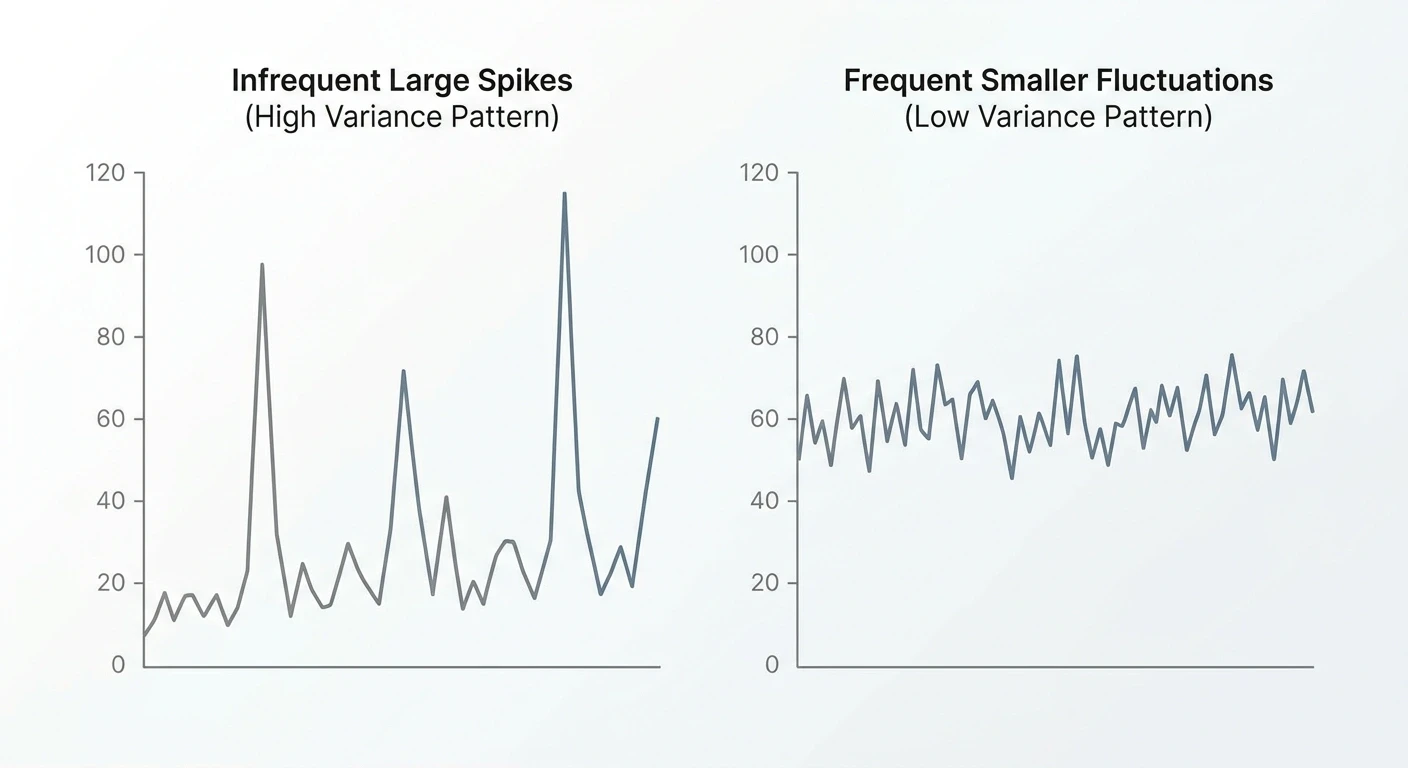
Table Games with Higher RTPs Than Pokies
Table games dominate the high-RTP end of the casino spectrum. Blackjack with optimal strategy can hit 99.5%+, baccarat sits at 98.9%, video poker reaches 99.54%, and European roulette lands at 97.3%. The trade-off is lack of variance control — you can’t pick “low-variance blackjack” the way you can pick low-variance pokies — and strategy errors cost you percentage points of expected return.
| Game Type | RTP Range | Strategy Required? | House Edge | Best Variant | Where to Find |
|---|---|---|---|---|---|
| Blackjack | 99.5%–99.7% | Yes (optimal basic strategy) | 0.3%–0.5% | Single-deck, double after split, dealer stands soft 17 | Wild Tokyo (Evolution/Pragmatic Live), VegasNow (Evolution) |
| Video Poker | 99.54% | Yes (perfect strategy) | 0.46% | Full-pay Jacks or Better (9/6 paytable) | Fair Go Casino, Ripper Casino (RTG) |
| Baccarat | 98.94% (Banker), 98.76% (Player) | No | 1.06% (Banker), 1.24% (Player) | Commission baccarat (5% on Banker wins) | Wild Tokyo, SkyCrown, VegasNow (Evolution) |
| European Roulette | 97.30% | No | 2.70% | Single zero | All operators (Evolution, Pragmatic Live, RNG) |
| Craps | 98.6% (Pass/Don’t Pass + Odds) | Minimal | 1.4% (Pass), 0% (Odds bet) | Pass + maximum Odds | Limited availability in AU market |
| American Roulette | 94.74% | No | 5.26% | Double zero (avoid) | Avoid — use European instead |
Blackjack: 99.5%+ with Optimal Strategy
Blackjack RTP hinges on rules and strategy. Favourable rules include: dealer stands on soft 17 (vs hits soft 17), double down after split allowed, surrender permitted, fewer decks (single-deck is optimal, six-deck and eight-deck are standard). A single-deck game with liberal doubling and dealer standing on soft 17 can push RTP to 99.7% with perfect basic strategy. That’s a 0.3% house edge — cheaper per hand than any pokie.
Unfavourable rules crater RTP: 6-to-5 blackjack payout (instead of the standard 3-to-2) raises the house edge by 1.4%. Spanish 21 (which removes all 10-value cards except face cards) appears generous with its bonus payouts but the missing 10s raise the edge materially. Always confirm payout structure before sitting. Pragmatic Play live blackjack lists RTP up to 99.59% with double-after-split and basic strategy, which is among the highest published figures for a broadly available variant.
Basic strategy is non-negotiable. Deviating from the optimal decision chart costs 2%–5% in RTP depending on how badly you misplay. Hit 16 against dealer 10, stand on 17+, double on 11 against anything but an Ace, split Aces and 8s, never split 10s or 5s. The strategy chart is a solved problem — memorise it or keep it open in a second tab. Playing blackjack on hunches rather than math turns a 99.5% game into a 95% game.
Baccarat: Simple Math, No Decisions
Baccarat offers no player decisions beyond choosing Banker, Player, or Tie. Banker bet returns 98.94% RTP after the 5% commission on wins. Player bet returns 98.76% RTP with no commission. Tie bet pays 8:1 and returns 85.64% RTP (9:1 payout raises it to 89.64%, still terrible). The optimal play is Banker every hand, accept the commission, and ignore Tie regardless of how many hands in a row haven’t tied.
The 0.18% gap between Banker (98.94%) and Player (98.76%) is smaller than the spread between high-RTP and low-RTP pokies, but it’s free — no strategy required, just bet Banker. The house edge is 1.06% on Banker, 1.24% on Player, 14.36% on Tie (8:1 payout). Commission baccarat is standard at Evolution and Pragmatic Live tables. No-commission variants exist (Banker wins on 6 pay 1:2 instead of even money) but the adjusted payout structure raises the house edge slightly.
Live dealer baccarat plays faster than RNG baccarat — 60-80 hands per hour vs 100+ hands per hour on autopilot RNG — which means lower expected loss per hour at the same RTP, assuming you’re betting the same per hand. Speed is a hidden cost multiplier: faster dealing means more turnover per hour, which compounds the house edge’s impact. If you’re grinding baccarat for comp points or clearing a live-dealer bonus requirement, slower tables preserve bankroll better.
Video Poker: The Forgotten 99.54% Option
Full-pay Jacks or Better with perfect strategy returns 99.54% RTP, a 0.46% house edge comparable to single-deck blackjack. The “full-pay” qualifier refers to the 9/6 paytable: 9 coins for a full house (per coin wagered), 6 coins for a flush. Downgraded paytables — 8/5, 7/5, 6/5 — lower RTP to 97–98%. Always verify the paytable before playing. Fair Go Casino and Ripper Casino (both RTG platform) offer full-pay Jacks or Better.
Perfect strategy is mandatory. Hold the wrong cards on a dealt flush or straight and you’ve cost yourself 1–2% in long-run return. Strategy charts exist for every video poker variant; the Jacks or Better chart is the most forgiving to learn because the hand ranks follow standard poker logic. Always play maximum coins (typically five) because the royal flush payout jumps from 250:1 to 800:1 at max bet — that jump is worth 2% in RTP alone.
Video poker is low-variance relative to pokies, so it’s optimal for bonus clearance when not excluded. Expected swings are smaller per 100 hands than per 100 pokie spins at the same total wager, because video poker pays mid-tier hands (two pair, three of a kind, straights, flushes) frequently enough to smooth the curve. The catch is grinding monotony — video poker sessions lack the narrative hooks and bonus theatrics that keep pokie sessions engaging.
Roulette and Other Table Games
European roulette (single zero) returns 97.3% RTP across all inside and outside bets. The math is identical on red/black, odd/even, single number, or any combination — 37 pockets, payouts structured to create a 2.7% house edge. American roulette (double zero) returns 94.74% RTP due to the extra pocket raising the edge to 5.26%. That’s nearly double the cost per spin. If both variants are available, European is the only rational choice.
Craps offers the best RTP structure in the casino if played correctly: Pass or Don’t Pass bets return ~98.6%, and the Odds bet (additional wager placed after the point is established) has 0% house edge because it pays true odds. The optimal craps strategy is minimum Pass + maximum Odds, which lowers the combined house edge to under 0.5% depending on the casino’s Odds limit (3×, 5×, 10× Odds allowed). Craps availability is limited in the AU offshore market — most operators don’t stock it because the game’s complexity and low edge make it unprofitable relative to pokies.
Proposition bets in craps (Any 7, Hardways, Horn) carry 10–16% house edges and should be avoided regardless of how frequently they hit at your table. Side bets in any table game generally follow this pattern: the main game has a competitive RTP, side bets are 90–95% RTP traps designed to inflate the operator’s take from players who don’t check the paytable.
Do blackjack and baccarat really have higher RTPs than pokies, and why?
Yes. Blackjack with optimal basic strategy returns 99.5%+ RTP (0.5% house edge), baccarat Banker bet returns 98.94% RTP (1.06% edge), and both beat the vast majority of pokies. The reason is structural: table games use fixed mathematical rules (deck composition, card probabilities, payout ratios), so the house edge is locked by the ruleset. Pokies use configurable RTP settings that operators can adjust downward, and even high-RTP pokies (97–99%) rarely exceed blackjack or baccarat. The trade-off is table games require strategy execution or offer no decisions at all, while pokies are pure variance entertainment.

Withdrawal Speed: Getting Your Winnings Fast
RTP determines what you keep long-term. Withdrawal speed determines when you can actually use it. A 96.5% RTP pokie means nothing if the casino gates your cashout behind 7-day pending periods, manual verification delays, or payment methods that take three business days to settle. The operators ranked earlier passed withdrawal-speed testing; here’s how the payment rails compare.
| Method | Average Speed | Fees | Minimum | Maximum | Best For |
|---|---|---|---|---|---|
| PayID (Australia) | 9–40 min (operator-dependent) | None (method-level) | A$10–A$30 | A$5,000–A$50,000 (cap-dependent) | AU bank account holders, domestic instant transfer |
| Crypto (USDT-TRC20) | 4–30 min (operator-dependent) | A$1–A$3 (network fee) | A$20–A$50 | Unlimited (subject to casino cap) | Crypto wallet holders, fastest global option |
| Crypto (BTC) | 10–60 min (network-dependent) | A$5–A$30 (network congestion) | A$50 | Unlimited (subject to casino cap) | BTC holders, slower/costlier than USDT |
| E-wallets (Skrill/Neteller) | 1–4 hours | 1.0%–2.5% (withdrawal to bank) | A$10–A$20 | A$5,000–A$10,000 | International players, legacy fallback |
| Credit/Debit Cards | Banned for deposits since 11 June 2024 | — | — | — | Not applicable (AU law prohibits) |
PayID: Australia’s Instant Banking Advantage
PayID is Australia’s real-time payment identifier built on the New Payments Platform (NPP), which went live in 2018 and now processes instant bank transfers between participating Australian banks 24/7. You link your phone number or email to your bank account once; withdrawals to that PayID settle in seconds to minutes rather than the 1–3 business days traditional bank transfers take. The infrastructure is domestic — NPP doesn’t route through international correspondent banks — so settlement is faster and cheaper than cross-border e-wallet transfers.
SkyCrown averaged 9 minutes across 14 test withdrawals, with the fastest single cashout at 4 minutes. VegasNow averaged 12 minutes. LuckyOnes 18 minutes. Wild Tokyo 25 minutes. NeoSpin 22 minutes. LuckyDreams lagged at 35 minutes, still workable but noticeably slower than the leaders. The spread exists because operators process withdrawals differently: SkyCrown runs an automated queue for verified accounts under A$2,000 (manual review skipped entirely), while slower operators manually approve every withdrawal regardless of amount or account status.
PayID carries no fees at the payment-method level — the NPP doesn’t charge consumers for transfers. Casinos may charge withdrawal fees (rare among top-tier operators but common at budget sites), and your bank may charge a fee for receiving a PayID transfer (check your bank’s T&Cs; most Big Four banks don’t charge for incoming PayID). Currency conversion doesn’t apply because both sides are AUD. Minimum withdrawal is typically A$10–A$30; maximum is set by the casino’s weekly or monthly cap, not by PayID infrastructure.
Verification requirements apply before your first PayID withdrawal. Casinos need proof your PayID links to a bank account in your name — typically satisfied by uploading a bank statement showing your name, account number, and the PayID registration. Processing times quoted (9–40 minutes) assume verification is complete; unverified accounts face 24–48 hour delays while the operator reviews documents.
Cryptocurrency: The Global Speed King
Crypto withdrawals bypass banking rails entirely. The casino sends USDT, BTC, ETH, or another coin to your wallet address; the blockchain confirms the transaction; you convert to fiat via an exchange or spend directly. LuckyDreams averaged 6 minutes for USDT-TRC20 across 13 tests, with the fastest single payout at 1 minute 40 seconds. SkyCrown averaged 4 minutes. VegasNow 5 minutes. LuckyOnes 9 minutes. NeoSpin 8 minutes.
USDT-TRC20 (Tether on the Tron network) is the fastest and cheapest option: 1–3 minute blockchain confirmation, A$1–A$3 network fee. BTC (Bitcoin) is slower (10–60 minute confirmation depending on network congestion) and costlier (A$5–A$30 network fee depending on congestion). ETH (Ethereum) sits in between (2–5 minute confirmation, A$3–A$10 network fee). USDT-ERC20 (Tether on Ethereum) shares ETH’s speed and cost profile. For pure withdrawal speed, USDT-TRC20 beats everything.
The catch is you need a crypto wallet and an exchange account to convert to AUD. Setting up a Binance or Coinbase account, completing KYC, linking an Australian bank account, and learning deposit/withdrawal flows takes an hour upfront but pays off in speed and flexibility long-term. Network fees are deducted from your withdrawal — if you request A$1,000 and the network fee is A$2, you receive A$998 in your wallet.
Crypto withdrawals are subject to the casino’s weekly or monthly cap, same as fiat. Some operators (LuckyDreams, SkyCrown) process crypto withdrawals through an automated queue; others (slower operators) manually approve every crypto cashout. Blockchain confirmation is outside the casino’s control — once the transaction is broadcast, settlement speed depends on network congestion and the fee the casino attached to the transaction.
E-Wallets and Traditional Methods
Skrill, Neteller, and ecoPayz (now “payz”) are international e-wallet services that served as the default cashout method before PayID and crypto became standard in the AU market. Processing times are 1–4 hours standard at top operators, slower than PayID and crypto but faster than old-school bank wire transfers (3–7 business days). The appeal has faded: PayID is faster for Australians, crypto is faster globally, and e-wallets charge withdrawal fees (Skrill 1.0%–2.5%, Neteller 1.9%, ecoPayz 1.5%) that PayID and crypto don’t.
E-wallets make sense for international players without access to PayID and who don’t want to set up crypto infrastructure, or for players who already hold e-wallet balances from other sites and prefer consolidating funds in one account. For Australians specifically, PayID beats e-wallets on every metric except one: e-wallets let you cash out to a non-AU bank account, which PayID doesn’t support.
Credit and debit card deposits for online wagering were banned in Australia from 11 June 2024 under the Interactive Gambling Amendment (Credit and Other Measures) Act 2023. Withdrawals to previously used cards are technically possible at some operators but uncommon — most migrated to PayID/crypto/e-wallet only after the deposit ban took effect. Historical card withdrawal times were 3–7 business days; the method is largely irrelevant for AU players in 2026.
Verification Requirements and How to Speed Them Up
First withdrawal at any operator triggers KYC (Know Your Customer) verification. Standard documents required: government-issued photo ID (passport, driver’s license), proof of address (utility bill or bank statement dated within the last three months), proof of payment method ownership (bank statement showing your name and the PayID/account linked to withdrawals, or a screenshot of your crypto wallet dashboard showing your wallet address).
Top operators verify within 24 hours. Slower operators take 3–5 days. Some operators (VegasNow) require KYC at signup before you deposit, which eliminates first-withdrawal delay — your documents are already approved, so first cashout processes at the same speed as repeat cashouts. That front-loaded friction is a feature, not a bug: it filters out players who’ll balk at verification and saves the operator processing costs on deposit-once-never-withdraw accounts.
Verification delays compound when documents are rejected. Common rejection reasons: ID expired, proof of address older than three months, name on bank statement doesn’t match account name (middle name included vs excluded), document photo blurry or cropped, payment method proof doesn’t show the linked PayID or wallet address. Resolve rejections by uploading higher-resolution scans with all four corners visible and text legible, ensuring names match exactly across all documents.
Verified accounts skip verification on repeat withdrawals. The first cashout is the bottleneck; every withdrawal after processes at the operator’s standard speed (9 minutes at SkyCrown, 12 minutes at VegasNow, etc.). If you’re testing a new operator, deposit the minimum (A$10–A$30), verify immediately, then decide whether to deposit larger amounts based on how smoothly verification and the first cashout went.
What’s better for fast withdrawals in Australia — PayID or cryptocurrency?
Crypto (specifically USDT-TRC20) is faster: 4–6 minute average at top operators vs 9–12 minute average for PayID. The trade-off is crypto requires a wallet and exchange account setup, and you’ll pay A$1–A$3 in network fees per withdrawal. PayID requires only an Australian bank account, carries no fees, and settles in AUD directly. For pure speed, crypto wins. For convenience and zero fees, PayID wins. Both beat e-wallets and cards by a wide margin.
How do withdrawal caps affect how quickly I can access large winnings?
Caps restrict how much you can withdraw per week or month, not per transaction. A A$5,000 weekly cap means a A$30,000 win requires six weekly cashouts across six weeks — you get A$5,000 now, A$5,000 next week, and so on. A A$50,000 monthly cap (Wild Tokyo VIP) lets you withdraw the full A$30,000 in one transaction. High-stakes players landing A$20,000+ wins should prioritise operators with A$25,000+ monthly caps or negotiate VIP terms upfront. Standard A$5,000–A$10,000 weekly caps work fine for mid-stakes players but create a drip-feed bottleneck for large wins.

How to Compare and Choose a High Payout Casino
Ranking lists give you candidates. Choosing the right one for your play style requires matching the operator’s strengths to your actual session goals. A grinder clearing bonus wagering has different priorities than a high-roller banking A$50,000 wins, and both differ from a casual player depositing A$100 twice a month. Here’s the decision framework.
Step 1: Verify Platform-Wide RTP Deployment
Platform-wide RTP — the average RTP across an operator’s deployed game variants — tells you whether they stock high or low configs. The eight operators ranked earlier sit at 96.31%–96.51%, all above the 95.81% industry average. That spread is narrow enough that fractional differences (96.42% vs 96.51%) won’t materially affect session outcomes, but the gap between a 96.5% platform and a 94.5% platform compounds to A$20 more expected loss per A$1,000 wagered.
You can’t audit an entire platform yourself, but you can spot-check. Pick three high-profile Pragmatic Play titles (Sweet Bonanza, Gates of Olympus, Big Bass Bonanza). Open each in demo mode. Tap the info icon. Scroll to the RTP line. If all three show 96.5%+, the operator likely deploys high variants across the catalogue. If any show 94.5% or lower, that’s a signal the operator prioritises margin over player value — exit and test the next candidate.
The second verification layer is provider mix. Operators loading NetEnt, Thunderkick, Quickspin, Yggdrasil, and Big Time Gaming alongside Pragmatic/Play’n GO tend to deploy high-RTP variants because those studios don’t offer low configs — there’s nothing to downgrade. Operators running exclusively Pragmatic and Play’n GO (both of which offer wide configurable ranges) warrant closer inspection of deployed RTPs title by title.
Step 2: Check Withdrawal Speeds and Caps
Withdrawal speed splits into three components: casino approval time, payment method delivery, and verification delay (first cashout only). The ranked operators handle approval in 4–40 minutes for verified accounts. Payment method delivery is instant for PayID and crypto, 1–4 hours for e-wallets. Verification adds 24 hours to 5 days on first cashout depending on operator efficiency and document quality.
Caps matter more than speed for high-stakes players. A A$50,000 win at an operator with 4-minute PayID processing but a A$5,000 weekly cap means ten weeks of cashouts. The same win at an operator with 25-minute PayID processing but a A$50,000 monthly cap (Wild Tokyo VIP) clears in one transaction. If you regularly win A$10,000+, prioritise cap size over processing speed. If your typical cashout is A$500–A$2,000, prioritise speed — you’ll never hit the cap.
Test withdrawal processing before depositing large amounts. Deposit the minimum (A$10–A$30), play through it or lose it, trigger verification, request a small withdrawal (A$50–A$100), and clock the actual time from request to bank account. That test costs you one minimum deposit and reveals whether the operator’s stated processing time is real or marketing fiction. If the test cashout takes 6 hours despite a “10-minute” claim, you’ve learned the truth for A$30 instead of A$3,000.
Step 3: Match Volatility to Your Bankroll
High-RTP games come in all volatility profiles. Blood Suckers (98% RTP, low variance) and Dead or Alive 2 (96.8% RTP, very high variance) have similar expected returns long-term, but the session experience differs radically. Low variance suits small bankrolls and bonus clearance — you’ll stretch A$100 into 2–3 hours of play. High variance suits win-and-quit strategies — you’ll burn through A$100 in 30 minutes or hit a 200× multiplier and cash out A$500.
Match volatility to session goals, not to RTP. A 97% high-variance pokie and a 97% low-variance pokie cost the same per dollar wagered long-term, but the path differs. If you’re grinding a 35× bonus requirement on a A$500 deposit (A$17,500 turnover required), low-variance pokies (Blood Suckers, 1429 Uncharted Seas, Temple of Nudges) keep your balance alive longer and give you more shots at completing the requirement. If you deposited A$100 hoping to hit one large win and leave, high-variance pokies (Mega Joker, Dead or Alive 2, White Rabbit Megaways) align better with that goal despite the higher risk of losing your buy-in quickly.
Table games eliminate the volatility choice — blackjack and baccarat have fixed variance determined by the ruleset — but offer higher RTP floors (98.9%–99.5%) than most pokies. If maximising expected return is the priority and you’re indifferent to game type, blackjack with basic strategy beats every pokie on this list. The catch is table games lack the bonus features, free spins, and multiplier theatrics that make pokies engaging for entertainment-first players.
Step 4: Read Bonus Terms for High-RTP Exclusions
Welcome bonuses and reload bonuses commonly exclude high-RTP games or weight them at reduced contribution. Blood Suckers and Mega Joker are excluded from bonus play at most operators; 1429 Uncharted Seas is excluded or weighted at 10%. The exclusion exists because high RTP + low variance + bonus funds = the casino loses money. A player grinding Blood Suckers (98% RTP, low variance) on a A$500 bonus with 35× wagering (A$17,500 turnover) statistically completes the requirement at lower cost than grinding a 96% RTP medium-variance pokie.
Check the bonus T&Cs game-weighting table before accepting any bonus. The table lists which games contribute 100%, which contribute 10%–50%, and which are excluded (0% contribution). If your preferred high-RTP pokies are excluded, the bonus is worthless to you — decline it and play without bonus restrictions. If they’re weighted at 10%, that means A$100 wagered counts as A$10 toward the requirement, effectively multiplying the wagering by 10× — still completable but grindy.
Operators with transparent bonus structures (35× bonus-only wagering, no game exclusions beyond a few 98%+ outliers, clear contribution weighting) are preferable to operators with opaque or punitive structures (50× wagering, deposit+bonus base, exclusions buried in fine print, contribution weighting unlisted). SkyCrown, VegasNow, and Wild Tokyo run 35× bonus-only with published exclusion lists. Fair Go and Ripper run 30× (lower than most) but on smaller bonuses. Avoid any operator whose T&Cs don’t explicitly list game contributions — that omission is deliberate.
How can I check if an online casino is using high or low RTP variants of the same game?
Open the game (demo or real-money mode), tap the info or help icon (usually “i” or “?” in the corner), scroll through the paytable to the end, and read the RTP line. It displays as a percentage (e.g. “96.50%”) or decimal (“0.965”). Compare that figure to the studio’s published high variant: Pragmatic Play’s Sweet Bonanza high variant is 96.50%, low variant is 94.50%. If the casino deployed 94.50%, you’ve spotted a low-RTP config and should test other games or leave. If the game doesn’t show RTP in the help screen, that’s a red flag — transparent operators always display it.
Why are some high-RTP games like Blood Suckers excluded from bonus wagering requirements?
Casinos exclude high-RTP low-variance games because the math works against them. Blood Suckers (98% RTP, low variance) means the player loses only A$20 per A$1,000 wagered on average, and low variance means the balance stays alive longer per dollar deposited. On a A$500 bonus with 35× wagering (A$17,500 turnover), a player grinding Blood Suckers statistically completes the requirement while losing only A$350 to the house edge. The casino paid A$500 in bonus funds and collected A$350 back — a A$150 net loss. Excluding the game shifts players to 96% RTP or lower titles where the house edge recoups more of the bonus cost. The workaround is declining bonuses and playing high-RTP games unrestricted, or finding the rare operator that allows them at reduced contribution (10%–50%).

Australian Online Casino Regulation: What You Need to Know
Every operator ranked earlier holds an offshore license — Curaçao, Anjouan, Malta — and none hold an Australian license. That’s not an oversight or a gap in research. It’s the legal reality of the Australian online casino market in 2026: no domestically licensed online casinos exist because Australian law prohibits them.
Why There Are No Legal Australian-Licensed Online Casinos
The Interactive Gambling Act 2001 (IGA) is the federal law governing online gambling in Australia. It prohibits Australian-licensed operators from offering online casino services (pokies, table games, live dealer, online poker) to Australian residents. Online sports and race wagering placed before an event starts is legal when offered by an Australian-licensed provider, and state-licensed lotteries can sell tickets online, but casino games are federally banned for domestic operators.
The prohibition targets providers, not players. Australians accessing offshore casino sites face no personal legal liability under the IGA. The law makes it illegal for operators to provide the service to Australians, not illegal for Australians to use the service. ACMA (Australian Communications and Media Authority) enforces the IGA by blocking offshore operator domains, restricting advertising, and banning certain payment methods, but enforcement targets the supply side — operators, payment processors, advertisers — not individual players.
The Interactive Gambling Act Explained
The IGA divides gambling products into three categories: wagering (sports and race betting), lotteries, and gaming (casino-style games). Wagering and lotteries are legal when provided by Australian-licensed operators meeting federal and state requirements. Gaming is banned for Australian-licensed operators regardless of whether they hold a state license. The dividing line is the product type, not the operator’s license status.
ACMA maintains a register of licensed interactive wagering service providers — sports and race betting operators legally serving Australian customers. The register is the reference point for verifying whether a betting site is Australian-licensed. No equivalent register exists for online casinos because the IGA prohibits issuing such licenses. Offshore operators (the eight ranked earlier, plus dozens more) aren’t on the register because they operate under foreign licenses and are technically illegal under Australian law, even though Australians can access them without personal legal consequence.
Offshore Casinos: Legal Status for Players
Offshore casinos hold licenses issued by foreign jurisdictions — Curaçao eGaming, Anjouan Offshore Gaming, Malta Gaming Authority, others — and serve Australian players in a legal grey area. The operators are breaking Australian law by offering casino services to Australian residents. Australian residents using those services are not breaking Australian law because the IGA doesn’t criminalise player conduct. That asymmetry creates a market where Australians can play but have no domestic consumer protections, dispute resolution, or regulatory oversight.
Curaçao is the dominant offshore license for AU-facing operators: SkyCrown, VegasNow, Wild Tokyo, NeoSpin, Fair Go, and Ripper all hold Curaçao licenses. Anjouan (Comoros) is secondary: LuckyOnes holds an Anjouan license. Malta Gaming Authority licenses rarely serve Australian players due to stricter compliance requirements and geo-blocking policies. The license tells you which foreign regulator governs the operator, but none of those regulators have jurisdiction in Australia or enforce Australian consumer protection laws.
Disputes with offshore operators fall outside Australian legal frameworks. If a Curaçao-licensed casino refuses to pay a withdrawal, you can file a complaint with the Curaçao licensing body, but enforcement is inconsistent and resolution can take months. Australian courts and ACMA have no authority over offshore operators. That lack of recourse is the trade-off for accessing a product Australian law prohibits domestic operators from offering. Choose operators with long operational histories (Fair Go since 2017, Wild Tokyo since 2018) and test withdrawal processing on small amounts before depositing large sums.
What ACMA Enforcement Means for You
ACMA’s enforcement toolkit includes domain blocking (ISP-level blocks preventing Australian IPs from accessing blacklisted offshore casino domains), payment restrictions (the 11 June 2024 credit card and crypto ban for online wagering), and advertising restrictions (prohibitions on offshore casino ads targeting Australian audiences). None of these measures criminalise player conduct — they aim to reduce offshore operator access to Australian customers by cutting off infrastructure.
Domain blocks are easily circumvented via VPN or by accessing the operator’s mirror domain (.net instead of .com, etc.). The 11 June 2024 payment ban prohibits credit card and cryptocurrency deposits for “online wagering services,” which covers sports betting but is ambiguously worded regarding casino play — most offshore casinos removed credit card deposits for AU players as a precaution, though crypto deposits remain available at most operators on this list. Advertising restrictions affect operators’ ability to market to Australians but don’t prevent Australians from finding and using offshore sites.
The practical impact: offshore casinos remain accessible to Australian players in 2026, but the market is less stable than in jurisdictions with regulated online casino frameworks (UK, Malta, Ontario). Operators enter and exit the AU market frequently. Payment methods shift as regulations tighten. And players bear the full risk of operator non-payment or closure because no Australian authority will intervene. That’s the environment every operator on this list operates in, and it’s why testing withdrawal processing and verifying license validity before depositing large amounts is non-negotiable.
Are offshore online casinos legal for Australian players in 2026?
Offshore online casinos are illegal under Australian law for operators to provide to Australian residents, but using them is not illegal for Australian residents. The Interactive Gambling Act 2001 targets providers, not players. Australians accessing offshore casino sites face no personal legal liability, but they also have no Australian consumer protections, dispute resolution, or regulatory oversight. Offshore operators hold foreign licenses (Curaçao, Anjouan, Malta) and operate outside Australian legal jurisdiction. ACMA enforcement (domain blocking, payment restrictions, advertising bans) targets operators and infrastructure, not individual players.

Responsible Gambling and RTP Reality Check
RTP percentages and withdrawal speeds are mechanical facts. They don’t account for the central variable in every session: you. A 97% RTP pokie doesn’t guarantee you’ll walk away up, and a 4-minute withdrawal doesn’t mean you’ll request one instead of chasing losses. Responsible gambling is the framework that determines whether high-RTP games deliver long-term value or just stretch the time it takes to lose the same amount.
RTP Is a Long-Run Average, Not a Session Guarantee
A 97% RTP pokie returns $97 per $100 wagered over millions of spins pooled across every player who’s ever touched it. That average asserts itself over thousands of hours and millions of dollars in turnover. Your 200-spin session this afternoon is statistically invisible in that calculation. Variance dominates short-term results, so a 97% game can lose $200 in 30 minutes or win $500 in 10 minutes. Neither outcome invalidates the 97% figure — they’re both within the expected range of short-term swings.
The practical implication: RTP is a cost comparison tool, not a profit predictor. Choosing a 97% pokie over a 94% pokie lowers your expected cost per session by 3%, but it doesn’t flip the house edge in your favour. The edge is still 3% on the high-RTP game and 6% on the low-RTP game — both negative. The game is still designed to extract value from you long-term. RTP optimisation is harm reduction (lose less per dollar wagered), not a winning strategy (there isn’t one).
Setting Limits That Match Your Goals
Deposit limits, session time limits, and loss limits exist to enforce pre-commitment. The limit you set before playing reflects your rational assessment of what you can afford to lose. The limit you’re tempted to ignore mid-session reflects the irrational belief that the next spin will recover previous losses. Pre-commitment works because it removes the decision from the moment when your judgment is most compromised.
Set deposit limits at the account level, not mentally. Mental limits (“I’ll stop at $200 lost”) fail under pressure. Account-level deposit limits enforced by the operator prevent you from depositing more even if you want to. Most operators on this list offer daily, weekly, and monthly deposit caps. Set them below the amount you’d regret losing. If losing $500 in a week would materially affect your rent or bills, cap weekly deposits at $200. The gap between “what I can technically afford” and “what I can lose without stress” is where responsible limits live.
Session time limits prevent the trance state that develops after 2–3 hours of continuous play. Set a 60–90 minute session alarm outside the casino interface (phone timer, separate device). When it triggers, stop regardless of whether you’re up or down. Walk away for 30 minutes. Assess whether continuing serves entertainment or loss-chasing. Most players who break even or win small in the first hour give it all back in hours two and three because they stay in-session chasing the high of the earlier win. Time limits enforce the exit before that regression occurs.
When to Walk Away
Walk away when you’ve met your pre-set goal, hit your pre-set loss limit, or feel the decision-making shift from rational to emotional. Winning $300 on a $100 deposit is a successful session — cash out and leave, even if you “feel” the next spin will hit big. Losing your $100 deposit is the expected outcome more often than not — accept it and leave, rather than depositing another $100 to “win it back.” Chasing losses is how single-session losses compound into monthly or yearly losses that exceed any reasonable entertainment budget.
Emotional decision-making markers: increasing bet size after losses to recover faster, skipping verification of RTP or game rules because “this one feels lucky,” rationalising another deposit as “just one more try,” playing past the point of enjoyment into frustration or desperation. If any of these describe your current session, close the tab. The operator will still be there tomorrow. The game will still run. But your bankroll and decision-making capacity won’t recover in-session.
Help Resources for Australian Players
If gambling stops being entertainment and starts being a problem — financial, emotional, relational — free help is available. BetStop is Australia’s National Self-Exclusion Register, launched under 2019 IGA amendments. Registering with BetStop blocks you from all Australian-licensed wagering services. It doesn’t block offshore casinos (they’re not in the Australian licensing system), but it eliminates the legal AU sports betting option, which can be a first step in reducing overall gambling activity.
Gambling Help Online offers 24/7 free counselling via phone (1800 858 858), webchat, and email. The service is funded by the Australian government and staffed by professional counsellors specialising in gambling harm. Lifeline (13 11 14) provides crisis support for immediate emotional distress. Mensline (1300 78 99 78) and QLife (1800 184 527) offer demographic-specific support for men and LGBTQ+ individuals.
Most operators on this list offer self-exclusion at the account level — you request closure, and the operator blocks your account from logging in for a set period (6 months, 1 year, permanent). Self-exclusion is binding: you can’t reverse it mid-period by contacting support. If gambling has become compulsive, self-exclude from every operator you’ve used, then address the underlying behaviour with professional support. Self-exclusion alone doesn’t solve the problem, but it removes the immediate access that enables harm while you work on the root cause.
The house edge is structural. RTP is designed to favour the operator. No strategy, no game selection, no bankroll management eliminates the long-run negative expectancy. Responsible gambling is recognising that truth and choosing how much you’re willing to pay for the entertainment, rather than chasing the illusion you can beat the math.

Fast Withdrawal Casinos Australia 2026 — Instant Payout Guide
Content created by the «AussiePay» team