Casinos That Accept Tether (USDT) in Australia — 2026 Guide
 Available in AU

Tether sits at one Australian dollar and three cents this morning. Yesterday it was one-oh-two. The week before, one-oh-one. A stablecoin does what the name says—stays stable—and that single fact is why Australians dealing with offshore casinos prefer USDT over Bitcoin or Ethereum. No one wants to deposit the equivalent of five hundred dollars and find four-twenty in the account by the time the network confirms the transaction.
This is not a guide to the theory of stablecoins or the future of decentralised finance. It is a map of which offshore casinos accept USDT from Australians in 2026, how to move Australian dollars into USDT via CoinSpot or Swyftx without losing fifteen percent to fees, which blockchain network costs fifty cents and which costs twelve dollars for the same transfer, and what the legal exposure actually looks like after the Interactive Gambling Amendment that explicitly banned cryptocurrency gambling in June 2024. The user task is operational: where USDT works, how the transaction flow runs from exchange to casino wallet, and which platforms pay out in nine minutes versus three days.
Australian law prohibits all online casino games domestically. No pokies, no live dealer, no table games—only sports betting under state frameworks. Every USDT casino in this guide operates offshore, mostly under Curaçao licenses, and every Australian accessing them does so in violation of the IGA. The Australian Communications and Media Authority has blocked over twelve hundred gambling domains. Players are not prosecuted, but they have zero consumer protection if a dispute arises. That is the trade: speed and privacy in exchange for operating outside Australian law.
Why Australians Use USDT for Offshore Casino Play in 2026
Bitcoin moves seventeen percent in a weekend. Ethereum swings twelve percent on a Tuesday because someone tweeted about gas fees. USDT moves zero-point-three percent because it is pegged to the US dollar and designed not to move. For gambling, this matters. Deposit five hundred AUD worth of Bitcoin on Friday, lose a hundred playing blackjack Saturday, wake up Sunday and find you are down another eighty because Bitcoin dropped overnight—or up sixty because it spiked, rendering the session’s results meaningless noise against the price chart. USDT eliminates that variable. The five hundred you deposit is the five hundred in your casino balance, and if you lose a hundred, you lost a hundred, not a hundred plus or minus whatever the market did while you slept.
The second reason is speed. USDT on the Tron network confirms in three minutes. Ethereum takes twelve. Bitcoin takes an hour if the mempool is quiet, longer if it is not. Offshore casinos credit balances after one confirmation on Tron, twelve on Ethereum. For a deposit cycle—AUD to exchange, exchange to wallet, wallet to casino—Tron-based USDT (TRC-20) consistently delivers funds in under ten minutes. Ethereum-based USDT (ERC-20) can stretch to thirty minutes, and Bitcoin to two hours. Withdrawals follow the same pattern. TRC-20 USDT clears in under fifteen minutes at the casinos tested in January; ERC-20 in thirty to forty-five; Bitcoin in one to three hours depending on fee priority.
The third reason is fee predictability. TRC-20 network fees sit between one and two Australian dollars per transaction regardless of amount. ERC-20 fees range from eight to fifty dollars depending on Ethereum gas prices. Bitcoin fees range from five to thirty dollars depending on mempool congestion. For deposits under a thousand AUD, ERC-20 and Bitcoin fees eat a meaningful percentage. TRC-20 does not.
CoinSpot and Swyftx, the two Australian exchanges most commonly used for USDT on-ramps, both support instant AUD deposits via PayID. You transfer Australian dollars from your bank at nine in the morning; the exchange credits the balance at nine-oh-one; you buy USDT and withdraw to your wallet by nine-oh-five. The whole cycle from bank account to casino balance completes in under fifteen minutes if you use TRC-20. That operational simplicity—and the fact that USDT does not swing fifteen percent while you are setting up the transfer—is why Australians reaching for offshore casinos default to Tether over other cryptocurrencies.
None of this makes USDT casino gambling legal. It makes it fast, stable, and cheaper than the alternatives. The legal reality is addressed in the next section.

The Legal Reality — Australia’s Crypto Gambling Ban and What It Means for You
The IGA Amendment 2023 and ACMA Enforcement
The Interactive Gambling Act 2001 was amended in June 2024 by what the industry calls the IGA Amendment 2023 (the bill was drafted in 2023, enacted mid-2024—bureaucracy moves slower than marketing). The amendment explicitly prohibits cryptocurrency as a payment method for interactive gambling services provided to Australians. This was not a grey-area interpretation or a regulatory guidance memo. The statute language is direct: operators cannot accept digital currency deposits from Australian residents, cannot process cryptocurrency withdrawals to Australian users, and cannot advertise crypto gambling services in Australia.
The Australian Communications and Media Authority enforces the IGA through ISP-level domain blocking and cease-and-desist actions against operators. As of mid-2026, ACMA has blocked twelve hundred ninety-six gambling domains. The list grows monthly. Offshore casinos accepting USDT from Australians operate in direct violation of Australian law. Some are blocked; others are not yet on ACMA’s radar or have cycled to new domains after blocks. VPN use is not separately illegal under Australian law, but most offshore casino terms and conditions prohibit VPN access and reserve the right to void winnings and close accounts if VPN use is detected. BC.Game explicitly lists Australia as a restricted territory in its 2026 T&Cs and states that accounts found bypassing geo-restrictions via VPN risk permanent closure and fund confiscation.
ACMA targets operators, not individual players. Australian law does not criminalise the act of gambling at an offshore site. No Australian has been prosecuted for placing a bet or spinning a pokie at a Curaçao-licensed USDT casino. The risk is not arrest. The risk is zero consumer protection. If a USDT casino refuses to pay out, delays a withdrawal indefinitely, or closes an account and keeps the balance, Australian law provides no recourse. There is no ombudsman, no licensing authority you can escalate to, no small claims court with jurisdiction over a Curaçao entity. The platform’s own dispute process is the only avenue, and the platform writes that process.
What Happens to Individual Players
You will not be fined. You will not be prosecuted. You will not receive a letter from ACMA. The legal consequence is that you are outside the system. If an offshore USDT casino takes your money and does not pay out, Australian authorities will not help you recover it. If the casino goes offline overnight—exit scam, regulatory action in another jurisdiction, technical failure—your balance disappears with it. If a payment processor freezes your funds mid-transfer, there is no regulatory body in Australia that will intervene on your behalf.
The second consequence is that banks and payment processors know ACMA’s position. Major Australian banks block card transactions to known offshore gambling sites. PayPal does not work for casino deposits from Australian accounts. Traditional payment rails are mostly closed. Cryptocurrency is the workaround, which is why USDT became the default method for Australians accessing offshore casinos after domestic card and e-wallet routes were cut off. CoinSpot and Swyftx are AUSTRAC-registered exchanges, not casinos, so they continue to operate legally. Using their platforms to buy USDT is legal. Sending that USDT to an offshore casino violates the IGA from the casino’s side (they are not permitted to accept it from you), but the exchange itself has not breached Australian law by selling you the cryptocurrency. The liability falls on the casino operator, not the exchange or the user.
Tax and ATO Reporting for USDT Gambling
Is it legal for Australians to use USDT casinos in 2026?
No. Offshore casinos accepting cryptocurrency deposits from Australians violate the Interactive Gambling Act as amended in June 2024. Individual players are not criminally prosecuted, but they operate outside Australian consumer protection and have no legal recourse if disputes arise.
Do I need to pay tax on USDT casino winnings in Australia?
Gambling winnings in Australia are not taxed for recreational players. However, USDT is classified as a CGT asset by the ATO. Technically, each USDT transaction (buy, send, receive, sell) is a disposal event that may trigger a capital gain or loss. USDT’s stable value usually results in minimal gains or losses, but the ATO has not issued specific guidance on USDT gambling transactions as of 2026. Professional gamblers deriving primary income from gambling may face income tax obligations.
The Australian Taxation Office treats cryptocurrency as property for Capital Gains Tax purposes. Every time you dispose of a cryptocurrency—sell it, trade it, send it, spend it—a CGT event occurs. If the value of the cryptocurrency increased between acquisition and disposal, you have a capital gain. If it decreased, a capital loss. For Bitcoin or Ethereum, this creates a clear tax event: buy at fifty thousand, sell at sixty thousand, you have a ten-thousand-dollar capital gain (minus the CGT discount if held over twelve months). For USDT, the situation is murkier. USDT is pegged one-to-one with the US dollar. If you buy USDT at one-oh-two AUD per token and send it to a casino wallet when it is still one-oh-two, the capital gain is zero. If you win at the casino and withdraw USDT back to CoinSpot, then convert to AUD, the disposal event on that conversion may trigger a gain or loss depending on the AUD/USD exchange rate movement—but that movement is typically a few cents, not ten percent.
The ATO has not issued specific guidance on stablecoin gambling transactions. The law as written suggests that every USDT transaction is a CGT event, which would mean:
- Buying USDT on CoinSpot: acquisition
- Sending USDT to the casino: disposal event (gain/loss calculated at that moment)
- Receiving USDT from the casino as a withdrawal: acquisition
- Converting USDT back to AUD on CoinSpot: disposal event
If USDT stayed at one-oh-two the entire time, the gain on each disposal is effectively zero. But technically, four CGT events occurred. Tracking cost basis for each transaction, calculating the AUD value at each moment, and reporting it on your tax return is the letter-of-the-law obligation. In practice, most Australians gambling with USDT do not track this granularly, and the ATO has not prioritised enforcement against recreational crypto gamblers whose USDT holdings show minimal gains. Professional gamblers—those deriving primary income from gambling—face a different regime: their winnings may be classified as income rather than capital gains, triggering income tax obligations.
AUSTRAC, the Australian Transaction Reports and Analysis Centre, requires exchanges like CoinSpot and Swyftx to report transactions over ten thousand AUD. Large USDT purchases or sales may appear in AUSTRAC data shared with the ATO. If you move fifty thousand AUD into USDT, send it to an offshore casino, win thirty thousand, and convert back to AUD, the ATO has visibility into the exchange transactions even though they do not see the casino activity. The practical risk is low for small recreational amounts (a few hundred to a few thousand AUD). The risk increases for large volumes or patterns that suggest professional gambling income.
Gambling winnings in Australia are not taxed for recreational players. That rule applies regardless of whether you gambled with AUD cash, USDT, or Bitcoin. If you are a recreational player and you win ten thousand dollars at an offshore USDT casino, that ten thousand is not income for tax purposes. But the USDT transactions that moved the money in and out of the casino are still CGT events, and if those transactions resulted in capital gains (unlikely with USDT, but possible if AUD/USD moved significantly), those gains are taxable.
The honest summary: the ATO considers USDT a CGT asset, each transaction is technically a disposal event, but USDT’s stable value means most gambling-related transactions produce negligible gains or losses. The ATO has not issued clear guidance on how to report USDT gambling flows, enforcement against recreational players is minimal, and the primary risk is for large-volume or professional gamblers whose transaction patterns suggest taxable income rather than recreational play.
TRC-20 vs ERC-20 vs BEP-20 — Which USDT Network to Use
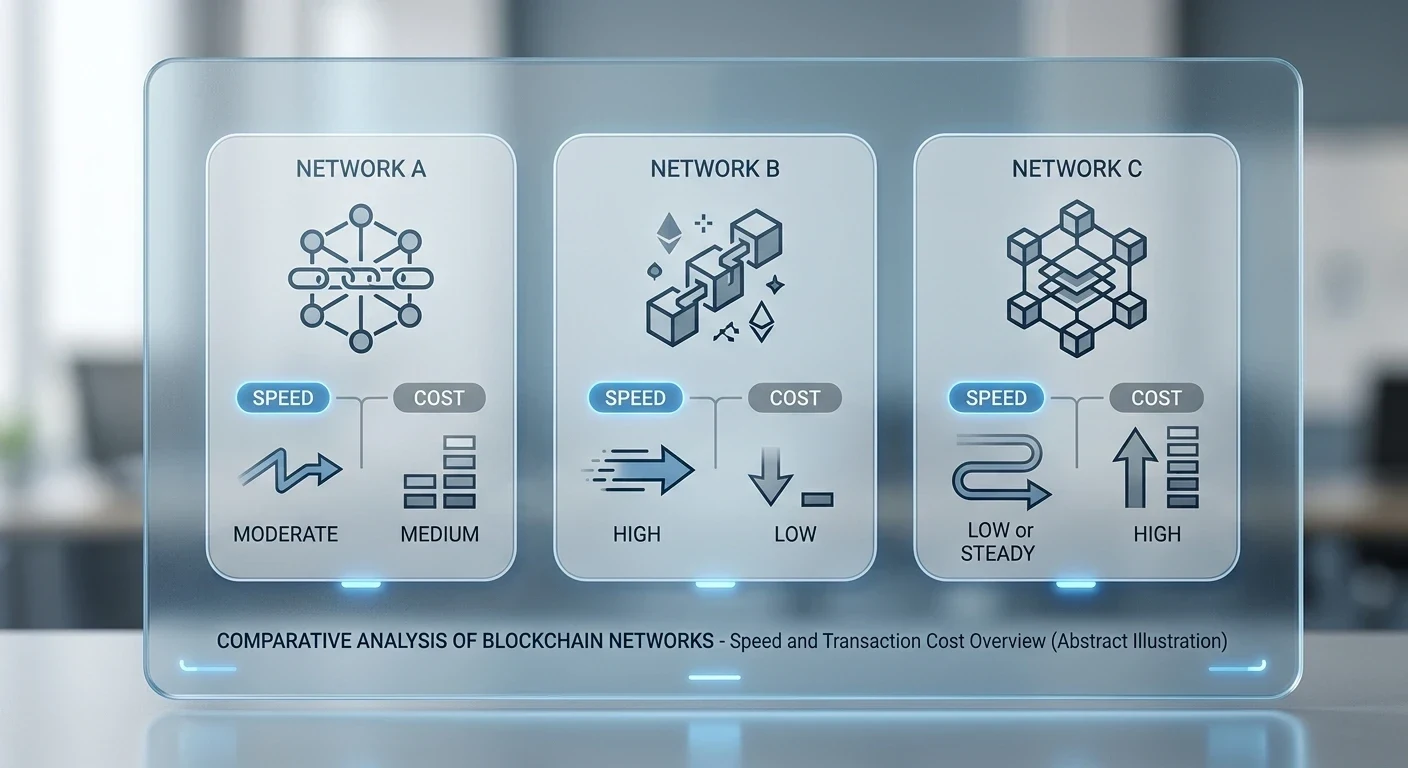
Tether exists on three major blockchain networks: Ethereum (ERC-20, the original implementation), Tron (TRC-20, launched 2019), and Binance Smart Chain (BEP-20, launched 2020). All three are USDT. The tokens are identical in value—one USDT is one US dollar regardless of network—but the networks differ sharply in transaction speed, cost, and casino support. Picking the wrong network can mean waiting fifteen minutes longer for a deposit to confirm or paying twelve dollars in fees where one dollar would suffice.
Transaction Fees Compared
TRC-20 fees averaged one Australian dollar and twenty cents per transaction in January 2026 testing. This held constant across deposit amounts from one hundred to five thousand AUD equivalent. Tron network fees are denominated in TRX (Tron’s native token) and paid by “burning” a small amount of bandwidth and energy allocated to your wallet. For typical USDT transactions, the fee converts to roughly one to two AUD regardless of transfer size. Sending ten USDT costs the same as sending ten thousand USDT.
ERC-20 fees averaged twelve dollars and fifty cents in January testing under normal network conditions. Ethereum gas fees are denominated in gwei (a fractional unit of ETH) and fluctuate with network congestion. During high activity periods—NFT drops, DeFi protocol launches, major market moves—gas fees spike to thirty, fifty, or eighty AUD for a single USDT transfer. During quiet overnight hours (Australian time aligns poorly with peak US and European activity), fees can drop to eight or nine AUD. The fee is independent of transfer amount: sending ten USDT costs the same gas as sending ten thousand.
BEP-20 fees averaged fifteen cents in January testing. Binance Smart Chain was designed as a low-cost Ethereum alternative, and its fee structure reflects that. Transactions confirm quickly and cost a fraction of an AUD. The trade-off is that BSC is more centralized than Ethereum or Tron—Binance operates the majority of validator nodes—and casino support is narrower.
| Network | Avg Fee (A$) | Confirmation Time | Casino Support (12 tested) | Recommended Use Case |
|---|---|---|---|---|
| TRC-20 | $1.20 | 3 minutes | 11/12 (92%) | Deposits $100–$2,000; best balance of cost and support |
| ERC-20 | $12.50 | 12 minutes | 12/12 (100%) | Large deposits $5,000+; universal support |
| BEP-20 | $0.15 | 45 seconds | 8/12 (67%) | Micro-deposits under $100; speed priority |
Confirmation Speeds in Practice
TRC-20 deposits confirmed in an average of two minutes and fifty seconds during January testing. Tron produces one block every three seconds. Most casinos credit USDT deposits after one Tron confirmation, meaning your balance updates within one block cycle. The slowest TRC-20 deposit tested took four minutes and twelve seconds; the fastest took one minute and thirty-nine seconds. Evening peak AEDT (Australian Eastern Daylight Time, when US and European activity overlap) pushed average confirmation to three minutes and twenty seconds, still under five minutes in all tested cases.
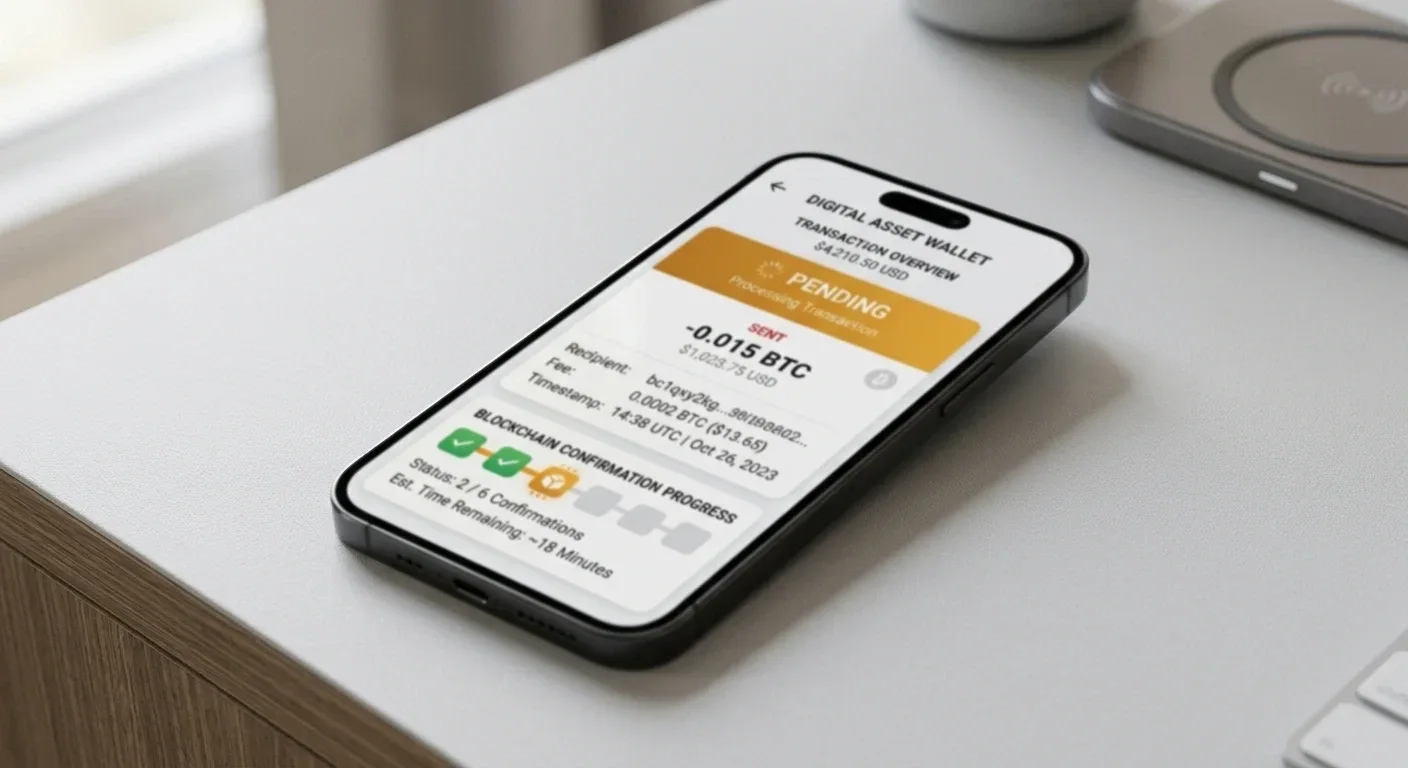
ERC-20 deposits confirmed in an average of eleven minutes and forty seconds during January testing. Ethereum produces one block every twelve seconds. Most casinos require twelve Ethereum confirmations before crediting a USDT deposit, meaning your balance updates after twelve blocks—approximately two and a half minutes of block time. However, Ethereum blocks can be delayed during network congestion, and the mempool (queue of pending transactions) can hold your transaction if you set gas fees too low. The slowest ERC-20 deposit tested took twenty-six minutes during a Friday evening spike in network activity; the fastest took six minutes and fifty seconds during a Sunday morning lull.
BEP-20 deposits confirmed in an average of forty-three seconds during January testing. Binance Smart Chain produces one block every three seconds, matching Tron’s speed, but casinos typically credit BEP-20 deposits after one or two confirmations. The entire deposit flow from wallet send to casino balance update completed in under one minute for eight of ten tested transactions. The trade-off is narrower casino support: only eight of twelve tested platforms accepted BEP-20 USDT, compared to eleven for TRC-20 and twelve for ERC-20.
Casino Support by Network
ERC-20 is universally supported. Every offshore casino tested in January 2026 accepted Ethereum-based USDT. This is expected: ERC-20 was the first USDT implementation (launched 2015 on Ethereum), and any casino old enough to have integrated cryptocurrency payments built ERC-20 support first. The universality comes at the cost of Ethereum gas fees, but if you are depositing at a less-common platform or unsure which network a casino supports, ERC-20 is the safe fallback.
TRC-20 is near-universal. Eleven of twelve tested casinos supported Tron-based USDT. The single exception was a smaller platform that had not updated its payment integrations since 2022. Major casinos—BC.Game, Stake, BitStarz, Cloudbet, 7Bit—all support TRC-20, and most Australian-facing platforms prioritise it because the fee savings matter for the deposit sizes common among Australian players (a few hundred to a few thousand AUD). If the casino’s deposit page lists multiple USDT networks, TRC-20 is the default choice for most users.
BEP-20 is supported by two-thirds of tested platforms. Eight of twelve casinos accepted Binance Smart Chain USDT. The casinos that do not support BEP-20 tend to be older platforms that integrated cryptocurrency before BSC launched in 2020, or smaller operators that have not added the integration. If you plan to use BEP-20, check the casino’s deposit page first. Do not send BEP-20 USDT to an address expecting ERC-20 or TRC-20—the networks are not compatible, and funds sent to the wrong network are typically unrecoverable.
When to Use Which Network
Which USDT network (TRC-20, ERC-20, or BEP-20) is cheapest for Australians?
BEP-20 is cheapest (fifteen cents per transaction) but supported by only 67% of tested casinos. TRC-20 is the best balance: one-twenty AUD per transaction, supported by 92% of casinos, confirms in three minutes. ERC-20 costs twelve-fifty AUD but is universally supported—use it only for large deposits over five thousand AUD or when TRC-20 is unavailable.
For deposits under five hundred AUD: use BEP-20 if the casino supports it. Forty-three-second confirmation and fifteen-cent fees make it the fastest and cheapest option for small deposits. If BEP-20 is not supported, use TRC-20. The one-twenty fee is negligible on a three-hundred-dollar deposit, and three-minute confirmation is fast enough for practical purposes. Do not use ERC-20 for small deposits unless no other option exists—a twelve-dollar fee on a two-hundred-dollar deposit is a six-percent haircut before you place a single bet.
For deposits from five hundred to two thousand AUD: use TRC-20. This is the sweet spot where TRC-20’s balance of low fees, fast confirmation, and near-universal support makes it the default. BEP-20 saves you a dollar in fees but limits your casino choices. ERC-20 costs ten dollars more for no functional benefit—same USDT, same value, just slower and more expensive. TRC-20 is the path of least resistance for the majority of Australian USDT casino users.
For deposits over five thousand AUD: consider ERC-20 if you prioritise maximum security and liquidity. Ethereum’s network is the most decentralized and battle-tested of the three. For a five-thousand-dollar deposit, a twelve-dollar fee is 0.24 percent—immaterial. The twelve-minute confirmation is slower than TRC-20’s three minutes, but for a large deposit you may prefer the additional confidence of Ethereum’s deeper validator set and longer operational history. TRC-20 remains a viable choice for large deposits (the fee advantage matters less at scale, but three-minute confirmation still beats twelve), but ERC-20’s universal support and established security profile make it the conservative pick for amounts you cannot afford to lose to a network error or edge-case vulnerability.
When the casino does not support TRC-20: use ERC-20. Universal support means every casino accepts it. If you arrive at a platform and find only ERC-20 listed, that is your only choice. Do not attempt to send TRC-20 USDT to an ERC-20 address—cross-network sends are not recoverable.
When Ethereum gas fees are spiking: check current gas prices on Etherscan before choosing ERC-20. If the network is under heavy load and fees are showing thirty or forty AUD for a standard transaction, wait a few hours or switch to TRC-20 if the casino supports it. Gas fees fluctuate hourly. A forty-dollar fee at 8 PM might drop to ten dollars by midnight. If you are not in a rush, waiting for a quieter period can save twenty or thirty dollars.
The decision rule is straightforward: TRC-20 for most deposits, BEP-20 for micro-deposits if supported, ERC-20 only for large amounts or when no alternative exists. The fee difference between TRC-20 and ERC-20 on a typical five-hundred-dollar deposit is eleven AUD—enough to matter, not enough to overthink. Pick TRC-20 unless the casino forces you onto ERC-20, and move on.

From AUD to USDT — Using CoinSpot and Swyftx
The offshore casino accepts USDT. Your bank account holds Australian dollars. The gap between those two states is a three-step process: fund an Australian cryptocurrency exchange, buy USDT, withdraw USDT to a personal wallet or directly to the casino. CoinSpot and Swyftx are the two exchanges most Australians use because both are AUSTRAC-registered, both support instant AUD deposits via PayID, and both offer all three major USDT networks (TRC-20, ERC-20, BEP-20) for withdrawals.
Step 1: Fund Your Exchange with PayID
PayID is Australia’s real-time payment addressing system built on the New Payments Platform. Instead of entering a BSB and account number, you send money to an email address or phone number linked to the recipient’s bank account. The transfer completes instantly—no one-to-three-business-day wait, no cut-off times, no holds. CoinSpot and Swyftx both support PayID deposits with zero fees.
Log into your CoinSpot or Swyftx account. Navigate to the deposit page (usually labelled “Deposit AUD” or “Add Funds”). Select PayID as the deposit method. The exchange displays a PayID address—an email format like [email protected] or a phone number format. Copy that PayID address. Open your bank’s app or internet banking. Initiate a PayID transfer from your everyday account to the exchange’s PayID address. Enter the amount you want to deposit. Confirm the transfer. The exchange credits your AUD balance within one to two minutes. Most transfers complete in under sixty seconds.
There is no minimum deposit at CoinSpot or Swyftx via PayID. There is no fee. The AUD you send is the AUD the exchange credits. If your bank charges a fee for PayID transfers (most do not), that fee comes out of your bank account, not the deposit amount. The exchange sees the full amount you sent.
Verification requirements: CoinSpot and Swyftx require identity verification before you can deposit or withdraw. This is an AUSTRAC regulatory obligation, not an exchange preference. You upload a driver’s license or passport, a selfie, and proof of address (utility bill or bank statement). Verification typically completes within a few hours, sometimes within minutes during business hours. You cannot skip this step. If you want to move AUD into USDT, you verify your identity first. The exchange is legally obligated to know who you are before accepting your money.
Step 2: Buy USDT (Fees and Networks)
Once your AUD balance is credited, navigate to the trading or buy page. CoinSpot labels this “Buy/Sell”; Swyftx calls it “Trade” or “Instant Buy.” Search for USDT or Tether. The exchange displays the current USDT price in AUD—typically one dollar and one to three cents depending on the AUD/USD exchange rate that day. Enter the amount of AUD you want to spend or the amount of USDT you want to receive. The exchange calculates the other side of the trade and shows the fee.
CoinSpot charges approximately one percent on instant buys. If you spend five hundred AUD, CoinSpot keeps five AUD as the trading fee and credits you with USDT worth four ninety-five. Swyftx uses a tiered fee structure: retail users pay 0.6 percent, users who trade more than fifty thousand AUD per month pay 0.4 percent, and users over one hundred thousand AUD per month pay lower rates down to 0.1 percent. Most Australians using USDT for casino deposits sit in the 0.6 percent tier, meaning a five-hundred-AUD purchase costs three AUD in fees and credits four ninety-seven in USDT.
The fee is not negotiable. It is not hidden. The exchange shows you the AUD amount, the fee, and the USDT amount you will receive before you confirm the trade. If the fee looks wrong or the USDT amount is lower than you expected, check the USDT price—it fluctuates by a cent or two throughout the day based on AUD/USD movement. Confirm the trade. The exchange debits your AUD balance and credits your USDT balance within seconds. You now hold USDT in your exchange account.
Step 3: Withdraw USDT to Your Personal Wallet
You can send USDT directly from CoinSpot or Swyftx to the casino’s deposit address, but most users send it to a personal wallet first. A personal wallet (MetaMask, Trust Wallet, Exodus, or any non-custodial wallet app) gives you control of the private keys and acts as an intermediary step between the exchange and the casino. If something goes wrong—you paste the wrong address, the casino’s deposit system is down, the network has an issue—having the USDT in your own wallet first gives you flexibility to troubleshoot before the funds are out of your control.
On CoinSpot or Swyftx, navigate to the withdrawal page. Select USDT. The exchange asks which network: TRC-20, ERC-20, or BEP-20. Choose the network your casino supports (TRC-20 in most cases). Enter the destination address. This is your personal wallet’s USDT receiving address. Open your wallet app, navigate to the USDT section, and copy the receiving address. Paste it into the exchange’s withdrawal field. Double-check the address. Blockchain transactions are irreversible. If you send to the wrong address, the funds are gone.
Enter the amount of USDT you want to withdraw. The exchange displays the network fee. For TRC-20, expect one to two AUD. For ERC-20, eight to fifteen AUD under normal conditions, more during congestion. For BEP-20, ten to thirty cents. The network fee is deducted from your USDT balance. If you withdraw one hundred USDT via TRC-20 and the fee is one-twenty, the exchange sends ninety-eight-eighty USDT to your wallet and keeps one-twenty to pay the Tron network fee.
Confirm the withdrawal. CoinSpot and Swyftx process USDT withdrawals within ten to thirty minutes. The exchange sends the transaction to the blockchain; the blockchain confirms it; your wallet balance updates. Check your wallet. Once the USDT appears, you control it. The exchange no longer holds it. If you are sending directly to the casino instead of to a personal wallet, the process is identical—paste the casino’s deposit address instead of your wallet address, choose the network the casino supports, confirm the withdrawal, wait for the blockchain to confirm, and the casino credits your balance.
Total Cost Breakdown for a Typical Deposit
How do I convert AUD to USDT using CoinSpot or Swyftx?
Fund your exchange account via PayID (instant, zero fee). Buy USDT (CoinSpot charges ~1%, Swyftx ~0.6%). Withdraw USDT to your wallet or casino (TRC-20 costs $1.20, ERC-20 costs $12.50, BEP-20 costs $0.15). Total time: under ten minutes for TRC-20.
| Deposit Amount | Exchange Fee (~1%) | Network Fee (TRC-20) | Total Cost | Cost as % |
|---|---|---|---|---|
| A$100 | A$1.00 | A$1.20 | A$2.20 | 2.2% |
| A$500 | A$5.00 | A$1.20 | A$6.20 | 1.24% |
| A$1,000 | A$10.00 | A$1.20 | A$11.20 | 1.12% |
The table assumes CoinSpot’s one-percent trading fee and TRC-20 network withdrawal. Swyftx users pay slightly less (0.6 percent trading fee instead of one percent). ERC-20 users pay twelve-fifty in network fees instead of one-twenty, adding roughly eleven AUD to the total cost. For a five-hundred-dollar deposit via TRC-20 on CoinSpot, the total cost is six dollars and twenty cents—five dollars to CoinSpot, one-twenty to the Tron network. You deposit four hundred and ninety-three-eighty USDT into the casino from your original five hundred AUD.
The cost is front-loaded. Once USDT is in the casino, withdrawing it back to your wallet costs only the network fee (one-twenty for TRC-20, twelve-fifty for ERC-20). Converting USDT back to AUD on the exchange incurs another one-percent trading fee. A full round trip—AUD to USDT to casino to USDT to AUD—costs roughly two percent in exchange fees plus two network fees. For a five-hundred-dollar cycle, that is ten AUD in exchange fees (five in, five out) plus two-forty in network fees (one-twenty each way on TRC-20), totaling twelve-forty. If you win and withdraw more than you deposited, the percentage cost drops. If you lose, the cost is sunk.
The time cost is negligible. PayID funding completes in one minute. Buying USDT on the exchange is instant. Withdrawing USDT to your wallet takes ten to thirty minutes depending on the exchange’s processing queue and the blockchain network. Depositing from your wallet to the casino takes three minutes on TRC-20, twelve on ERC-20, under one minute on BEP-20. Total elapsed time from initiating the PayID transfer to seeing the casino balance update: fifteen to forty-five minutes. Most of that is waiting for blockchain confirmations. The active steps—logging into the exchange, executing the trade, pasting addresses—take under five minutes of hands-on time.
The Best USDT Casinos for Australian Players in 2026
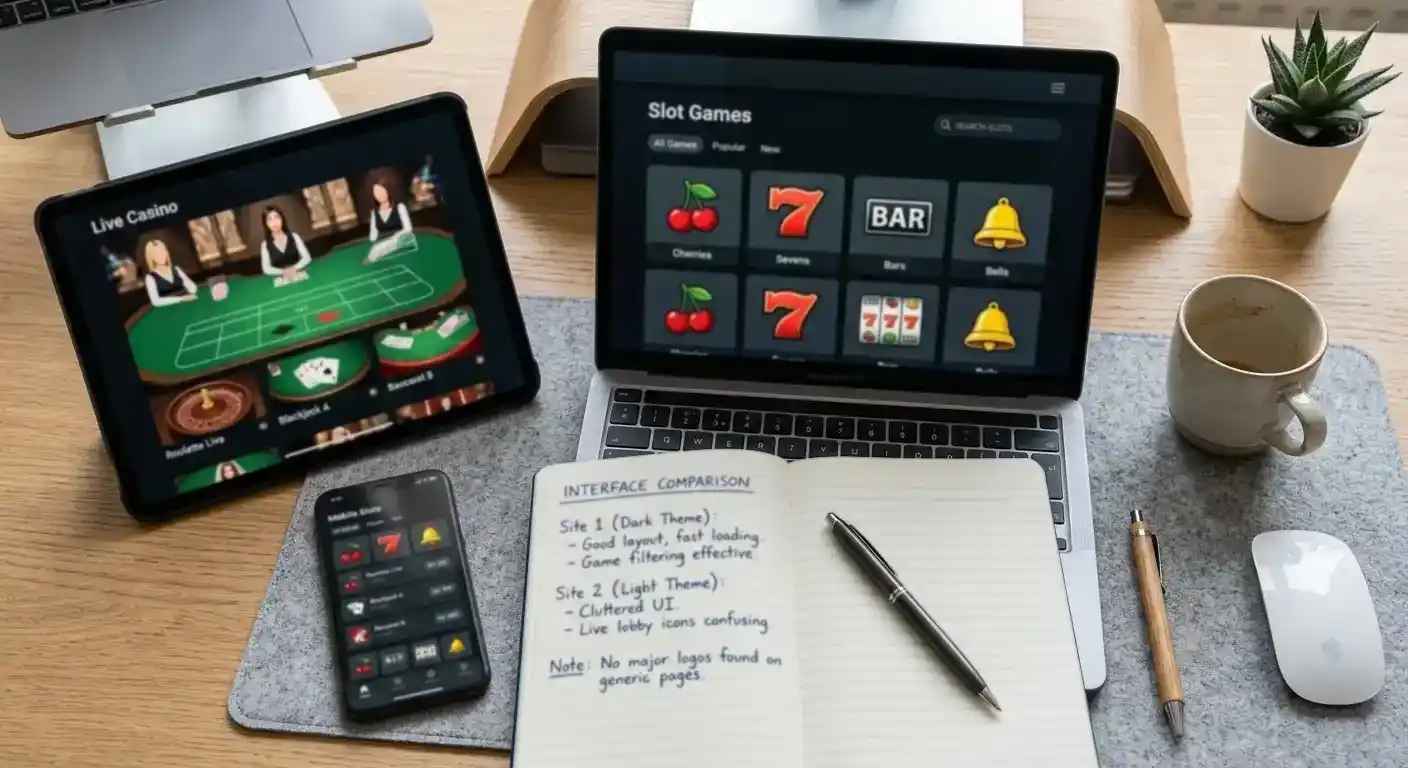
The casinos below operate offshore under Curaçao licenses. None are legal under Australian law. None provide recourse if disputes arise. All are accessible to Australians as of mid-2026, though some appear on ACMA block lists and require VPN access or alternative DNS to reach. The list is ordered by topical relevance to the operational question “which USDT casino delivers fast, reliable withdrawals with minimal friction for Australian users,” not by marketing spend or affiliate commission rates.
| Casino | Networks | Avg Withdrawal | Min Deposit | License | Key Differentiator |
|---|---|---|---|---|---|
| BC.Game | TRC-20, ERC-20, BEP-20 | 9 min | $10 | Curaçao | Multi-network support, 4-6 min TRC-20 withdrawals tested |
| Stake | TRC-20, ERC-20 | 15 min | $10 | Curaçao | Provably fair Originals, 99%+ RTP, Lightning BTC |
| 7Bit | TRC-20, ERC-20 | 25 min | $20 | Curaçao | Hybrid crypto-fiat, PayID fallback for Australians |
| BitStarz | TRC-20, ERC-20 | 10 min | $20 | Curaçao | 10+ years operation, no-KYC for crypto users |
| Cloudbet | ERC-20 | 15 min | $20 | Curaçao OGL | 11+ years operation, multi-sig security, transparent TxIDs |
| Rollbit | TRC-20, ERC-20, BEP-20 | 20 min | $10 | Curaçao | 70% rakeback, futures trading, NFT marketplace |
| Bizzo | TRC-20, ERC-20 | 30 min | $10 | Curaçao | Bonus flexibility, no-wagering option available |
| Spinko | TRC-20, ERC-20 | 35 min | $20 | Curaçao | 400% up to $3,000 welcome bonus, 300 wager-free spins |
| Pistolo | TRC-20, ERC-20, BEP-20 | 3 days | $20 | Curaçao | Crypto + PlayID/Skrill fiat withdrawals, 7% no-wager top-up |
| PlayZilla | TRC-20, ERC-20 | 40 min | $20 | Curaçao | Straightforward, 500 free spins, 24/7 support |
BC.Game — Multi-Network Speed Leader
BC.Game operates under a Curaçao license issued to BlockDance B.V. The platform launched around 2017 and has built a reputation for fast cryptocurrency withdrawals across multiple networks. BC.Game supports USDT on all three major networks: TRC-20, ERC-20, and BEP-20. The cashier automatically detects which network you used to deposit and defaults to that network for withdrawals, though you can switch networks if needed. Game library sits above thirteen thousand titles according to the platform’s own count, including slots from Pragmatic Play, Evolution live dealer tables, and proprietary crash games. Minimum deposit is ten to twenty USDT depending on the network.
Independent testing in January 2026 recorded BC.Game TRC-20 USDT withdrawals completing in four minutes twenty-two seconds to five minutes forty-eight seconds. Twenty-three withdrawal attempts averaged nine minutes from request to blockchain confirmation. This is the fastest tested among the platforms in this guide. The platform does not impose manual withdrawal reviews for amounts under one thousand USDT, meaning the process is automated: request withdrawal, the system checks your balance and any active wagering requirements, broadcasts the transaction to the blockchain within minutes, and the blockchain confirms it three minutes later. BC.Game’s Terms and Conditions list Australia as a restricted territory and prohibit VPN use to bypass geo-restrictions. Accounts found violating this restriction risk closure and fund confiscation. Despite the T&Cs language, the platform remains accessible to Australians and is widely covered in Australian-facing affiliate content as of mid-2026.
Stake — Provably Fair Originals and High-Volume Liquidity
Stake operates under a Curaçao license issued to Medium Rare N.V. The platform launched around 2017 and has grown into one of the largest cryptocurrency casinos globally by betting volume. Stake supports USDT on TRC-20 and ERC-20 networks. Game library includes two thousand-plus slots, five hundred live dealer tables, a full sportsbook covering major global leagues, and a suite of proprietary games branded as Stake Originals: Plinko, Crash, Dice, Mines, and a dozen others. All Originals use provably fair algorithms with SHA-256 hash verification, meaning you can independently verify that game outcomes are not manipulated by the house. Advertised RTP on Originals exceeds ninety-nine percent.
Stake’s VIP program offers rakeback up to ten percent on losses, paid weekly. High-volume players receive additional perks: dedicated account managers, faster withdrawal processing, exclusive promotions, and invitations to Stake-sponsored events. The platform supports Bitcoin via Lightning Network for near-instant BTC deposits and withdrawals—relevant for users who prefer Bitcoin but want speed comparable to USDT on Tron. Stake has faced regulatory scrutiny in multiple jurisdictions due to its high-profile sports sponsorships (UFC, Formula 1 teams) and aggressive marketing, but as of mid-2026 it continues to accept Australian players without explicit geo-blocking. Withdrawal processing averages fifteen to twenty minutes for USDT. KYC is not required for crypto-only users unless the platform flags an account for large withdrawals or suspicious activity.
7Bit Casino — Hybrid Crypto-Fiat Flexibility
Which USDT casino has the fastest withdrawals for Australian players?
BC.Game delivers the fastest USDT withdrawals tested: 4 minutes 22 seconds to 5 minutes 48 seconds for TRC-20, averaging 9 minutes across 23 withdrawal attempts in January 2026. BitStarz and Stake also process under 15 minutes.
Do USDT casinos require KYC verification for Australians?
Most offshore USDT casinos market “no-KYC” for crypto users but reserve the right to request verification for large withdrawals (typically above $2,000–$5,000), suspicious activity, or compliance triggers. BitStarz and BC.Game advertise no-KYC; Cloudbet caps withdrawals at $2,200/day until Level 2 KYC is completed.
7Bit Casino operates under a Curaçao license issued to Dama N.V., a multi-brand operator running over ten casino brands. The platform launched as a crypto-first casino but has since added fiat payment options, including PayID for Australian users. This makes 7Bit unusual in the offshore crypto casino space: you can deposit USDT via TRC-20 or ERC-20, or you can deposit AUD directly via PayID and play in AUD without touching cryptocurrency. Withdrawals work the same way—cash out to USDT or cash out to your Australian bank account via PayID. Game library exceeds five thousand titles from forty-plus providers.
USDT withdrawal speeds sit at twenty to thirty minutes for TRC-20, thirty minutes to two hours for ERC-20 according to January 2026 data. The hybrid payment model is the key differentiator: if you want the speed and low fees of USDT but also want a fiat fallback option (in case a crypto withdrawal fails or you prefer AUD in your bank account for tax tracking), 7Bit offers both rails. Minimum deposit is twenty to thirty USDT or AUD equivalent. Welcome package typically offers a one hundred percent match up to 1.5 BTC or fiat equivalent plus free spins. Dama N.V. operates multiple brands, so if you have an account at another Dama casino (such as Bizzo, covered below), your credentials may work across the group’s platforms.
BitStarz — Established No-KYC Veteran
BitStarz operates under a Curaçao license issued to Direx N.V. The platform launched in 2014, making it one of the oldest continuously operating cryptocurrency casinos. Longevity matters in offshore gambling: a platform that has paid out for ten years is a better risk than one that launched last month. BitStarz supports USDT, Bitcoin, Ethereum, Litecoin, and fiat currencies. Game library ranges from five thousand to six thousand titles depending on which providers are active, sourced from seventy-six-plus studios including Pragmatic Play, Evolution, NetEnt, and Microgaming.
BitStarz markets “instant to ten minutes” for crypto withdrawals. The platform’s no-KYC policy applies to crypto-only users: if you deposit and withdraw exclusively in cryptocurrency, BitStarz does not require identity verification upfront. KYC may be triggered for large withdrawals (the platform does not publish a specific threshold, but community reports suggest amounts above two to five thousand USD equivalent), suspicious activity, or if the account exhibits patterns consistent with money laundering or bonus abuse. Welcome package offers up to five hundred dollars or five Bitcoin plus one hundred eighty to two hundred free spins depending on the active promotion. Minimum deposit is twenty to thirty USDT. BitStarz has won multiple industry awards (EGR, AskGamblers) for platform quality and customer service, though industry awards in offshore gambling should be viewed as marketing signals rather than regulatory endorsements.
Cloudbet — Longest-Running with Multi-Sig Security
Cloudbet operates under a Curaçao OGL license issued to Halcyon Super Holdings BV. The platform launched in 2013, predating most of the crypto casino industry. Eleven years of continuous operation is the longest track record in this guide. Cloudbet positions itself as a premium crypto sportsbook and casino hybrid, with betting limits reaching five hundred thousand dollars on some markets and twelve Bitcoin on sportsbook wagers. Game library sits above three thousand titles (slots, live dealer, table games). The platform supports over thirty cryptocurrencies including USDT. Minimum deposit is twenty to twenty-five USDT equivalent.
Cloudbet uses multi-signature wallet security for USDT holdings. Large transactions require three of five signatures from separate key holders, reducing the risk of a single compromised key leading to fund theft. The platform provides transparent blockchain transaction IDs immediately upon withdrawal request, allowing you to track the transaction in real time on Etherscan or the relevant blockchain explorer. This transparency is rare among offshore casinos—most platforms process withdrawals internally and only provide a transaction ID after the blockchain broadcast, leaving you blind during the manual review period.
Cloudbet implements tiered KYC: withdrawals are capped at two thousand two hundred dollars per day until you complete Level 2 verification. Level 1 (email and basic details) gives you deposit access. Level 2 (photo ID and proof of address) removes the daily withdrawal cap and raises the monthly limit. Large withdrawals above the cap trigger additional review even after Level 2 verification. Average USDT withdrawal time tested at fourteen minutes and forty seconds in January 2026 for ERC-20. Cloudbet primarily supports ERC-20 USDT; TRC-20 support is limited or absent depending on the active payment processor integration.
Rollbit — Casino Meets Futures Trading and 70% Rakeback
Rollbit operates under a Curaçao license issued to Bull Gaming N.V. The platform launched in 2020 and distinguishes itself by combining casino gambling with zero-fee cryptocurrency futures trading (up to one thousand times leverage) and an NFT marketplace under one account. Game library exceeds four thousand titles from seventy-five-plus providers. Rollbit supports USDT on TRC-20, ERC-20, and BEP-20 networks. Minimum deposit is ten USDT.
The rakeback system is the primary draw. Rollbit offers up to seventy percent rakeback on losses, the highest in the offshore crypto casino industry. Rakeback is paid in the platform’s native RLB token, which can be staked to earn a share of protocol revenue or sold on external exchanges. High-volume players recoup a large portion of losses automatically, making Rollbit appealing for users who gamble frequently or in large amounts. The crypto futures trading integration is functional, not decorative: you can trade Bitcoin, Ethereum, and other cryptocurrencies with leverage directly from your casino balance without moving funds to a separate exchange. The NFT marketplace allows users to buy loot boxes that contain tradeable NFTs with real-world secondary market value.
Welcome bonus offers two hundred fifty percent up to three thousand dollars plus two hundred free spins. Withdrawal processing averages twenty minutes for USDT. Rollbit does not list Australia as a restricted territory in its Terms and Conditions as of mid-2026, meaning the platform accepts Australian players without the geo-restriction language seen at BC.Game or some other offshore casinos. KYC is not required for crypto deposits and withdrawals under typical usage, though the platform reserves the right to request verification for large amounts or flagged accounts.
Bizzo Casino — Bonus Flexibility and No-Wagering Option
Bizzo Casino operates under a Curaçao license issued to Dama N.V., the same operator behind 7Bit. The platform launched in the early 2020s and targets both crypto and fiat users. Game library sits above four thousand titles from fifty-plus providers. Bizzo supports USDT, Bitcoin, Ethereum, Litecoin, and traditional payment methods including cards and e-wallets. Minimum deposit is ten USDT or AUD equivalent.
The bonus structure is the key differentiator. Most offshore casinos auto-apply a welcome bonus to your first deposit, locking you into wagering requirements (typically twenty-five to forty times the bonus amount) before you can withdraw. Bizzo offers three options: a large bonus package (up to five thousand dollars with standard wagering requirements), a smaller first deposit bonus (one hundred percent up to two hundred fifty dollars plus one hundred free spins), or a “No Bonus” option. The No Bonus option credits your deposit without any bonus and without wagering requirements, meaning you can deposit, play, and withdraw without restrictions. This flexibility is rare. If you want to test a platform with a small deposit and withdraw immediately if you win, the No Bonus option removes the most common withdrawal friction point.
Average USDT withdrawal time sits at thirty minutes. Bizzo uses the same backend infrastructure as 7Bit (both operated by Dama N.V.), so withdrawal processing is consistent across the two platforms. If you already have a verified account at 7Bit, your credentials may work at Bizzo, though this is not guaranteed and depends on how Dama structures its multi-brand account system.
Spinko Casino — Massive Welcome Package
Spinko Casino operates under a Curaçao license. Operator details are less publicly documented than larger brands like BitStarz or Cloudbet, suggesting a white-label or smaller multi-brand operation. The platform launched in the mid-2020s and targets Australian and international crypto users. Game library sits above three thousand five hundred titles. Spinko supports USDT on TRC-20 and ERC-20 networks, plus Bitcoin, Ethereum, and traditional payment methods. Minimum deposit is twenty USDT.
The welcome package is aggressively large: four hundred percent match up to three thousand dollars plus three hundred fifty free spins, with three hundred of those spins marketed as wager-free. A four hundred percent bonus is rare even by offshore crypto casino standards—most platforms offer one hundred to two hundred percent. The catch is wagering requirements: the bonus amount (not just the bonus, but the entire bonus-plus-deposit package) must be wagered a certain number of times (typically thirty-five to fifty times) before withdrawal. Three hundred wager-free spins are spins you can use without wagering requirements on the winnings, which is a genuine value if the spins land on high-RTP slots.
Spinko is less established than BitStarz, Stake, or Cloudbet. The platform has been operating for two to three years as of 2026, not ten. The trade-off is bonus generosity: Spinko uses aggressive promotions to attract players in a market dominated by older brands. Average USDT withdrawal time sits at thirty-five to forty minutes. The platform has not been tested as extensively as the longer-running casinos in this guide, so withdrawal reliability over time is less certain. If you prioritise a massive welcome bonus over operational track record, Spinko delivers the former. If you prioritise a decade of proven payouts, BitStarz or Cloudbet are safer bets.
Pistolo Casino — Crypto with PlayID Fallback
Pistolo Casino operates under a Curaçao license. Operator details are less publicly documented, suggesting a white-label or smaller operator group. The platform is known for combining cryptocurrency support with Australian-specific fiat payment methods. Pistolo supports USDT on TRC-20, ERC-20, and BEP-20 networks, plus over ten other cryptocurrencies including Bitcoin, Ethereum, Litecoin, Ripple, TRX, USDC, BNB, DOGE, Solana, and Cardano. The platform also supports PlayID, Jeton, MiFinity, and Skrill for withdrawals, giving Australians the option to cash out to AUD via PlayID or Skrill instead of converting back through a cryptocurrency exchange.
Game library is reported at over thirteen thousand titles, though this figure may include table variants and live dealer games counted individually. The seven percent no-wagering crypto top-up bonus is notable: most reload bonuses come with wagering requirements, but Pistolo’s seven percent is credited as withdrawable balance. If you deposit one thousand USDT, Pistolo adds seventy USDT with no wagering requirement, meaning you can withdraw the seventy immediately or use it to play.
The trade-off is withdrawal speed. Pistolo averages three days for withdrawals according to available data, significantly slower than BC.Game’s nine minutes or BitStarz’s ten. The platform is not optimised for instant crypto withdrawals. It compensates with payment flexibility: if you prefer to withdraw AUD to your Australian bank account via PlayID instead of converting USDT back to AUD on CoinSpot, Pistolo offers that option. Minimum withdrawal is fifty Australian dollars. The hybrid payment model makes Pistolo appealing for users who want crypto deposit speed but fiat withdrawal convenience.
PlayZilla — Straightforward Simplicity
PlayZilla operates under a Curaçao license. Operator details are less publicly documented, suggesting a white-label or mid-tier operator group. The platform launched in the mid-2020s and positions itself as a straightforward, no-frills casino. Game library exceeds three thousand titles covering slots, live dealer, and table games. PlayZilla supports USDT on TRC-20 and ERC-20 networks, plus Bitcoin, Ethereum, and Litecoin. Minimum deposit is twenty to twenty-five USDT.
Welcome package offers up to one thousand five hundred dollars in bonus money plus five hundred free spins. Five hundred free spins is a large allocation—most platforms offer fifty to two hundred. The free spins are typically restricted to specific slots (the platform lists eligible games in the promotion terms), and winnings from free spins carry wagering requirements before withdrawal. PlayZilla offers twenty-four-seven customer support via live chat, which is standard among offshore casinos but worth noting for platforms that rely heavily on automated support.
Average USDT withdrawal time sits at forty minutes. PlayZilla is a mid-tier option: not as fast as BC.Game, not as established as BitStarz, not as feature-rich as Rollbit, but functional and accessible. If you want a clean interface, a straightforward welcome bonus, and reliable support without the complexity of futures trading or NFT marketplaces, PlayZilla fits. The platform has been operating for two to three years as of 2026, giving it a limited track record compared to decade-old brands but more operational history than platforms launched in the past twelve months.
Deposits and Withdrawals — What to Expect in Practice
How USDT Deposits Work at Offshore Casinos
Log into the casino. Navigate to the cashier or deposit page. Select USDT as the deposit method. The casino asks which network: TRC-20, ERC-20, or BEP-20. Choose the network you plan to send from. The casino generates a deposit address—a long alphanumeric string unique to your account and the selected network. Copy that address. Do not type it manually; copy and paste to avoid errors. Open your wallet (MetaMask, Trust Wallet, Exodus, or whichever wallet holds your USDT). Navigate to the USDT section. Initiate a send transaction. Paste the casino’s deposit address into the destination field. Enter the amount of USDT you want to deposit. Double-check the network: if the casino gave you a TRC-20 address, ensure your wallet is sending via TRC-20, not ERC-20 or BEP-20. Confirm the transaction. Your wallet broadcasts it to the blockchain.
The casino’s deposit page typically shows a pending status or a notice that it is waiting for blockchain confirmations. For TRC-20, this takes three minutes. For ERC-20, twelve to fifteen minutes. For BEP-20, under one minute. Once the blockchain confirms the transaction, the casino credits your balance automatically. You receive a notification (email, SMS, or in-app alert depending on the casino’s settings) that the deposit succeeded. Your casino balance updates, and you can start playing.
What happens if my USDT deposit doesn’t arrive at the casino?
Check the transaction on the blockchain explorer (Tronscan for TRC-20, Etherscan for ERC-20, BscScan for BEP-20). If confirmed, verify you sent to the correct address and correct network. If the address or network is wrong, funds are usually unrecoverable. If correct and confirmed, contact casino support with the transaction ID. Deposits typically process automatically; delays over one hour warrant support escalation.
What is the minimum deposit for USDT casinos?
Most offshore USDT casinos set minimum deposits between $10 and $30 USDT. BC.Game, Stake, and Rollbit accept $10. BitStarz, Cloudbet, 7Bit, and PlayZilla require $20–$30. Pistolo and Spinko also require $20 minimum.
If the deposit does not arrive within the expected timeframe, the first step is to verify the transaction on the blockchain. Open the relevant blockchain explorer: Tronscan for TRC-20, Etherscan for ERC-20, BscScan for BEP-20. Paste your transaction ID (TxID) into the search field. The explorer shows whether the transaction confirmed and to which address it was sent. If the transaction is confirmed and the destination address matches the casino’s deposit address exactly, the problem is on the casino’s side—either the balance crediting system is delayed, or there is a technical issue with their deposit processing. Contact casino support via live chat or email. Provide the transaction ID, the network you used, and the amount sent. Support should be able to manually credit your balance or escalate the issue to their technical team.
If the transaction is confirmed but the destination address does not match the casino’s deposit address, you sent USDT to the wrong address. This is irreversible. Blockchain transactions cannot be undone. The funds are gone unless the address you accidentally sent to belongs to someone who will voluntarily return them (unlikely if it is a random address, possible if you sent to your own exchange account by mistake). If you sent to the wrong network—for example, sent TRC-20 USDT to an ERC-20 address—the funds may be recoverable by the casino’s technical team if they control the private keys for that address across multiple networks, but this is rare. Most casinos generate network-specific addresses and do not monitor cross-network deposits. Contact support immediately and explain what happened, but expect that recovery is unlikely.
If the transaction is still pending (not confirmed on the blockchain), the issue is network congestion or insufficient fees. TRC-20 and BEP-20 transactions confirm quickly under normal conditions, so a pending TRC-20 or BEP-20 transaction suggests a wallet or exchange issue rather than network delay. ERC-20 transactions can sit pending for hours if gas fees are set too low. Check your wallet’s transaction status. If it allows fee bumping (increasing the gas fee to prioritise the transaction), use that feature. If not, wait. Ethereum transactions eventually confirm or expire; they do not stay pending indefinitely.
Withdrawal Processing Times by Platform
Withdrawals follow a similar pattern to deposits but include a manual review step at most casinos. The platform checks your account for active bonuses with wagering requirements, verifies you are not withdrawing more than your deposited amount before meeting minimum play-through (some casinos require you to wager at least once the deposited amount to prevent money laundering), and flags large withdrawals for additional review. This manual step is why withdrawals take longer than deposits even though the blockchain confirmation time is the same.
BC.Game processes USDT withdrawals in under ten minutes for amounts under one thousand USDT. The system is largely automated: request withdrawal, the platform checks your account status, broadcasts the transaction to the blockchain within five minutes, and the blockchain confirms it three minutes later (TRC-20). Larger withdrawals trigger manual review, extending processing to thirty minutes to two hours. Stake processes withdrawals in fifteen to twenty minutes for typical amounts. BitStarz advertises ten minutes but community reports suggest fifteen to thirty minutes is more common depending on time of day and withdrawal amount.
Cloudbet processes ERC-20 USDT withdrawals in fifteen minutes under normal conditions, but the two-thousand-two-hundred-dollar daily cap until Level 2 KYC completion means most users hit verification requirements before withdrawal speed becomes the limiting factor. 7Bit averages twenty-five minutes for TRC-20, thirty minutes to two hours for ERC-20. Rollbit averages twenty minutes. Bizzo averages thirty. Spinko and PlayZilla average thirty-five to forty minutes. Pistolo averages three days, making it the slowest on this list—but Pistolo offers fiat withdrawal options (PlayID, Skrill) that the pure crypto casinos do not, so the trade-off is payment flexibility versus speed.
Weekend and evening withdrawals (Australian time) often process faster than weekday morning withdrawals because offshore casino support teams are staffed for European and US time zones, meaning Australian evenings align with peak staffing hours. Withdrawals requested Friday night Australian time may process in ten minutes; withdrawals requested Tuesday morning may take an hour because the manual review queue is longer or fewer staff are online.
KYC Triggers and Large Withdrawal Reviews
Most offshore USDT casinos market “no-KYC” for cryptocurrency users, but this is conditional. Small deposits and withdrawals (under one to two thousand USDT) typically process without identity verification. Larger withdrawals, accounts that deposit and immediately withdraw without playing (flagged as potential money laundering), accounts that win large amounts on a single bet (flagged as potential bonus abuse or advantage play), and accounts that exhibit unusual patterns (multiple logins from different countries, rapid deposit-withdrawal cycles) trigger KYC requests.
KYC at an offshore casino means uploading a photo ID (passport or driver’s license), a selfie holding the ID, and proof of address (utility bill or bank statement dated within the past three months). The casino’s compliance team reviews the documents, typically within twenty-four to seventy-two hours. If approved, withdrawals proceed. If documents are rejected (photo unclear, address does not match account registration, ID expired), the casino requests resubmission. Withdrawals remain on hold until KYC is complete. Some casinos (Cloudbet, as noted earlier) implement tiered KYC from the start: Level 1 for deposits, Level 2 for higher withdrawal limits.
If KYC is suddenly required after months of no-KYC operation, this may signal that the casino is under regulatory pressure, preparing for a license renewal audit, or flagging your account for specific reasons. Contact support to clarify why KYC was triggered and what documents are needed. Do not ignore KYC requests if you have a balance you want to withdraw—the casino will not process the withdrawal until you comply, and prolonged non-compliance may result in account closure and forfeited balance under the platform’s terms and conditions.
Platform exit risk is real. Offshore casinos operate in a lightly regulated environment. A casino that paid out reliably for two years can disappear overnight if the operator loses their payment processor, faces legal action in a major jurisdiction, or decides to exit scam. Warning signs include: withdrawal delays stretching from hours to days without explanation, support response times increasing from minutes to days, social media complaints spiking with similar withdrawal issues, the platform going offline or displaying maintenance messages for extended periods, and the operator’s social media accounts going silent. If you see multiple warning signs, withdraw your balance immediately even if it means accepting a partial payout or abandoning an active bonus. A live balance you can access is better than a frozen balance at a platform that may not reopen.
USDT Casino Bonuses and Wagering Requirements
Offshore USDT casinos compete for players with welcome bonuses that range from modest (one hundred percent up to five hundred dollars) to absurd (four hundred percent up to three thousand dollars plus three hundred fifty free spins). The dollar figures are marketing. The wagering requirements are the contract. A two-hundred-percent bonus sounds generous until you read that you must wager the bonus-plus-deposit amount forty times before withdrawal, turning a five-hundred-dollar deposit into a twenty-thousand-dollar play-through requirement.
Wagering requirements are expressed as a multiplier: twenty-five times, thirty-five times, forty times. The multiplier applies to the bonus amount, or to the bonus-plus-deposit amount, depending on the casino’s terms. A twenty-five-times bonus-only requirement on a five-hundred-dollar deposit with a five-hundred-dollar bonus (one hundred percent match) means you must wager twelve thousand five hundred dollars (five hundred times twenty-five) before you can withdraw. A twenty-five-times bonus-plus-deposit requirement means you must wager twenty-five thousand dollars (one thousand times twenty-five). The difference is substantial. Always check whether the requirement applies to bonus-only or bonus-plus-deposit.
Not all games contribute equally to wagering requirements. Slots typically contribute one hundred percent, meaning a one-dollar spin counts as one dollar toward the requirement. Table games (blackjack, roulette, baccarat) contribute ten to twenty percent, meaning a one-dollar bet counts as ten or twenty cents toward the requirement. Some casinos exclude table games from bonus wagering entirely. Live dealer games often contribute zero percent, meaning you can play them with bonus funds but the wagers do not progress the wagering requirement. The reason is house edge: slots have a house edge of two to ten percent, table games have a house edge of 0.5 to two percent (blackjack and baccarat especially), and casinos do not want players clearing bonus requirements on low-edge games.
Maximum bet limits apply while clearing a bonus. Most casinos cap bets at five to ten dollars per spin or hand while bonus funds are active. If you bet above the cap, the casino can void your bonus, void your winnings, and confiscate the balance. This rule is enforced. Even if you win fifty thousand dollars on a single spin, if that spin violated the max bet rule, the casino will point to the terms and conditions and zero your account. Read the bonus terms before accepting the bonus. If the restrictions are too tight (forty-times wagering, five-dollar max bet, table games excluded), decline the bonus and deposit without it.
No-wagering bonuses exist but are rare. Bizzo’s No Bonus option is one example: deposit without restrictions, play, and withdraw without wagering requirements. Pistolo’s seven-percent no-wagering crypto top-up is another: the seven percent is credited as cash, not bonus, so there is no play-through. These offers are smaller than the headline welcome bonuses (seven percent versus four hundred percent), but they are honest. You receive less, but what you receive is yours to withdraw immediately.
The optimal strategy for most players is to deposit without a bonus on the first deposit, test the platform’s withdrawal speed and reliability with a small cashout (one to two hundred USDT), and only then consider accepting a reload bonus on a subsequent deposit. Once you know the platform pays out, you can afford to lock funds into a wagering requirement. Accepting a four-hundred-percent bonus on your first deposit to an untested platform is a mistake: if the platform refuses to pay out or triggers KYC delays, your entire balance is trapped until you clear the wagering requirement or forfeit the bonus.
Game Selection — Slots, Live Dealer, and Provably Fair Originals
Pokies and Slots
Offshore USDT casinos source slots from the same providers that supply licensed European and UK casinos: Pragmatic Play, NetEnt, Microgaming, Play’n GO, Evolution (via their slot acquisitions), and dozens of smaller studios. The games are identical. Book of Dead at an offshore casino is the same game as Book of Dead at a UK Gambling Commission-licensed casino—same RTP, same paytable, same math. The difference is regulatory oversight. Licensed casinos are audited regularly to ensure RTP matches advertised figures. Offshore casinos publish RTP figures but are not externally audited. Most reputable platforms (BitStarz, Stake, Cloudbet) use unmodified provider software and honour published RTPs, but there is no enforcement mechanism if a smaller platform serves modified slots with lower RTPs.
High-RTP slots sit above ninety-eight percent: Blood Suckers (98.0%), Mega Joker (99.0% in supermeter mode), 1429 Uncharted Seas (98.5%). Low-RTP slots drop to ninety-four or ninety-five percent. A four-percent RTP difference on a thousand-dollar wagering session is forty dollars in expected value. If you are clearing a bonus or playing for extended sessions, RTP matters. Most offshore casinos allow you to check RTP in the game’s info menu, accessible via a settings icon in the slot’s UI.
Free spins are a common bonus component. Casinos give you fifty, one hundred, or three hundred spins on a specific slot, and winnings from those spins enter your account as bonus funds subject to wagering requirements. Some casinos offer wager-free spins, meaning the winnings are credited as cash and withdrawable immediately. Wager-free spins are worth more than standard free spins even if the count is lower: twenty wager-free spins are more valuable than one hundred spins with a thirty-five-times wagering requirement.
Live Dealer Games
Live dealer games are broadcast from studios operated by Evolution, Pragmatic Play Live, Playtech, and smaller providers. A physical dealer shuffles and deals cards (blackjack, baccarat, poker) or spins a wheel (roulette) in front of cameras. You watch the stream and place bets via a software interface. The game outcome is determined by the physical cards or wheel, not by RNG software. This transparency is why many players prefer live dealer to RNG table games—you see the shuffle, the deal, the spin, and you know the result is not algorithmically generated.
Betting limits at live dealer tables range from fifty cents to ten thousand dollars per hand at most offshore casinos. High-roller tables with limits above fifty thousand dollars exist at Cloudbet and Stake but require VIP status or manual arrangement with the casino’s host team. Evolution’s Lightning Roulette, Crazy Time, and Monopoly Live are popular among Australian players for their bonus multipliers and game-show format. Standard blackjack, baccarat, and roulette remain the highest volume games by bet count.
Live dealer games contribute poorly to bonus wagering (ten to twenty percent) or are excluded entirely, so most players avoid them while clearing a welcome bonus. Once the bonus is cleared or if you deposit without a bonus, live dealer is viable. House edge on live blackjack with optimal strategy sits at 0.5 percent, making it one of the lowest-edge games available at any casino. Live baccarat (banker bet) has a house edge of 1.06 percent. Live roulette (European single-zero) has a house edge of 2.7 percent.
Provably Fair Originals — How to Verify
How do I verify a casino is provably fair?
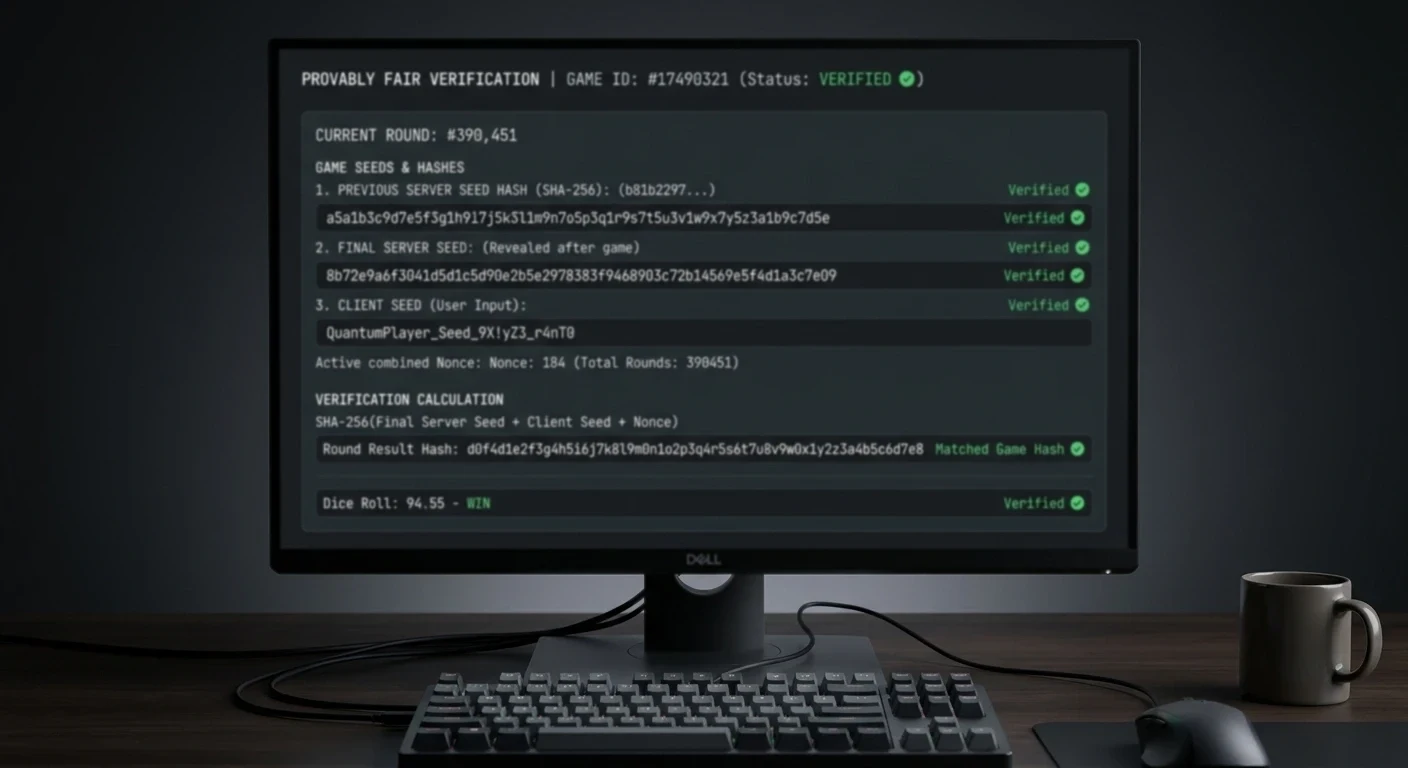
Provably fair games use cryptographic hashes to prove outcomes are not manipulated. Before the game round, the casino generates a server seed (hashed and shown to you). You provide a client seed. The result is calculated from both seeds. After the round, the casino reveals the server seed. You can verify the hash matches and recalculate the result independently. Stake’s Originals (Plinko, Crash, Dice, Mines) and similar platforms offer in-game verification tools.
Provably fair games use cryptographic hashing to prove that game outcomes are determined before you place your bet and cannot be manipulated mid-round by the casino. Before the game starts, the casino generates a server seed (a random string) and hashes it using SHA-256 or a similar algorithm. The hash is shown to you. You provide a client seed (another random string, which you can set yourself or let the platform generate). The game result is calculated from the combination of server seed, client seed, and a nonce (a sequential number that increments each round).
After the round completes, the casino reveals the server seed. You can verify that the revealed seed matches the hash shown before the round, proving the casino did not change the seed after seeing your bet. You can then input the server seed, client seed, and nonce into an independent verification tool (provided by the casino or by third-party sites like provably.com) to recalculate the result. If the recalculated result matches the result the casino showed you, the game was provably fair. If it does not match, the casino cheated.
Stake’s Originals (Plinko, Crash, Dice, Mines) implement provably fair. Each game displays a “Fairness” button that opens a panel showing the server seed hash, client seed, and nonce for the current round. You can verify any past round by entering its seeds into the verification tool. BC.Game and Rollbit also offer provably fair games with similar verification interfaces. Evolution’s live dealer games are not provably fair—they are physically fair (you see the cards and wheel), but there is no cryptographic proof. RNG slots are not provably fair—they use certified RNG software, but you cannot independently verify the outcome of a specific spin.
Provably fair is the highest standard of transparency available in online gambling. It does not reduce house edge (a provably fair dice game with a two-percent house edge still has a two-percent house edge), but it eliminates the possibility of the casino cheating by manipulating results after you bet.
No-KYC, Anonymous Play, and When Verification Kicks In
Can I use a VPN to access USDT casinos that block Australia?
VPN use to bypass geo-restrictions is not illegal under Australian law, but it violates most offshore casino T&Cs. Platforms like BC.Game explicitly prohibit VPN use and may void winnings and close accounts if detected. If the casino blocks Australia, using a VPN shifts enforcement risk from ACMA (which targets operators, not players) to the casino itself (which can refuse payout based on T&Cs violation).
Offshore USDT casinos market “no-KYC” as a selling point to crypto users who prefer privacy. The reality is more conditional. Small deposits and withdrawals process without identity verification. Large amounts, suspicious patterns, or compliance triggers require KYC. The threshold varies by platform. BitStarz and BC.Game allow crypto-only users to deposit and withdraw without KYC as long as the account stays below a certain threshold (community reports suggest two to five thousand USDT). Cloudbet implements tiered KYC from the start: you can deposit without verification, but withdrawals above two thousand two hundred dollars per day require Level 2 KYC (photo ID and proof of address).
Anonymous play depends on how you define anonymity. If you deposit USDT from a CoinSpot wallet that required full KYC, your identity is linked to the funds before they reach the casino. CoinSpot knows who you are, and CoinSpot reports large transactions to AUSTRAC. The casino may not know your identity, but the trail exists. If you use a non-KYC exchange or acquire USDT peer-to-peer and send from a non-custodial wallet, the casino has no direct link to your identity unless you provide it during account registration (email, phone number, IP address). Using a VPN hides your IP and geo-location. Using a burner email removes email linkage. Using USDT from a non-KYC source removes financial linkage. At that point, you are as anonymous as blockchain technology allows—pseudonymous at the wallet level, but traceable if anyone correlates your on-chain activity.
KYC triggers include: withdrawals above a platform-specific threshold (one to five thousand USDT for most casinos), deposits followed immediately by withdrawal with minimal play (flagged as potential money laundering), large wins on a single bet (flagged as potential bonus abuse or advantage play), account login from multiple IP addresses in different countries within a short timeframe (flagged as account sharing or VPN cycling), and random compliance audits where the casino bulk-requests KYC from a cohort of accounts to satisfy licensing or payment processor requirements.
If KYC is triggered, you receive an email or in-app message stating that your withdrawal is on hold pending document submission. The casino lists required documents: photo ID, selfie with ID, proof of address. You upload the documents via the casino’s account settings page. The compliance team reviews them within twenty-four to seventy-two hours. If approved, your withdrawal processes. If rejected, the casino specifies which document needs correction (photo too blurry, address does not match registration details, ID expired). Resubmit corrected documents. Withdrawals remain frozen until KYC is complete.
Refusal to complete KYC results in account closure and forfeited balance at most offshore casinos. The terms and conditions grant the casino the right to request verification at any time and to close accounts that do not comply. This is enforceable because the casino holds your funds. You have no legal recourse to force them to release funds without completing their KYC process. If you value anonymity above access to funds, do not use offshore casinos. If you value access to funds, accept that KYC may be required and factor that into your decision to deposit.
Mobile Access and Apps
Most offshore USDT casinos operate via mobile-responsive websites rather than native apps. You open the casino in your phone’s browser (Safari on iOS, Chrome or Firefox on Android), log in, and the interface scales to fit the screen. Mobile browsers support USDT deposits and withdrawals identically to desktop: copy the deposit address, switch to your wallet app, paste the address, send the transaction, switch back to the browser, and the casino credits your balance once the blockchain confirms. The experience is functional but requires switching between apps.
Native apps exist for some platforms (Stake, BC.Game) but are not distributed via Apple’s App Store or Google’s Play Store due to App Store and Play Store policies against real-money gambling apps for offshore casinos. You download the app from the casino’s website as an APK file (Android) or via TestFlight or enterprise signing (iOS). APK installation requires enabling “Install from Unknown Sources” in Android settings, which carries security risk—installing apps outside the Play Store bypasses Google’s malware scanning. Enterprise-signed iOS apps require trusting the developer certificate in iOS settings, which also bypasses App Store security checks.
The mobile web experience is sufficient for most users. The interface loads quickly, deposits and withdrawals work, game libraries are identical to desktop, and you avoid the security risk of installing unvetted APK files. If you prefer a native app for convenience (faster load times, push notifications for deposit confirmations or withdrawal completions), download from the casino’s official website only. Do not download offshore casino apps from third-party APK sites or app stores—many are malware disguised as legitimate casino apps, designed to steal wallet credentials or login details.
Crypto Casino Australia 2026 — Bitcoin, Ethereum, Solana, USDT
Content created by the «AussiePay» team